

Learning to Live with Climate Change - Practical Emotional Guide
Learning to Live with Climate Change - Practical Emotional Guide
Price subject to change. Tap below for current.
Couldn't load pickup availability
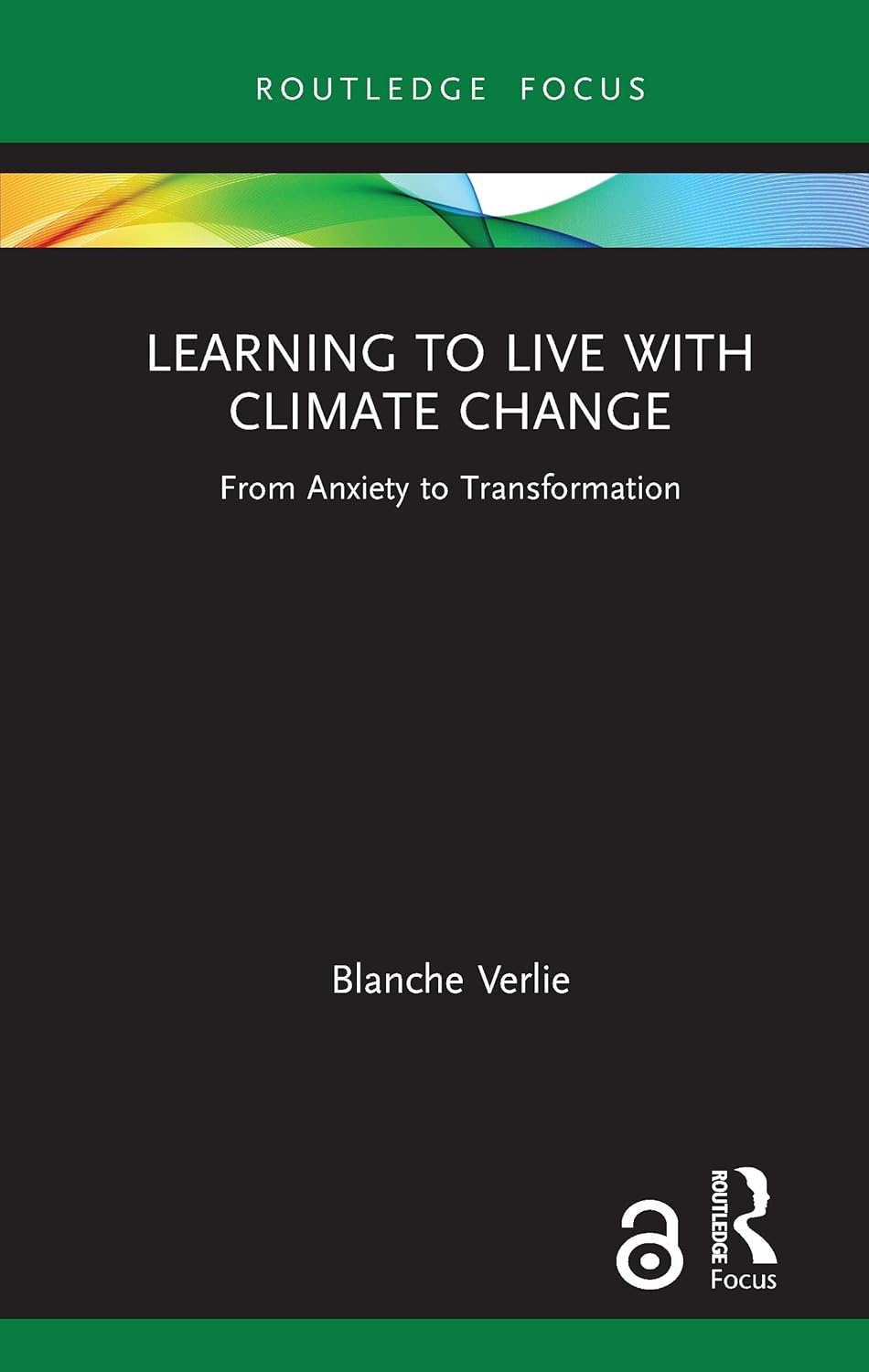
Our review of Learning to Live with Climate Change finds it most valuable for readers who want a thoughtful, humane approach to ecological distress; the book's single biggest strength is its focus on emotions as social and political resources rather than private problems. Blanche Verlie frames climate anxiety through feminist and more-than-human theory, offering accessible ways to cultivate emotional capacities and to think relationally about living with climate change. This review highlights why the book works as a reflective guide for students, educators and practitioners seeking constructive responses to climate grief.
Key Features
- Theoretical framing: Draws on feminist, more-than-human and affect theory to reframe emotions as a basis for social transformation rather than pathology.
- Practical strategies: Offers approaches for engaging with climate anxiety that can be used in educational settings and community conversations.
- Contextual case studies: Engages directly with the 2019/2020 Black Summer bushfires and smoke to ground abstract ideas in lived events.
- Focus on relationality: Encourages readers to appreciate interconnections between human lives and the climate, helping to shift thinking from individual blame to collective responsibility.
- Student-oriented insight: Includes reflections on undergraduate experiences that make the book useful for teachers and campus programmes addressing ecological distress.
Who It's For
Learning to Live with Climate Change is well suited to climate educators, social scientists, counsellors and engaged students who want conceptual tools for discussing emotional responses to environmental crisis. Academics who teach modules on environment and sustainability will find the blend of theory and examples helpful for classroom discussion.
Readers looking for a handbook of technical climate solutions or a purely scientific account of climate processes should look elsewhere; this book is focused on cultural, interpersonal and emotional dimensions rather than emissions data or engineering fixes.
Pros & Cons
Pros
- Provides a clear, compassionate framework for understanding climate anxiety as socially embedded rather than solely individual.
- Uses concrete events like the Black Summer bushfires to illustrate how emotions and environments interact.
- Bridges theory and practice, making it usable by educators and community facilitators.
Cons
- The book is oriented toward theory and lived experience, so readers seeking technical mitigation strategies may find its scope limited.
Specifications
| Title | Learning to Live with Climate Change |
| Series | Routledge Focus on Environment and Sustainability |
| Author | Blanche Verlie |
| Subject focus | Climate emotions, affect theory, more-than-human approaches |
| Case studies | Australia's 2019/2020 Black Summer bushfires and smoke |
| Audience | Students, educators, social researchers |
Our Verdict
For anyone interested in the emotional and cultural dimensions of the climate crisis, Learning to Live with Climate Change is a thoughtful, compact resource that connects theory to lived experience and educational practice. It is good value for readers who want to address climate anxiety constructively and to use emotional awareness as a lever for social change.
Frequently Asked Questions
Does this book offer practical classroom activities?
The book provides strategies and examples aimed at educators, but it is not a step-by-step activities manual.
Is the book focused on scientific climate data?
No, the emphasis is on emotions, culture and social responses rather than technical climate science.
Does it cover recent Australian fire events?
Yes, it engages with the 2019/2020 Black Summer bushfires and smoke as a central case study.
Editor's Take
Learning to Live with Climate Change is a thoughtful resource for educators and students that reframes climate anxiety as socially embedded and offers strategies for using emotional awareness to support social transformation.

Recently viewed
Recently viewed products will appear here as customers browse the store.