

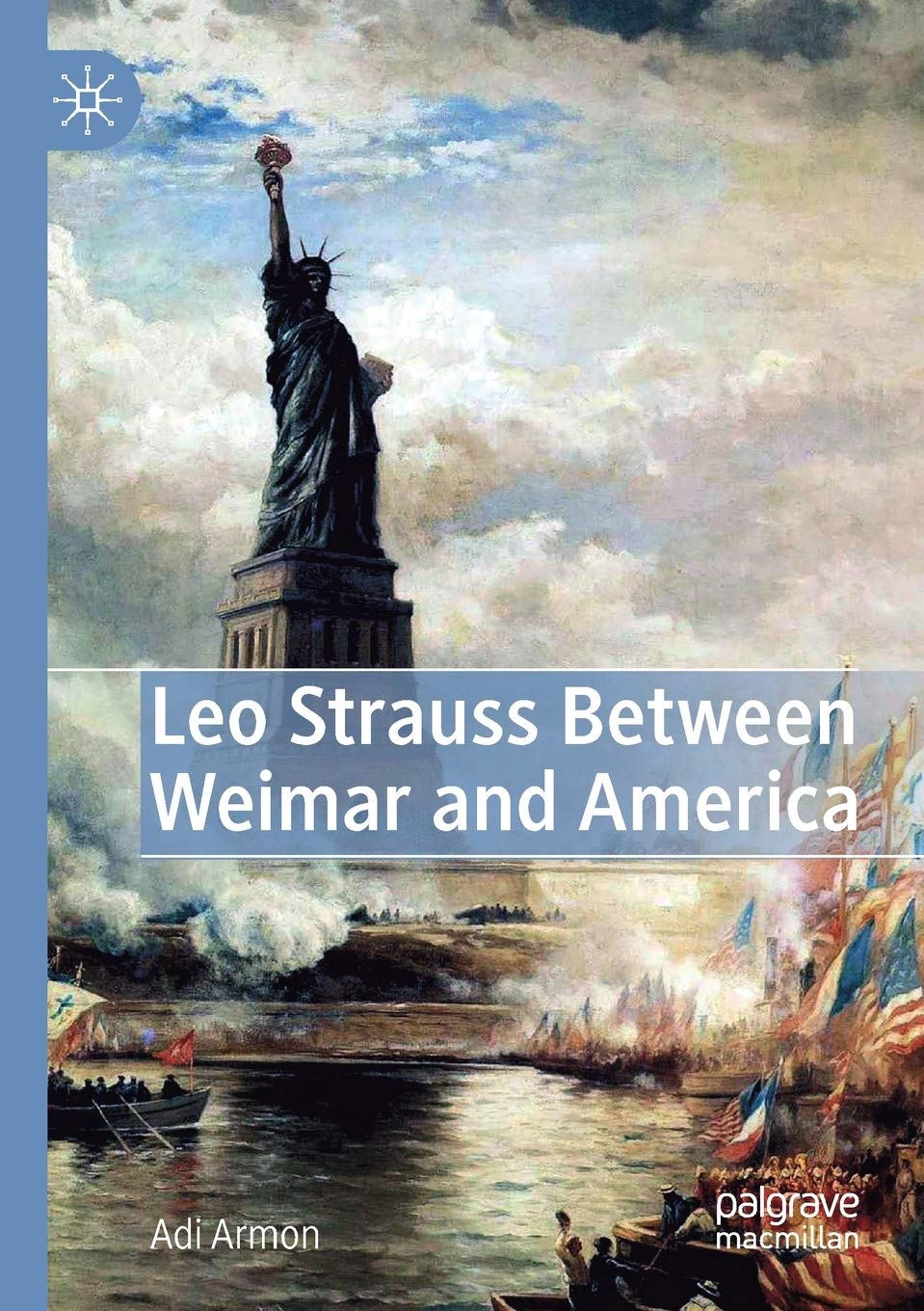
Leo Strauss Between Weimar and America - Scholarly Intellectual
Leo Strauss Between Weimar and America - Scholarly Intellectual
Price subject to change. Tap below for current.
Couldn't load pickup availability
In this review of Leo Strauss Between Weimar and America, the reviewer finds a rigorous, archival study best suited to scholars and serious readers of 20th century political thought. Adi Armon traces how Strauss's immigration to the United States reshaped his intellectual trajectory, drawing on unpublished University of Chicago seminars to illuminate continuities and changes from the Weimar Republic to the Cold War era. The book's close readings and contextual framing make it valuable for those interested in Straussian interpretation and intellectual history rather than casual readers seeking a general biography.
Key Features
- Archival seminar analysis: The book uses unpublished seminars Strauss taught at the University of Chicago in the 1950s and 1960s to reveal previously unseen aspects of his teaching and argumentation, which helps readers reassess his later works.
- Weimar context: Armon reconstructs the intellectual environment of the Weimar Republic to show which elements of Strauss's worldview were formed before immigration, providing historical depth to his ideas.
- Focus on Marx: The narrative highlights the centrality of Karl Marx to Strauss's intellectual biography, offering a focused lens on a major influence throughout his career.
- Cold War framing: By situating Strauss's later writings against the Cold War backdrop, the book clarifies how geopolitical context shaped his concerns and reception in the United States.
- Comparative interpretation: The study weaves close reading with interpretation of Strauss's later published works, helping readers connect seminar material to his public intellectual output.
Who It's For
This book is aimed at graduate students, scholars of political theory, and historians of ideas who want a careful, source-based account of Strauss's transition from Weimar intellectual circles to the American academy. Its value lies in archival detail and interpretive depth rather than broad popular appeal.
Readers looking for a short, popular biography or an introductory overview of Strauss's entire life should look elsewhere; this work presumes familiarity with Strauss's main texts and with debates in 20th century political thought.
Pros & Cons
Pros
- Rich use of unpublished University of Chicago seminars adds primary-source weight to the study.
- Clear tracing of the Weimar intellectual background helps explain continuities in Strauss's thought.
- Focused examination of Marx's role offers a new angle on Strauss's intellectual biography.
Cons
- The specialized, scholarly tone and detailed close readings make it less accessible to general readers seeking an overview.
Specifications
| Title | Leo Strauss Between Weimar and America |
| Author | Adi Armon |
| Contributors | Michelle Bubis (brand listed) |
| Subject | Intellectual history, political theory, Strauss studies |
| Primary sources used | Unpublished University of Chicago seminars (1950s-1960s) |
| Period focus | Weimar Republic to Cold War era |
Our Verdict
Leo Strauss Between Weimar and America is a careful, archival study that rewards readers who want to rethink Strauss through unpublished seminars and Cold War context. Scholars and advanced students will find it excellent value for its source material and focused interpretation, while casual readers may find its depth and specialist tone challenging.
Frequently Asked Questions
Does this book rely on new archival material?
Yes. Armon draws heavily on unpublished seminars Strauss taught at the University of Chicago in the 1950s and 1960s to illuminate his teaching and thought.
Is this a general biography of Leo Strauss?
No. The work is a focused intellectual biography that emphasizes the transition from Strauss's Weimar background to his American period and assumes familiarity with his writings.
Who contributed to the edition?
The book is authored by Adi Armon, with Michelle Bubis listed as a contributing brand figure in the product source information.
Editor's Take
A careful, archival study that reframes Strauss through unpublished seminars and Cold War context; ideal for scholars and advanced students seeking a rigorous intellectual biography.

Recently viewed
Recently viewed products will appear here as customers browse the store.