

Lesson Study-based Teacher Education - Practical Guide for Educators
Lesson Study-based Teacher Education - Practical Guide for Educators
Price subject to change. Tap below for current.
Couldn't load pickup availability
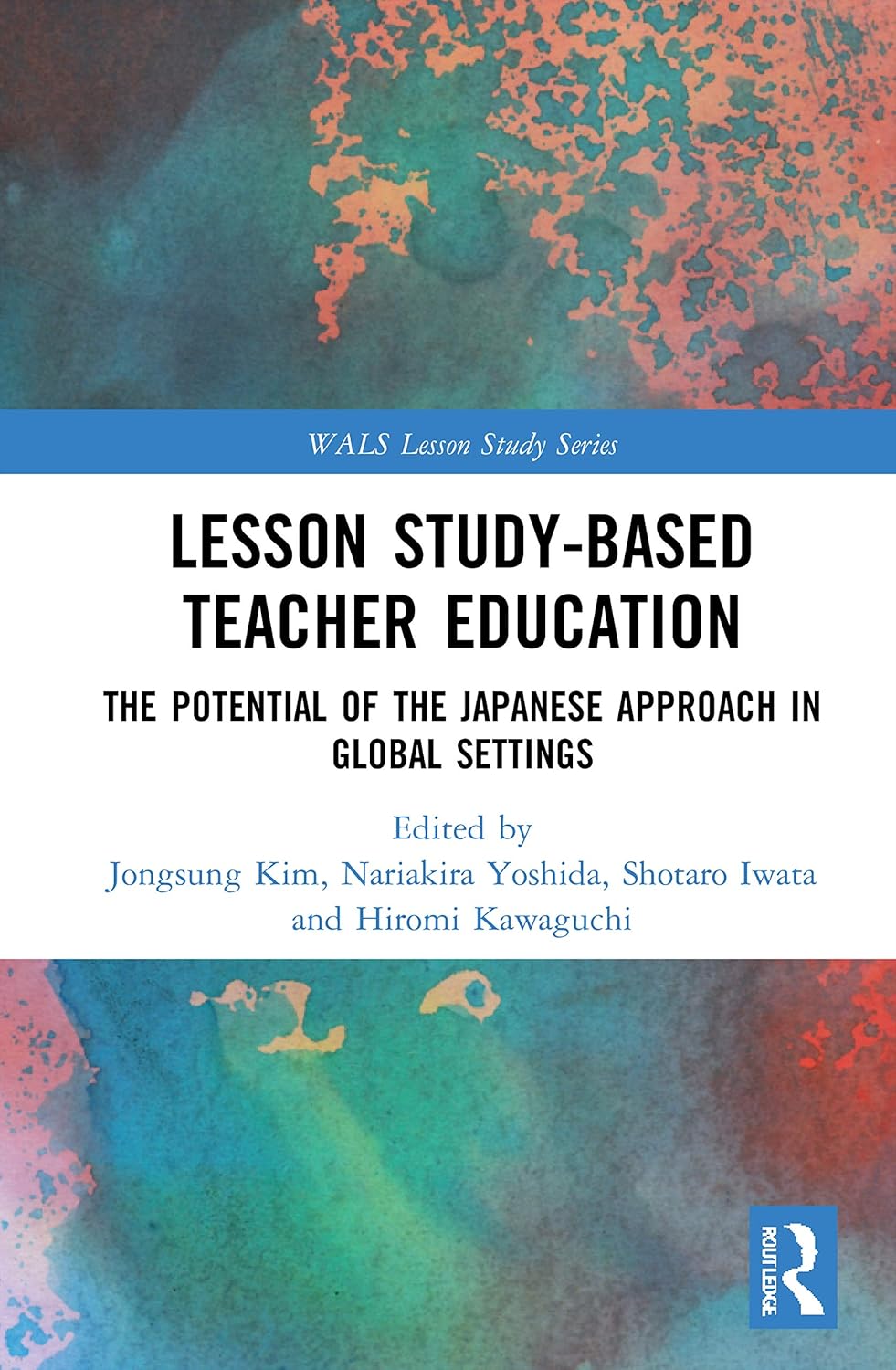
In this review of Lesson Study-based Teacher Education, the bottom line is clear: this edited volume is for teacher educators, researchers, and policy makers who want a grounded bridge between Japanese Jugyou Kenkyuu and international Lesson Study practice. The book's greatest strength is its dual perspective, offering two reflective "mirrors" that connect classroom-focused research to teacher preparation and professional community development. Readers looking for practical classroom lesson plans will find less of that here; instead, the volume is strongest as a conceptual and program-level resource for rethinking teacher education.
Key Features
- Dual-mirror structure: Offers two complementary perspectives that help readers reflect on implementing Lesson Study within different teacher education systems.
- Focus on Jugyou Kenkyuu: Clarifies the original Japanese meanings of instruction and study so readers better understand the cultural roots of Lesson Study.
- Teacher professionalism emphasis: Explores how Lesson Study supports teacher ownership and professional growth rather than prescribing top-down reforms.
- Student learning dialogue: Highlights classroom dialogue practices that center student learning as the goal of lesson research.
- Community and collaboration: Examines structures for teacher collaboration and professional community in Japanese contexts that can inform adaptations elsewhere.
Who It's For
This book is best for university teacher educators, in-service professional development leaders, and educational researchers who need a thoughtful, research-informed account of how Lesson Study functions within Japanese teacher education. It is particularly useful for those seeking to adapt principles of teacher collaboration and lesson-focused inquiry to systemic teacher preparation.
Practicing classroom teachers who want step-by-step lesson plans or short how-to guides may find the content more conceptual than directly actionable. Readers expecting a manual or quick classroom templates should look for supplementary practitioner texts alongside this volume.
Pros & Cons
Pros
- Deep contextualization of Jugyou Kenkyuu helps prevent misinterpretation when exporting Lesson Study ideas internationally.
- Clear attention to teacher ownership and professional community makes it useful for program designers and researchers.
- Balanced edited perspectives provide both theoretical and practical discussion useful for reflective implementation.
Cons
- Not a quick practical guide; the focus on system-level and conceptual issues means fewer ready-made classroom resources.
Specifications
| Title | Lesson Study-based Teacher Education |
| Series | WALS-Routledge Lesson Study Series |
| Editors/Authors | Jongsung Kim, Nariakira Yoshida, Shotaro Iwata, Hiromi Kawaguchi |
| Primary focus | Lesson Study and Jugyou Kenkyuu in teacher education |
| Targets | Teacher education, teacher professional community, student learning |
| Content type | Edited volume with reflective sections |
Our Verdict
Lesson Study-based Teacher Education is a valuable, well-structured edited volume for those designing or researching teacher education programs who need a faithful account of how Lesson Study functions in Japan. It offers excellent conceptual clarity and program-level insight, making it good value for educators committed to building sustained teacher collaboration and learning-focused practice.
Frequently Asked Questions
Does this book explain the original Japanese term Jugyou Kenkyuu?
Yes. The volume clarifies Jugyou (lesson) and Kenkyuu (study/research) to help bridge cultural and conceptual gaps.
Is it a practical classroom lesson handbook?
No. The book emphasizes teacher education systems and reflective implementation rather than providing ready-made classroom lesson plans.
Who edited this volume?
The book is edited by Jongsung Kim, Nariakira Yoshida, Shotaro Iwata, and Hiromi Kawaguchi.
Editor's Take
A thoughtful edited volume for teacher educators and researchers, offering clear linkage between Japanese Jugyou Kenkyuu and international Lesson Study practice; best for program designers rather than teachers seeking quick classroom templates.

Recently viewed
Recently viewed products will appear here as customers browse the store.