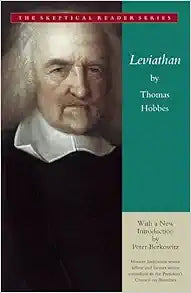
Leviathan by Skeptical Reader: A Deep Dive into Power
Leviathan by Skeptical Reader: A Deep Dive into Power
Price subject to change. Tap below for current.
Couldn't load pickup availability
Leviathan by Skeptical Reader is a profound exploration of the nature of society and governance. This seminal work delves into the intricate relationship between the individual and the state, presenting a compelling argument for the necessity of a strong central authority. The author, Thomas Hobbes, articulates his views on the social contract and the implications of human nature on political structures.
In Leviathan, Hobbes posits that in the absence of a powerful sovereign, life would be 'solitary, poor, nasty, brutish, and short.' This stark depiction of human existence underlines the importance of a governing body to maintain order and prevent chaos. The text is not merely a political treatise; it is a philosophical inquiry into the essence of human behavior and the foundations of civil society.
The book is divided into several parts, each addressing different aspects of human interaction and governance. The first part discusses the nature of man, emphasizing the role of fear and self-preservation in shaping human actions. Hobbes argues that these primal instincts drive individuals to seek peace and security through the establishment of a commonwealth.
One of the most striking features of Leviathan is its vivid imagery. Hobbes uses the metaphor of the Leviathan, a biblical sea monster, to represent the state. This powerful symbol encapsulates the idea that a strong, centralized authority is essential for the survival of society. The Leviathan is not just a creature of fear; it is a necessary construct for ensuring the safety and well-being of its citizens.
As the narrative unfolds, Hobbes delves into the concept of sovereignty, arguing that absolute power is required to maintain peace and prevent conflict. He challenges the notion of divine right and advocates for a social contract where individuals relinquish certain freedoms in exchange for protection and stability. This revolutionary idea laid the groundwork for modern political thought and continues to resonate in contemporary discussions about governance.
Leviathan is also notable for its exploration of religion and its role in society. Hobbes contends that religious authority should be subordinate to civil authority, a radical stance for his time. He argues that the state must have the ultimate say in matters of faith to prevent discord and maintain unity among its people.
In conclusion, Leviathan by Skeptical Reader is an essential read for anyone interested in political philosophy, sociology, or history. Its insights into the nature of power, human behavior, and the structure of society are as relevant today as they were in the 17th century. This edition not only preserves Hobbes' original text but also provides valuable commentary and context, making it a vital addition to any library.
Share