

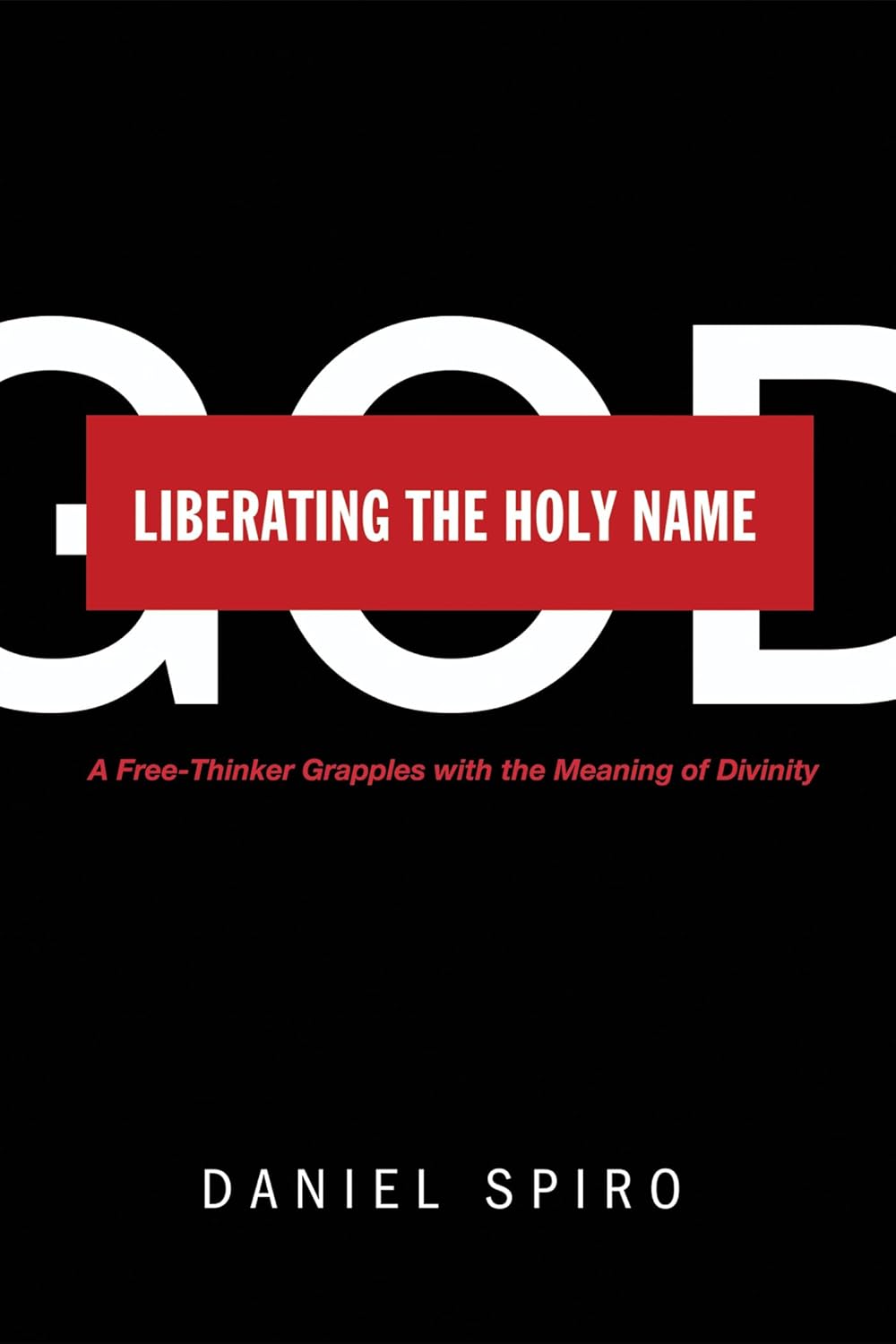
Liberating the Holy Name: A Free-Thinker Grapples with Divinity
Liberating the Holy Name: A Free-Thinker Grapples with Divinity
Price subject to change. Tap below for current.
Couldn't load pickup availability
In this review of Liberating the Holy Name Daniel Spiro offers a thoughtful, nonpartisan book for readers who want a fresh way to talk about God beyond doctrine. The bottom line: this work is best for thoughtful skeptics, religious seekers, and students of comparative theology because it reframes divinity as a concept accessible in the third person, second person, and first person, rather than insisting on a single supernatural definition. The book reads like a personal intellectual journey and provides the clearest single reason to read it: it challenges the monopoly on meaning both atheists and fundamentalists often assume.
Key Features
- Personal narrative: The author draws on a Jewish-atheist upbringing and exposure to Orthodox Judaism to make his arguments relatable and grounded in experience.
- Comparative scope: The book surveys modern Jewish philosophy, Christian theology, and Islam to show how different traditions inform a broader understanding of divinity.
- Theological originality: Spiro presents a threefold approach where God can be conceived in the third person, embraced in the second person, and recognized in the first person, offering a usable framework for readers.
- Civil discourse: The tone resists polemic, encouraging conversation between skeptics and believers rather than sharpening divisions.
- Accessible prose: The narrative voice makes complex philosophical and theological ideas readable for nonacademics interested in meaning and belief.
Who It's For
This book is ideal for readers curious about theology without commitment to a confessional stance: atheists seeking to understand religious language, believers open to reinterpreting tradition, and students of religion who want a succinct, personal account of how theology can be reframed. It works well as a discussion text for reading groups that include mixed viewpoints.
Those looking for a technical textbook, a denominational catechism, or a devotional manual should look elsewhere, since the emphasis is on conceptual exploration and personal narrative rather than liturgical practice or systematic dogma.
Pros & Cons
Pros
- Engaging personal history that grounds abstract ideas in lived experience.
- Clear comparative treatment across Jewish, Christian, and Islamic thought that broadens perspective.
- Original conceptual framework (third, second, first person) that readers can apply in reflection and dialogue.
Cons
- The book prioritizes synthesis and reflection over exhaustive scholarly citation, which some academic readers may find limiting.
Specifications
| Title | Liberating the Holy Name: A Free-Thinker Grapples with the Meaning of Divinity |
| Author | Daniel Spiro |
| Genre | Religion & Spirituality |
| Approach | Comparative theology and personal memoir |
| Key themes | Jewish philosophy, Christian theology, Islam, conceptions of God |
| Intended audience | Skeptics, seekers, students of religion |
Our Verdict
Daniel Spiro delivers a compact, thoughtful book for readers who want to move past entrenched definitions of God; its comparative sweep and personal honesty make it good value for anyone seeking a balanced, original framework for discussing divinity rather than a confessional tract.
Frequently Asked Questions
Does the author come from a religious background?
Yes. Spiro draws on a Jewish-atheist upbringing and later exposure to Orthodox Judaism as key elements of his intellectual journey.
Is this book academic or personal?
It blends both: the book surveys theological traditions but is written as a personal, accessible reflection rather than a heavily footnoted academic monograph.
Will this help religious and nonreligious readers converse?
Yes. The book is explicitly framed to challenge exclusive claims about the meaning of God and to encourage constructive dialogue between different viewpoints.
Editor's Take
Daniel Spiro offers a reflective, comparative book that reframes divinity in three modes; recommended for skeptics and seekers who want a balanced, original framework rather than a confessional tract.

Recently viewed
Recently viewed products will appear here as customers browse the store.