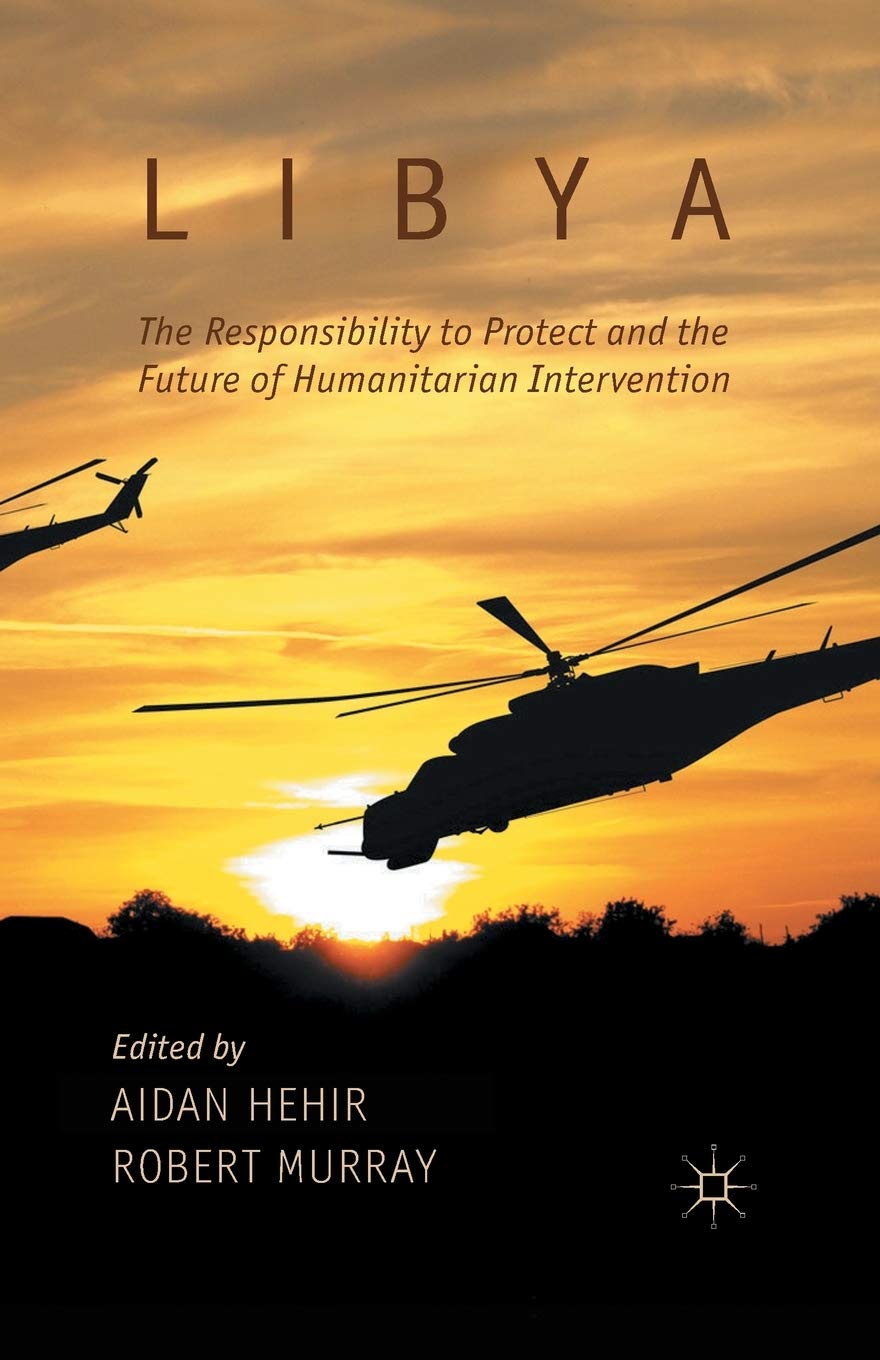
Libya and the Responsibility to Protect in Humanitarian Action
Libya and the Responsibility to Protect in Humanitarian Action
Price subject to change. Tap below for current.
Couldn't load pickup availability
The book Libya, the Responsibility to Protect offers a comprehensive analysis of the humanitarian intervention in Libya. It delves into the complexities surrounding the concept of the Responsibility to Protect (R2P) and its implications for international law and ethics. The authors, A. Hehir and R. Murray, provide a critical examination of the events leading up to the intervention, highlighting the moral and political dilemmas faced by the international community.
One of the key themes explored in this work is the effectiveness of the Responsibility to Protect doctrine. The authors argue that while R2P was designed to prevent atrocities, its application in Libya raises questions about the consistency and motives behind humanitarian interventions. This book is essential for understanding the evolving nature of international relations and the role of global governance in crisis situations.
Hehir and Murray also discuss the aftermath of the intervention, analyzing the challenges that Libya faced post-intervention. The authors emphasize the importance of a coherent strategy for rebuilding and stabilizing nations after military interventions, which is often overlooked in discussions about humanitarian intervention.
In addition to the historical context, the book examines the legal frameworks that govern humanitarian actions. The authors provide insights into how international law intersects with the principles of human rights and state sovereignty, making it a vital read for scholars and practitioners alike.
Throughout the text, the authors utilize case studies and empirical data to support their arguments, making the book not only informative but also engaging. The narrative is enriched with perspectives from various stakeholders involved in the intervention, providing a well-rounded view of the complexities involved in military interventions.
Moreover, the book addresses the criticisms of the R2P doctrine, particularly regarding its selective application and the potential for misuse. Hehir and Murray argue for a more nuanced understanding of humanitarian intervention that takes into account the geopolitical realities and the need for accountability in international actions.
In conclusion, Libya, the Responsibility to Protect is a thought-provoking exploration of one of the most significant humanitarian interventions of the 21st century. It challenges readers to reconsider the principles of intervention and the responsibilities of the international community in protecting vulnerable populations. This book is a must-read for anyone interested in international relations, humanitarian law, and the future of global governance.
Share