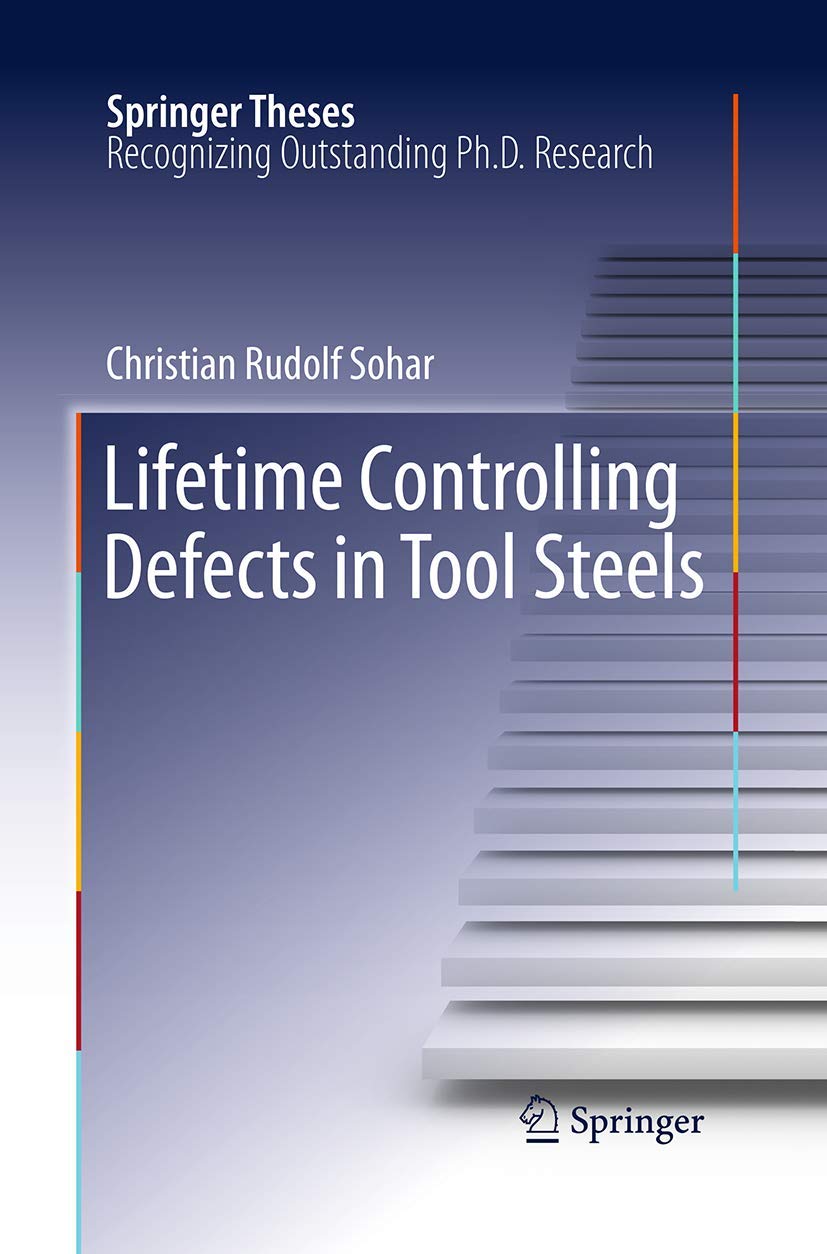
Lifetime Controlling Defects in Tool Steels: A Comprehensive Guide
Lifetime Controlling Defects in Tool Steels: A Comprehensive Guide
Price subject to change. Tap below for current.
Couldn't load pickup availability
The book Lifetime Controlling Defects in Tool Steels by Christian Rudolf Sohar provides an in-depth analysis of the various defects that can occur in tool steels over their lifetime. This comprehensive guide is essential for professionals in the metallurgy and materials science fields, offering insights into defect formation and prevention.
One of the key highlights of this book is its focus on defect characterization. The author meticulously details the types of defects that can arise during the manufacturing process, including inclusions, voids, and cracks. Understanding these defects is crucial for improving the quality and performance of tool steels.
The text also delves into the mechanisms of defect formation, providing readers with a solid foundation in the physical and chemical processes that lead to these issues. By grasping these mechanisms, engineers and researchers can develop strategies to mitigate defects and enhance the durability of tool steels.
In addition to theoretical insights, the book includes practical applications and case studies that illustrate the real-world implications of defects in tool steels. These examples serve to reinforce the importance of quality control in manufacturing processes, highlighting how defects can impact tool performance and lifespan.
Another significant aspect of this work is its discussion on advanced testing methods for detecting defects. The author presents various techniques, including non-destructive testing and microstructural analysis, which are vital for assessing the integrity of tool steels. These methods are essential for ensuring that tools meet the rigorous demands of industrial applications.
The book also emphasizes the role of heat treatment in controlling defects. Sohar explains how different heat treatment processes can influence the microstructure of tool steels, ultimately affecting their mechanical properties. This information is invaluable for metallurgists looking to optimize their heat treatment protocols.
Furthermore, the author addresses the future of tool steel development, discussing emerging trends and technologies that could revolutionize the industry. This forward-looking perspective is particularly beneficial for researchers and industry professionals who aim to stay ahead of the curve in materials science.
Overall, Lifetime Controlling Defects in Tool Steels is a must-read for anyone involved in the production or application of tool steels. With its thorough exploration of defect management and prevention strategies, this book serves as a vital resource for enhancing the performance and reliability of tools in various industrial settings.
Share