

Linked Data: Storing, Querying, and Reasoning - Practical
Linked Data: Storing, Querying, and Reasoning - Practical
Price subject to change. Tap below for current.
Couldn't load pickup availability
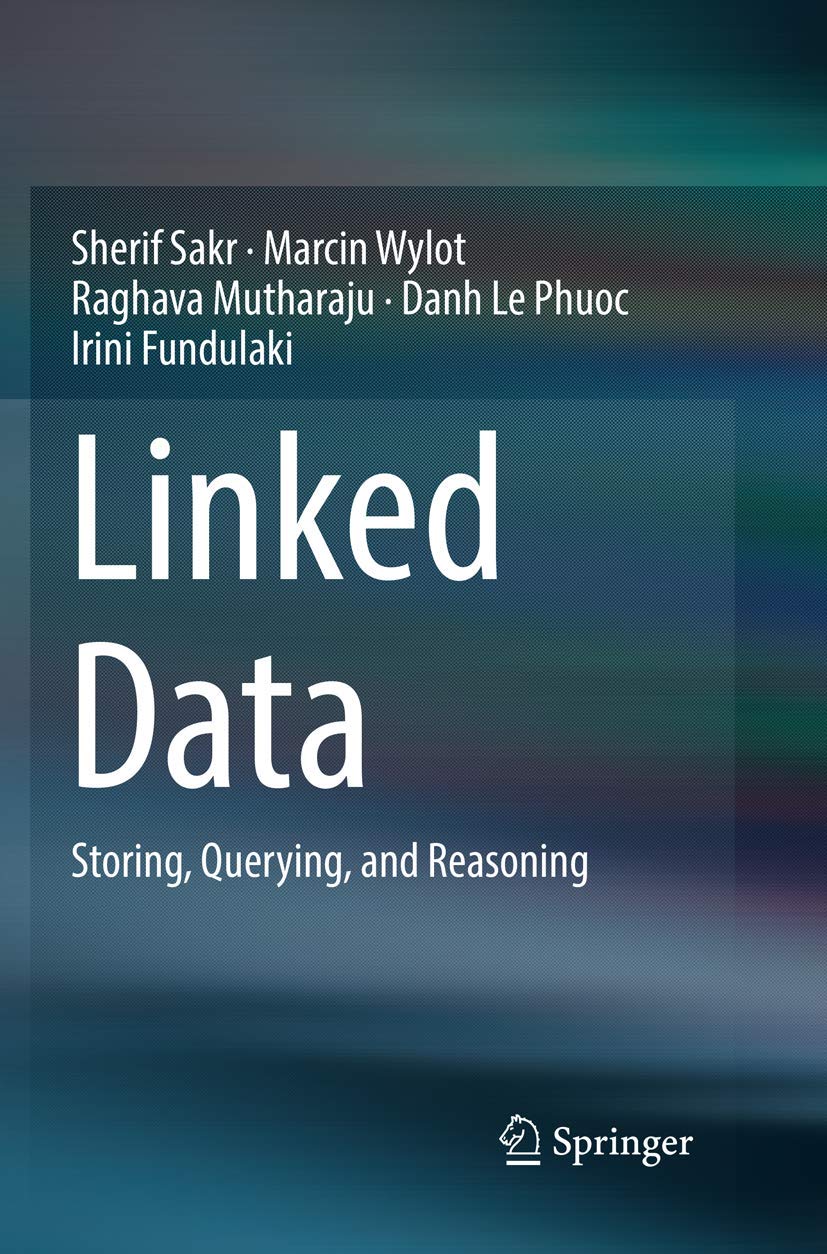
In this review of Linked Data: Storing, Querying, and Reasoning, the authors present a focused treatment of techniques needed to manage and exploit Linked Data at scale. The book is aimed at researchers, advanced practitioners and graduate students who need a compact, technical guide to core approaches for storing RDF, executing queries over large datasets, and adding reasoning and provenance support. The single biggest reason to consider this book is its practical roadmap across storage, distributed querying and streaming concerns that brings together methods and systems in one coherent reference.
Key Features
- Comprehensive roadmap: Chapter 1 frames the main concepts of the Semantic Web and Linked Data so readers understand where each technique fits in the overall landscape.
- Foundational concepts: Early chapters present the basic concepts underpinning Linked Data technologies to bring readers up to speed before diving into systems.
- Centralized querying overview: A chapter dedicated to techniques and systems for centrally querying RDF datasets helps practitioners compare tradeoffs for single-node deployments.
- Distributed querying focus: The discussion of efficient querying for large RDF datasets in distributed environments highlights approaches suited to scale-out scenarios.
- Streaming and real-time concerns: Coverage of streaming requirements explains how current work addresses time-sensitive Linked Data processing.
- Reasoning and provenance: The book treats reasoning and provenance management alongside storage and querying to support trustworthy, semantically enriched results.
Who It's For
This book suits graduate students, academic researchers and experienced engineers working on Semantic Web, knowledge graph management or data integration who need a concise, technical guide that ties together storage, querying and reasoning techniques. It is particularly useful for teams evaluating systems for centralized versus distributed RDF processing and for those designing pipelines that include streaming and provenance.
Readers looking for a tutorial for beginners or a high-level business primer should look elsewhere; the treatment assumes familiarity with core database and RDF concepts and is not a step-by-step introduction for absolute newcomers.
Pros & Cons
Pros
- Pulls multiple aspects of Linked Data management into one place, making comparisons between storage, querying and reasoning straightforward.
- Balances foundational background with system-level discussion so readers can connect concepts to real implementations.
- Includes focused chapters on distributed querying and streaming, which are essential for large-scale RDF work.
Cons
- Not written as a beginner tutorial; prior familiarity with Semantic Web concepts is assumed.
Specifications
| Title | Linked Data: Storing, Querying, and Reasoning |
| Authors / Editors | Sherif Sakr, Marcin Wylot, Raghava Mutharaju, Danh Le Phuoc, Irini Fundulaki |
| Scope | Storage, querying, reasoning, provenance and benchmarking for Linked Data |
| Key topics | Semantic Web concepts, RDF querying, distributed processing, streaming |
| Intended audience | Researchers, graduate students, experienced practitioners |
| Structure | Chapter-based roadmap with focused system and technique overviews |
Our Verdict
Linked Data: Storing, Querying, and Reasoning is a compact, technically minded reference that brings together storage, querying, reasoning and provenance topics for readers already comfortable with RDF and Semantic Web basics. It delivers good value for researchers and engineers who must evaluate or design systems for both centralized and large-scale distributed Linked Data processing, though newcomers will need supplementary introductory material.
Frequently Asked Questions
Does this book cover distributed RDF querying?
Yes. One chapter explicitly outlines techniques and systems for efficiently querying large RDF datasets in distributed environments.
Is this a beginner-friendly introduction?
No. The book assumes familiarity with Semantic Web concepts and is best for graduate-level readers or experienced practitioners.
Does it address streaming and provenance?
Yes. The book explores streaming requirements and discusses provenance management alongside reasoning and benchmarking.
Editor's Take
A compact, technically focused reference that ties storage, querying, reasoning and provenance for Linked Data; ideal for researchers and engineers, but not for beginners.

Recently viewed
Recently viewed products will appear here as customers browse the store.