

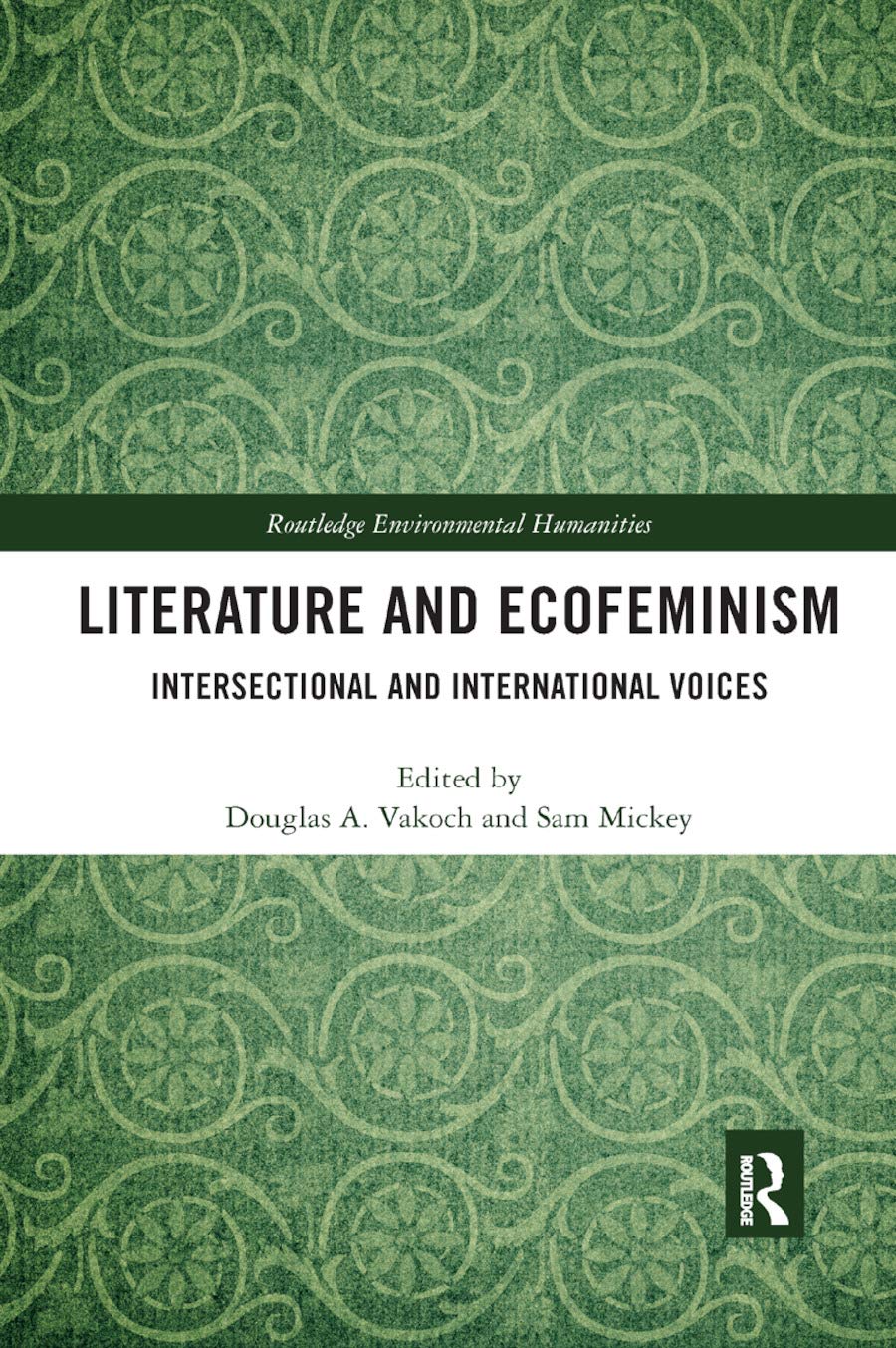
Literature and Ecofeminism: Intersectional and International Voices
Literature and Ecofeminism: Intersectional and International Voices
Price subject to change. Tap below for current.
Couldn't load pickup availability
In this review of Literature and Ecofeminism: Intersectional and International Voices, the bottom line is clear: this edited volume is essential for readers who want a rigorous, literary pathway into ecofeminist thought. The book brings together essays that link gender, sexuality, embodiment and the natural world across a wide span of texts and cultures, making it especially valuable for graduate students, instructors and scholars seeking rich case studies and theoretical dialogue. Its strength is the international range of contributors and the way literary close readings illuminate ecological and feminist concerns.
Key Features
- Intersectional approach: Essays explicitly connect gender, sexuality and ecology to show how ecofeminist frameworks deepen literary interpretation.
- International scope: Contributions draw on American, Spanish, South African, Taiwanese and Indian literature to broaden comparative perspectives.
- Historical range: Chapters span from Shakespeare to contemporary authors, offering long-view readings that trace evolving environmental themes.
- Academic rigor: The collection assembles scholarly essays suitable for classroom use and advanced research, providing citation-rich analysis.
- Dialogic structure: Multiple voices engage ecofeminism and ecocriticism in conversation, making the book a resource for interdisciplinary debate.
Who It's For
Literature and Ecofeminism is best for graduate students, university instructors and researchers in literary studies, environmental humanities or gender studies who want focused essays that pair theory with textual analysis. The volume is also useful as a secondary text in seminars that examine the intersections of literature and environmental thought, particularly when instructors want comparative and international case studies.
Readers looking for a brief primer or a single-author monograph with a unified argument should look elsewhere; this edited collection prioritizes diverse perspectives and close readings over a single sustained theoretical manifesto.
Pros & Cons
Pros
- Wide geographic and linguistic coverage provides comparative insights seldom found in single-region collections.
- Strong pairing of ecofeminist theory with literary close reading makes essays useful for classroom discussion and citation.
- Historical breadth from Shakespeare to contemporary literature helps trace the durability of ecological themes in gendered contexts.
Cons
- As an edited volume, the collection can feel uneven in tone and depth between chapters, which may challenge readers seeking a single, cohesive narrative.
Specifications
| Title | Literature and Ecofeminism: Intersectional and International Voices |
| Editors | Douglas A. Vakoch, Sam Mickey |
| Subject | Ecofeminism and ecocriticism in literature |
| Geographic focus | American, Spanish, South African, Taiwanese, Indian literature |
| Historical range | Shakespeare through contemporary literature |
| Publisher series | Routledge Environmental Humanities |
Our Verdict
For scholars and instructors seeking rigorous, internationally minded essays that bridge ecofeminism and literary criticism, this volume is a strong value. Its comparative reach and sustained textual work make it especially useful for graduate courses and research reading lists, even if the edited nature means readers should expect variation across chapters.
Frequently Asked Questions
Does this book focus only on American literature?
The collection includes American texts but deliberately spans Spanish, South African, Taiwanese and Indian literature to provide an international perspective.
Is the book suitable for undergraduate courses?
Yes for upper-level undergraduates in literature or environmental humanities, though instructors may pair chapters with introductory materials on ecofeminism for wider accessibility.
Who edited this volume?
The book is edited by Douglas A. Vakoch and Sam Mickey and is part of the Routledge Environmental Humanities series.
Editor's Take
This edited volume is recommended for scholars and instructors who want rigorous, internationally ranged essays that connect ecofeminism with literary close readings; it offers strong comparative value despite some chapter variation.

Recently viewed
Recently viewed products will appear here as customers browse the store.