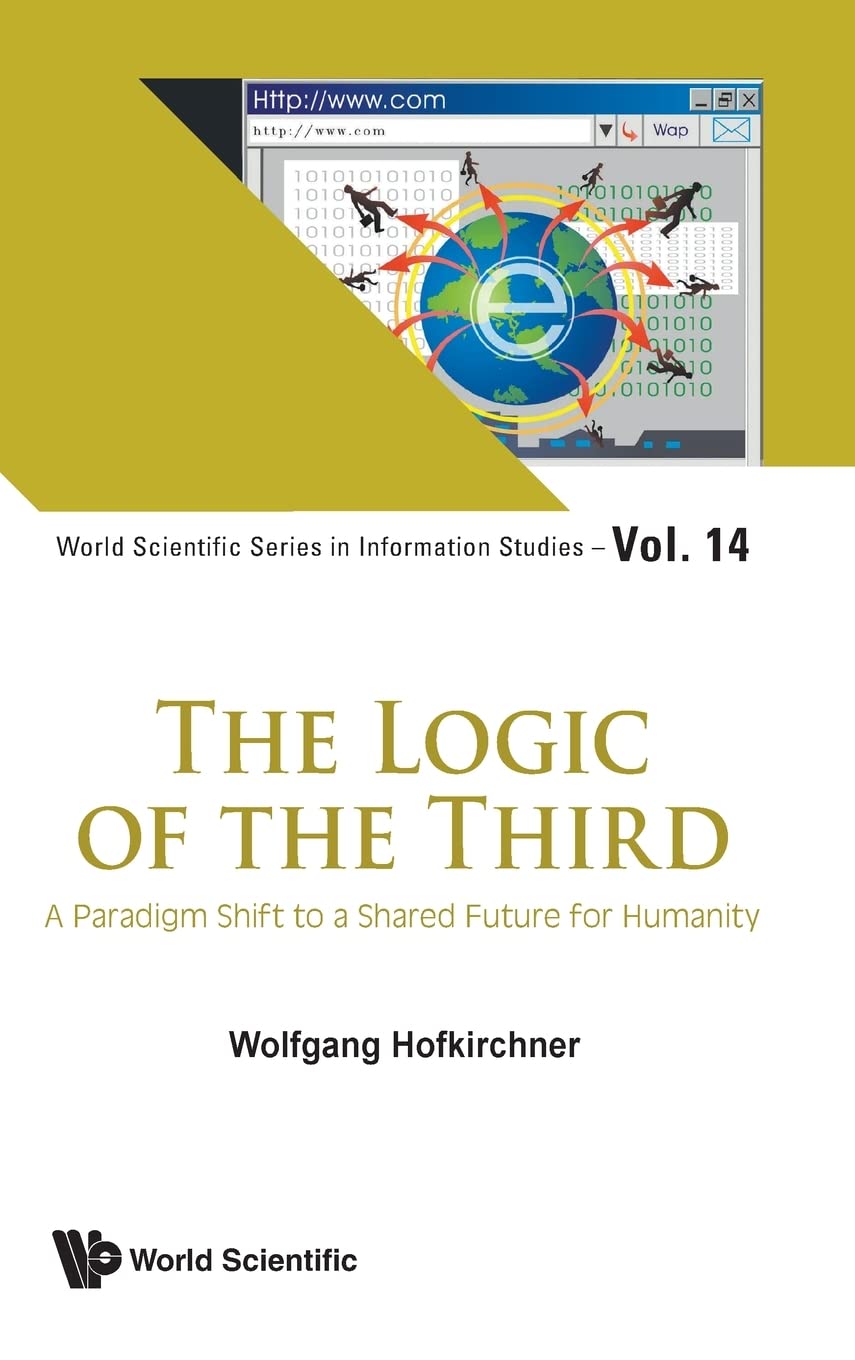
Logic Of The Third: A Paradigm Shift For Humanity's Future
Logic Of The Third: A Paradigm Shift For Humanity's Future
Price subject to change. Tap below for current.
Couldn't load pickup availability
The book Logic Of The Third by Wolfgang Hofkirchner presents a transformative perspective on our collective future. It delves into the concept of a shared future for humanity, emphasizing the importance of collaboration and understanding in a rapidly changing world. This paradigm shift is not just theoretical; it offers practical insights that can be applied to various fields, including sociology, technology, and environmental studies.
In this enlightening read, Hofkirchner explores the idea of a shared future through the lens of information studies. He argues that the way we process information and interact with one another is crucial for fostering a sense of community and cooperation. By understanding the dynamics of our interconnectedness, we can pave the way for a more harmonious existence.
The author introduces the concept of the third logic, which serves as a framework for navigating complex social issues. This logic encourages readers to think beyond binary oppositions and embrace a more holistic approach to problem-solving. It challenges traditional paradigms and invites us to consider alternative viewpoints, ultimately leading to more inclusive solutions.
One of the standout features of Logic Of The Third is its interdisciplinary approach. Hofkirchner draws from various fields, including philosophy, sociology, and technology, to create a comprehensive understanding of the challenges we face today. This makes the book not only informative but also relevant to a wide audience, from academics to policymakers.
Furthermore, the book emphasizes the role of information technology in shaping our future. Hofkirchner discusses how advancements in technology can either bridge gaps or widen divides, depending on how we choose to utilize them. By advocating for a responsible and ethical approach to technology, he encourages readers to consider the implications of their actions in the digital age.
Throughout the book, Hofkirchner provides numerous examples and case studies that illustrate the principles he discusses. These real-world applications make the theoretical concepts more accessible and relatable. Readers will find themselves inspired to think critically about their own roles in creating a better future.
In conclusion, Logic Of The Third is a thought-provoking exploration of humanity's potential for collaboration and growth. It challenges us to rethink our approaches to social issues and encourages a shift towards a more inclusive and cooperative future. This book is a must-read for anyone interested in understanding the complexities of our modern world and the possibilities that lie ahead.
Share