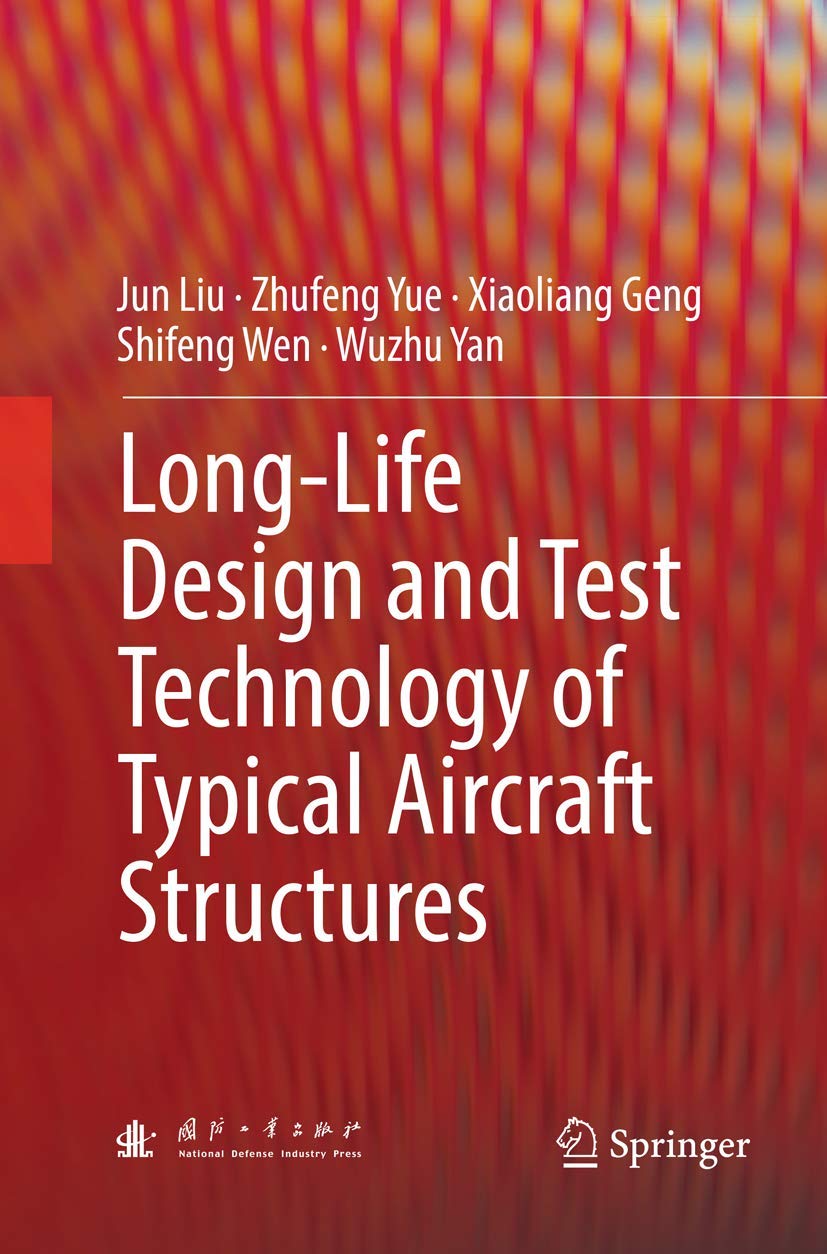
Long-Life Design and Test Technology for Aircraft Structures
Long-Life Design and Test Technology for Aircraft Structures
Price subject to change. Tap below for current.
Couldn't load pickup availability
The Long-Life Design and Test Technology of typical aircraft structures is an essential resource for engineers and researchers in the aerospace industry. This comprehensive guide delves into the methodologies and innovations that enhance the durability and performance of aircraft components. With contributions from experts like Jun Liu and Zhufeng Yue, this book provides a wealth of knowledge on the subject.
One of the standout features of this book is its focus on advanced testing techniques that ensure the reliability of aircraft structures. The authors present a variety of case studies that illustrate how these techniques can be applied in real-world scenarios. Readers will gain insights into the latest advancements in testing technology, which are crucial for maintaining safety standards in aviation.
Furthermore, the text emphasizes the importance of material selection in the design process. The authors discuss how different materials can impact the longevity and performance of aircraft structures. This section is particularly valuable for those involved in the design phase, as it highlights the trade-offs between weight, strength, and durability.
Another key aspect covered in this book is the integration of computer-aided design (CAD) tools in the development of aircraft structures. The authors explain how these tools can streamline the design process, allowing for more efficient testing and validation of new designs. This integration is vital for modern aerospace engineering, where precision and efficiency are paramount.
The book also addresses the challenges faced in the field, such as environmental factors and their effects on aircraft longevity. The authors provide strategies for mitigating these risks, ensuring that engineers are well-equipped to handle the complexities of modern aircraft design. The discussion on environmental impact is particularly relevant as the industry moves towards more sustainable practices.
In addition to theoretical knowledge, the book includes practical applications and examples that demonstrate the implementation of these technologies in real aircraft. This hands-on approach makes it an invaluable resource for both students and professionals looking to deepen their understanding of aircraft structure testing.
Overall, the Long-Life Design and Test Technology of typical aircraft structures is a must-have for anyone involved in aerospace engineering. Its thorough exploration of design principles, testing methodologies, and material science makes it a comprehensive guide that will serve as a reference for years to come. Whether you are a seasoned engineer or a student entering the field, this book will enhance your knowledge and skills in aircraft structure design.
Share