

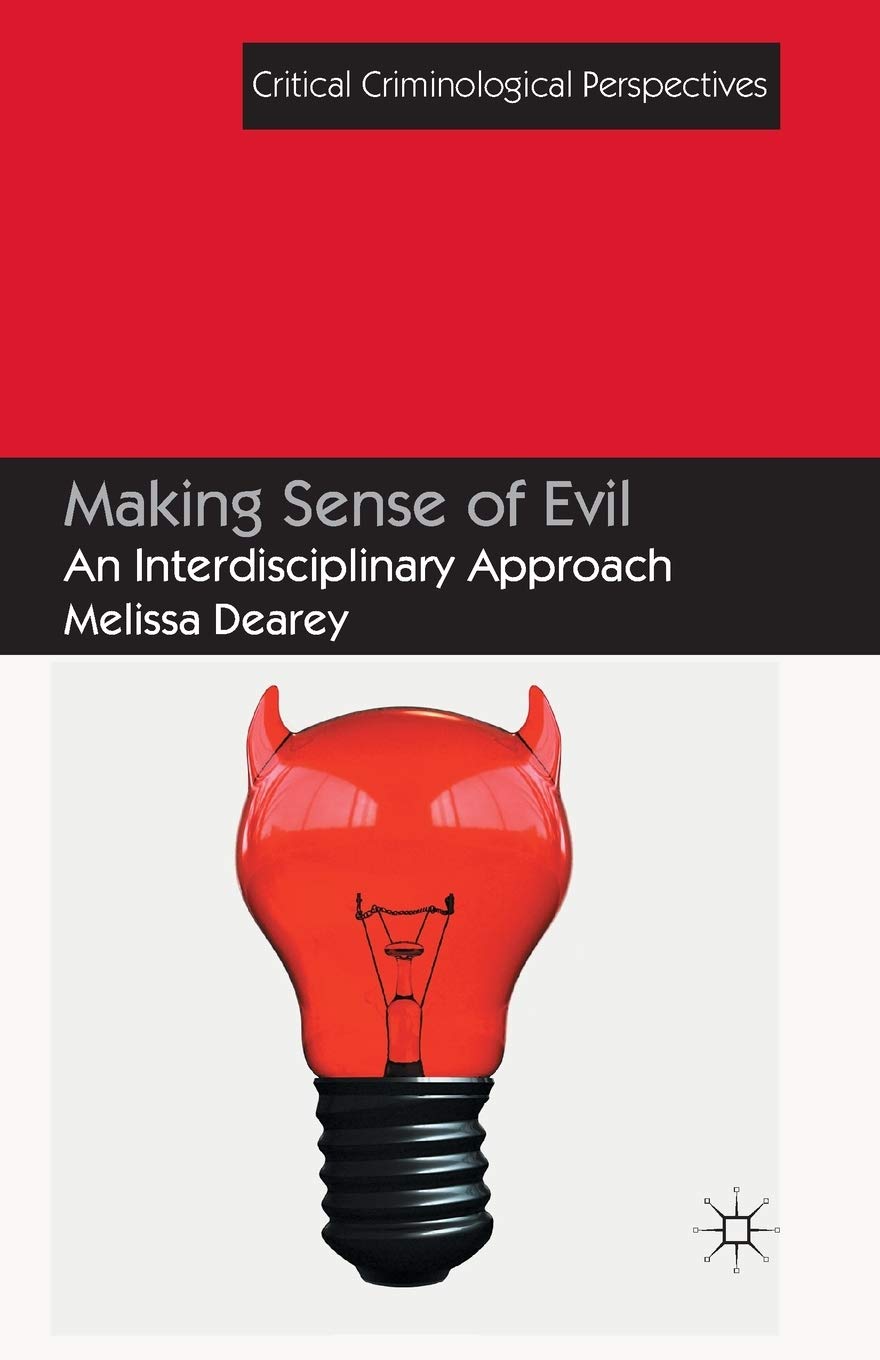
Making Sense of Evil: An Interdisciplinary Approach
Making Sense of Evil: An Interdisciplinary Approach
Price subject to change. Tap below for current.
Couldn't load pickup availability
In this review of Making Sense of Evil: An Interdisciplinary Approach the bottom line is clear: this book is best for readers who want a thoughtful, academic exploration of evil as an explanatory concept in crime studies. Melissa Dearey assembles perspectives from theology, philosophy, literary and cultural studies, and the social sciences to ask why criminologists largely avoid the language of evil, and whether that avoidance matters. The book is measured rather than polemical, making it useful for graduate students, researchers, and curious professionals seeking a cross-disciplinary lens on moral language in criminology.
Key Features
- Interdisciplinary focus: Draws on theology, philosophy, literary and cultural studies, and social science to offer multiple lenses on the concept of evil, helping readers see how different disciplines frame wrongdoing.
- Theoretical critique: Questions the absence of evil in mainstream criminology, giving readers a reasoned account of the term's explanatory limits and possibilities.
- Accessible scholarship: Balances academic rigor with clear exposition so that informed non-specialists can follow complex arguments without excessive jargon.
- Cultural context: Considers literary and cultural studies to show how narratives and representation shape public and scholarly understandings of evil related to crime.
- Practical relevance: Connects interdisciplinary ideas back to criminological practice and theory, prompting professionals to reflect on language and moral framing.
Who It's For
The book will appeal to graduate students, academics, and practitioners in criminology, sociology, theology, and related fields who want a careful, cross-disciplinary critique of how evil is invoked or avoided in explanations of crime. Its comparative approach makes it a useful seminar text or research reference for those studying moral concepts in social science.
Readers seeking a quick how-to guide or empirical crime statistics should look elsewhere; the emphasis here is conceptual analysis and interdisciplinary conversation rather than case-driven policy manuals or crime data collections.
Pros & Cons
Pros
- Thoughtful interdisciplinary synthesis provides fresh angles for understanding moral language in criminology.
- Clear writing makes complex philosophical and theological discussions accessible to social science readers.
- Useful for teaching and research as a stimulant for class discussion and further reading across fields.
Cons
- Limited practical guidance for practitioners who need concrete policy or procedural recommendations rather than conceptual debate.
Specifications
| Title | Making Sense of Evil: An Interdisciplinary Approach |
| Series | Critical Criminological Perspectives |
| Author | Melissa Dearey |
| Scope | Theology, philosophy, literary and cultural studies, social sciences |
| Audience | Graduate students, researchers, criminology professionals |
| Focus | Conceptual analysis of evil in relation to crime |
Our Verdict
Making Sense of Evil is a worthwhile read for those seeking an interdisciplinary, concept-driven examination of why criminology has largely sidelined the term evil and what might be gained by reengaging it. Its balanced critique and accessible writing make it good value for students and scholars who want to broaden theoretical horizons rather than for readers seeking practical crime-control guidance.
Frequently Asked Questions
Is this book empirical or theoretical?
This work is primarily theoretical and interdisciplinary, focusing on conceptual analysis rather than empirical data collection.
Who is the intended readership?
The book targets graduate students, academics, and professionals interested in criminology, theology, philosophy, and cultural studies.
Does it offer policy recommendations?
No, the emphasis is on critique and interpretation; readers looking for specific policy measures should consult applied criminology texts.
Editor's Take
Making Sense of Evil is a thoughtful interdisciplinary examination of why criminology largely avoids the concept of evil; recommended for scholars and graduate students seeking conceptual depth rather than policy guidance.

Recently viewed
Recently viewed products will appear here as customers browse the store.