

Managing the Building Design Process - Practical Design Management
Managing the Building Design Process - Practical Design Management
Price subject to change. Tap below for current.
Couldn't load pickup availability
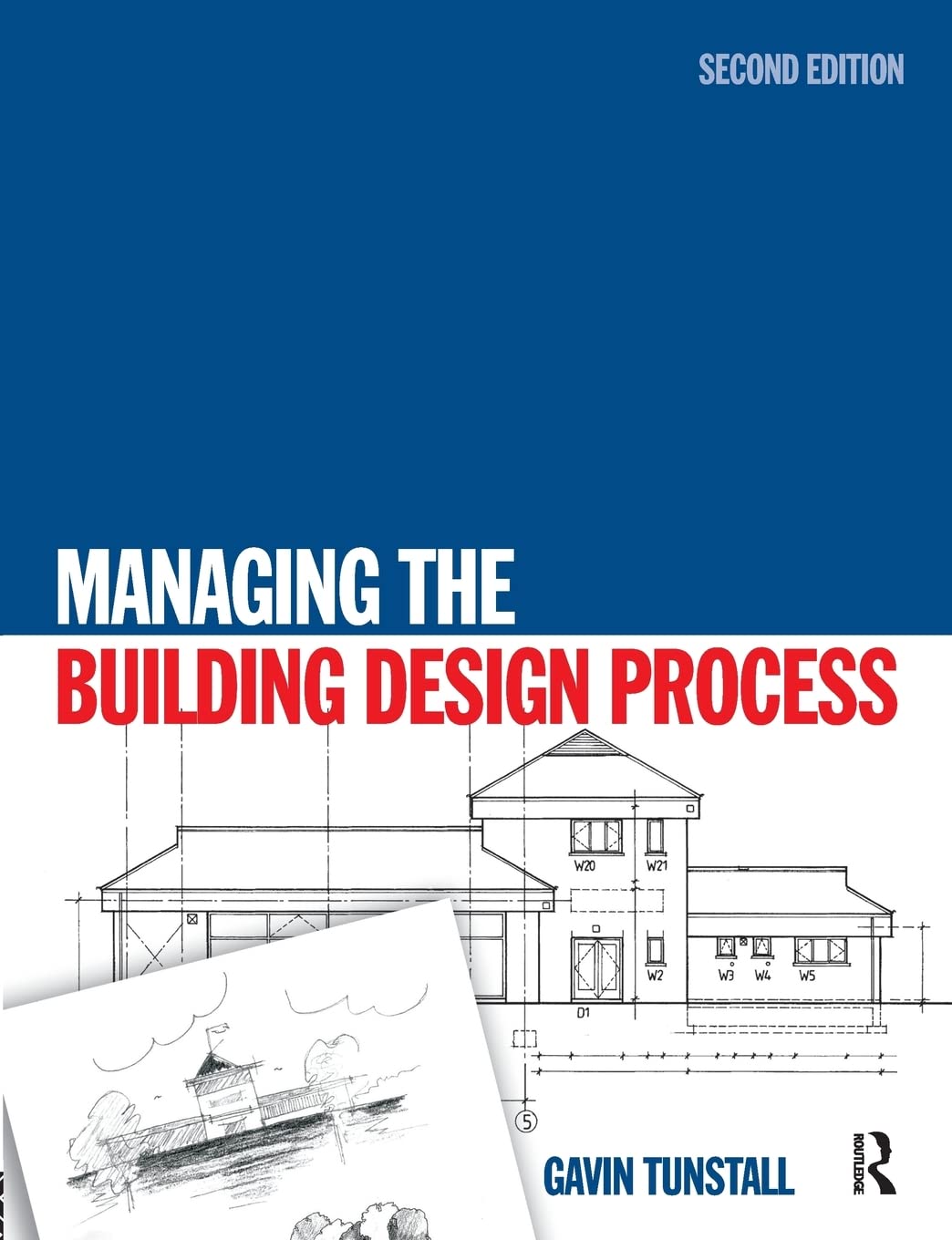
In this review of Managing the Building Design Process the reviewer finds a practical, classroom-ready guide for architects and design students. The book's bottom line is clear: it explains the designer's role through every stage of creating a new building using a continuous case study, which makes it especially useful for those who learn best by following a single project from plan to completion. This review highlights the book's detailed process orientation, the added sections on CAD and sustainability, and why the text works as both a course textbook and a hands-on reference for practice.
Key Features
- Single case study approach: Follows one building project through all phases so readers can trace decisions and consequences from initial brief to completion.
- Designer role focus: Clarifies the responsibilities and decision points for the design professional at each stage, helping readers understand practical project management.
- Updated content: The new edition incorporates recent legislation changes and new illustrations to keep the process guidance current and visually clear.
- CAD coverage: Adds a modern perspective on computer-aided design workflows so readers see where digital tools fit into the broader process.
- Sustainability discussion: Introduces sustainable design considerations and how they influence decisions across the project timeline.
- End-of-chapter resources: Offers discussion points and references that support classroom use and self-study.
Who It's For
Managing the Building Design Process is aimed at architecture students, newly qualified architects and design lecturers who need a structured, example-led explanation of how a project progresses. Its case-study format and end-of-chapter questions make it a good fit for teaching modules and design studio courses where students must link theory to practical steps.
Practising architects looking for deep technical detail on construction methods or extensive specification tables may want a supplementary technical manual, since this book concentrates on the design management perspective rather than exhaustive construction specifications.
Pros & Cons
Pros
- Clear, continuous case study makes complex processes easier to follow for students and new practitioners.
- Updated sections on CAD and sustainability keep the content relevant to contemporary practice.
- Useful teaching aids: discussion points and references at the end of each chapter support classroom use and revision.
Cons
- Does not replace detailed technical handbooks for construction specification or contractor-level detail.
Specifications
| Title | Managing the Building Design Process |
| Author | Gavin Tunstall |
| Focus | Designer role and project process |
| New edition adds | CAD, sustainability, updated legislation |
| Includes | Case study, illustrations, chapter discussion points |
| Intended audience | Students, lecturers, early-career architects |
Our Verdict
Managing the Building Design Process is a well-structured, value-for-money guide for students and early-career designers who need to understand the sequence of decisions in building design. Its continuous case study, clearer coverage of CAD and attention to sustainable design make it a practical classroom text and a useful desk reference for managing design work.
Frequently Asked Questions
Does this edition cover modern digital design tools?
Yes, the updated edition includes sections that discuss where CAD fits into the building design process and how it supports project development.
Is it suitable as a textbook for architecture courses?
Yes, the book's case study format, chapter discussion points and references make it suitable for studio teaching and course reading lists.
Will it replace construction technical manuals?
No, it focuses on design management and the designer's role rather than exhaustive construction specifications, so technical detail may need to be supplemented.
Editor's Take
A practical, classroom-ready guide for students and early-career architects that uses a continuous case study to explain the designer's role, with useful updates on CAD and sustainability.

Recently viewed
Recently viewed products will appear here as customers browse the store.