

Masculinity and the Paradox of Violence in American Fiction
Masculinity and the Paradox of Violence in American Fiction
Price subject to change. Tap below for current.
Couldn't load pickup availability
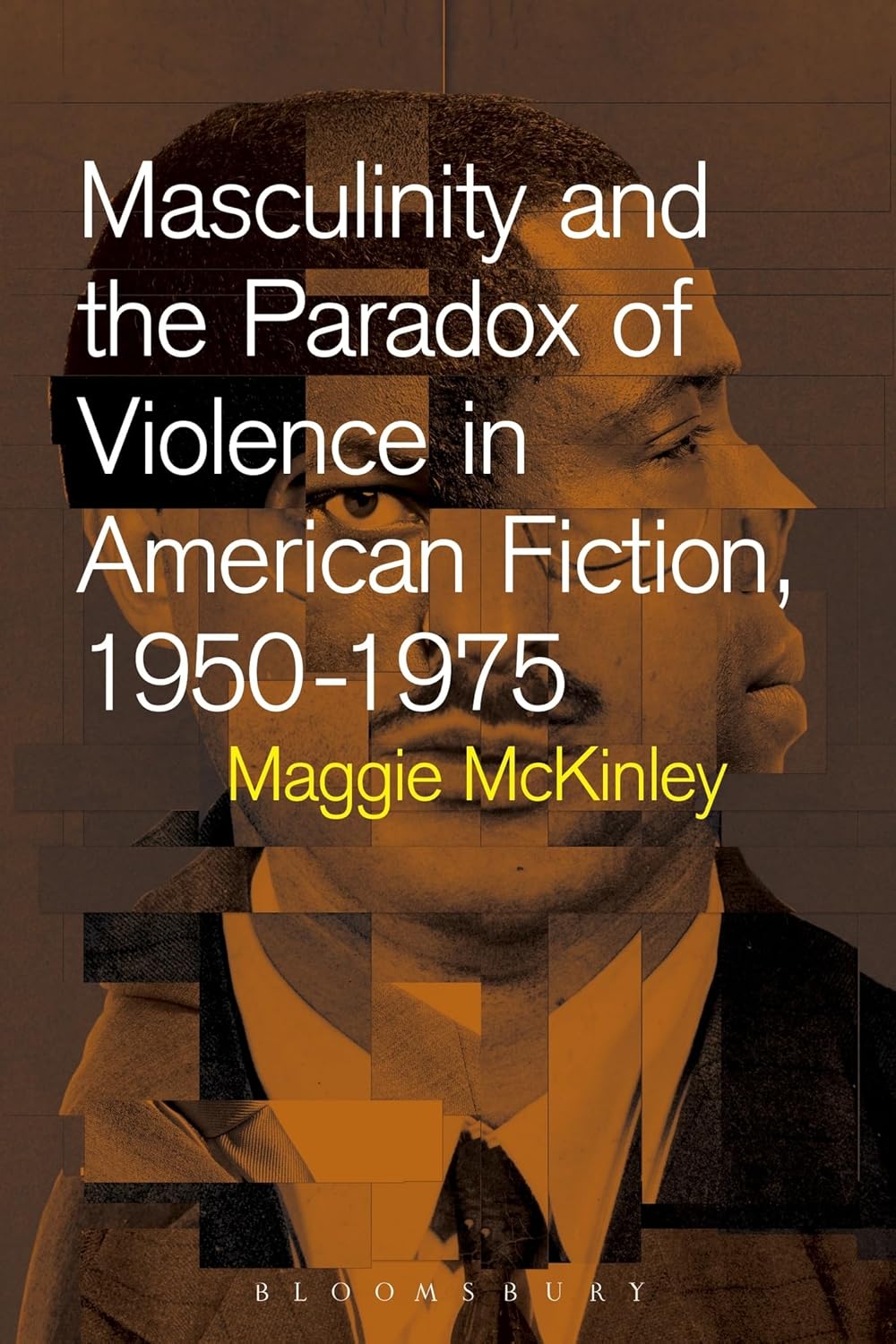
In this review of Masculinity and the Paradox of Violence in American Fiction, 1950-75, Maggie McKinley offers a focused study for readers interested in literary criticism of mid-20th century America. The book's single biggest reason to buy is its clear argument that violence, often celebrated as a path to masculine freedom in the works of Ellison, Baldwin, Wright, Mailer, Bellow, and Roth, frequently ends up reinforcing the very power structures it seems to reject. This review examines how McKinley traces that paradox across race, ethnicity, and narrative voice with attentive close readings and historical sensitivity.
Key Features
- Argument-driven analysis: McKinley presents a sustained thesis that connects depictions of violence to the formation and limitation of masculine identities across several major American authors.
- Comparative scope: The book juxtaposes writers such as Ralph Ellison and Norman Mailer to reveal thematic continuities and contrasts in portrayals of violence and masculinity.
- Historical context: Close attention to the 1950-75 period situates each work within postwar social tensions and racial and ethnic conflict, clarifying why the paradox matters.
- Textual close readings: Detailed readings of scenes and character decisions bolster McKinley's claims and help readers see how narratives reproduce or contest cultural myths.
- Accessible critical voice: The prose aims to be readable for graduate students and informed general readers, making complex arguments approachable without dumbing them down.
Who It's For
This book is best for graduate students, instructors, and serious readers of 20th century American literature who want a concentrated study of how violence operates in constructions of masculinity across a set of influential authors. Scholars researching race, gender, and narrative form will find McKinley's comparative approach useful for seminar discussions and bibliographic follow-up.
Readers seeking a general history of midcentury America or a broad survey of cultural politics may want a more expansive or interdisciplinary treatment; this book is primarily a focused literary criticism rather than a comprehensive social history.
Pros & Cons
Pros
- Clear, sustained thesis that helps readers grasp the paradox linking violence and masculine identity.
- Comparative readings bring productive contrasts among Ellison, Baldwin, Wright, Mailer, Bellow, and Roth.
- Accessible prose for an academic-critical book makes it suitable for classroom use.
Cons
- Scope is intentionally narrow; readers wanting broader historical synthesis may find the focus limiting.
Specifications
| Title | Masculinity and the Paradox of Violence in American Fiction, 1950-75 |
| Author | Maggie McKinley |
| Subject focus | Violence, masculinity, race and ethnicity in American fiction |
| Authors discussed | Ralph Ellison, Richard Wright, Norman Mailer, Saul Bellow, James Baldwin, Philip Roth |
| Time period | 1950-1975 |
| Genre | Literary criticism / History & Criticism |
Our Verdict
McKinley's book is a valuable, tightly argued contribution for readers focused on midcentury American literature and gender studies. Its comparative readings illuminate how violence functions both as a rhetorical claim to masculine freedom and as a mechanism that can reproduce constricting social myths, making it worth acquiring for graduate courses and specialized personal libraries.
Frequently Asked Questions
Does this book cover authors from different racial backgrounds?
Yes, the study explicitly includes Black and white authors-Ellison, Wright, Baldwin as well as Mailer, Bellow, and Roth-to examine racial and ethnic dynamics alongside masculinity.
Is this suitable for undergraduate courses?
It can be used in advanced undergraduate seminars on 20th century American fiction or gender studies, though instructors should supplement broader historical material.
Does the book focus on a specific decades-long period?
Yes, the analysis centers on fiction written and published between 1950 and 1975.
Editor's Take
McKinley delivers a tightly argued study showing how depictions of violence in midcentury American fiction claim masculine freedom while often reinforcing restrictive cultural myths; recommended for graduate students and focused readers of literary criticism.

Recently viewed
Recently viewed products will appear here as customers browse the store.