

Mask by Nigel West - Intelligence History Espionage
Mask by Nigel West - Intelligence History Espionage
Price subject to change. Tap below for current.
Couldn't load pickup availability
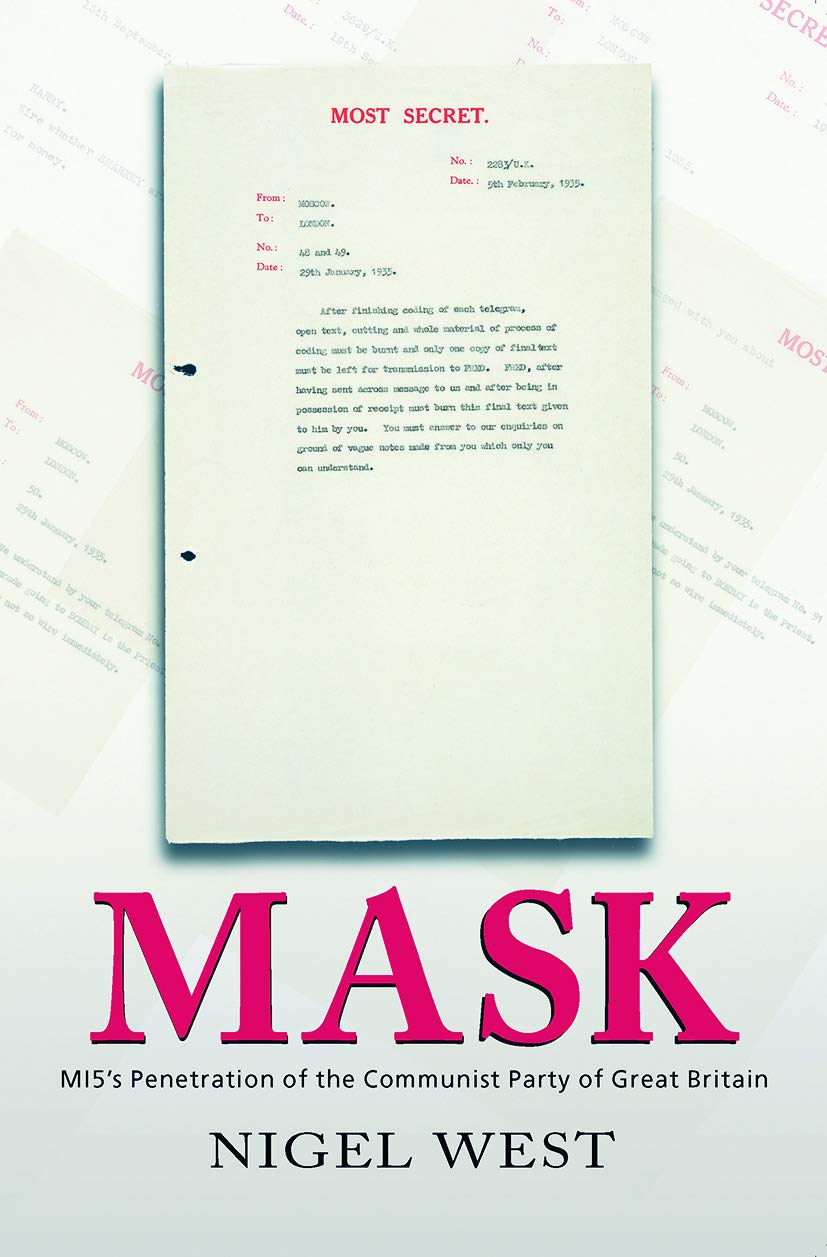
Our review of Mask by Nigel West finds it a focused, well-researched account for readers interested in British intelligence history and Cold War espionage. The book's single biggest strength is its detailed reconstruction of MI5's interception operations and the MASK source, which illuminates how covert wireless interception reshaped government understanding of Soviet activity in Britain and abroad. For anyone researching national security, intelligence tradecraft, or interwar and wartime counterespionage, this is a substantive narrative that places technical interception work into political and institutional context.
Key Features
- Reveals MASK: Provides a clear account of the codename MASK and why it was one of the most secretive sources ever handled by British intelligence, helping readers understand its significance.
- Operational detail: Describes MI5 and the Government Code and Cipher School practices, showing how covert intercept stations contributed to intelligence breakthroughs.
- Historical context: Connects the interception work to cabinet-level decisions under Stanley Baldwin, explaining the political impact of uncovered Soviet espionage.
- Geographic scope: Tracks wireless traffic between the Soviet Union and Comintern representatives in countries as distant as the United States, China and Austria, demonstrating global reach.
- Institutional focus: Explains the role of the Secret Intelligence Service and the covert intercept station at Denmark Hill, South London, giving readers a sense of the Bureaucratic setting.
Who It's For
This book is best suited to historians, intelligence professionals, and serious readers of Cold War and interwar espionage who want a documentary-style account of signal interception and its political consequences. The emphasis on technical interception and institutional process makes it especially valuable for those studying the development of British signals intelligence.
Readers seeking a broad popular biography, light narrative storytelling, or a comprehensive survey of all British wartime intelligence activities might prefer a different title; Mask is narrower in scope and concentrates on the MASK source and interception network rather than offering a sweeping social history.
Pros & Cons
Pros
- Detailed explanation of the MASK codename and why it mattered to MI5 and the cabinet.
- Strong linkage between technical intercept work and high-level political decisions, clarifying historical impact.
- Clear descriptions of the Government Code and Cipher School and the Denmark Hill intercept station.
Cons
- Narrow focus on interception and a specific source makes it less suitable for readers wanting a wide-ranging social or biographical history.
Specifications
| Title | Mask |
| Author | Nigel West |
| Subject | British intelligence and Soviet espionage |
| Main focus | MASK codename and MI5 interception |
| Key locations | Wimbledon; Denmark Hill, South London; international Comintern links |
| Institutions covered | MI5, Secret Intelligence Service, Government Code and Cipher School |
Our Verdict
Mask by Nigel West is a focused, evidence-driven work that will reward readers who want to understand how covert wireless interception informed British government responses to Soviet espionage. Its value lies in the technical and institutional detail that links field operations to cabinet decisions, making it a worthwhile purchase for students of intelligence history and national security.
Frequently Asked Questions
Does this book explain what MASK actually was?
The book reconstructs how the codename MASK referred to a highly secret source and explains its operational role within MI5 and the Government Code and Cipher School.
Which institutions are central to the narrative?
The narrative centers on MI5, the Secret Intelligence Service and the Government Code and Cipher School, especially the Denmark Hill intercept station.
Is the scope international or domestic?
While focused on Britain, the book traces intercepted wireless traffic linking the Soviet Union to Comintern contacts in countries including the United States, China and Austria.
Editor's Take
Mask is a focused, evidence-driven account that links covert wireless interception to government decisions, recommended for readers of intelligence history and national security.

Recently viewed
Recently viewed products will appear here as customers browse the store.