

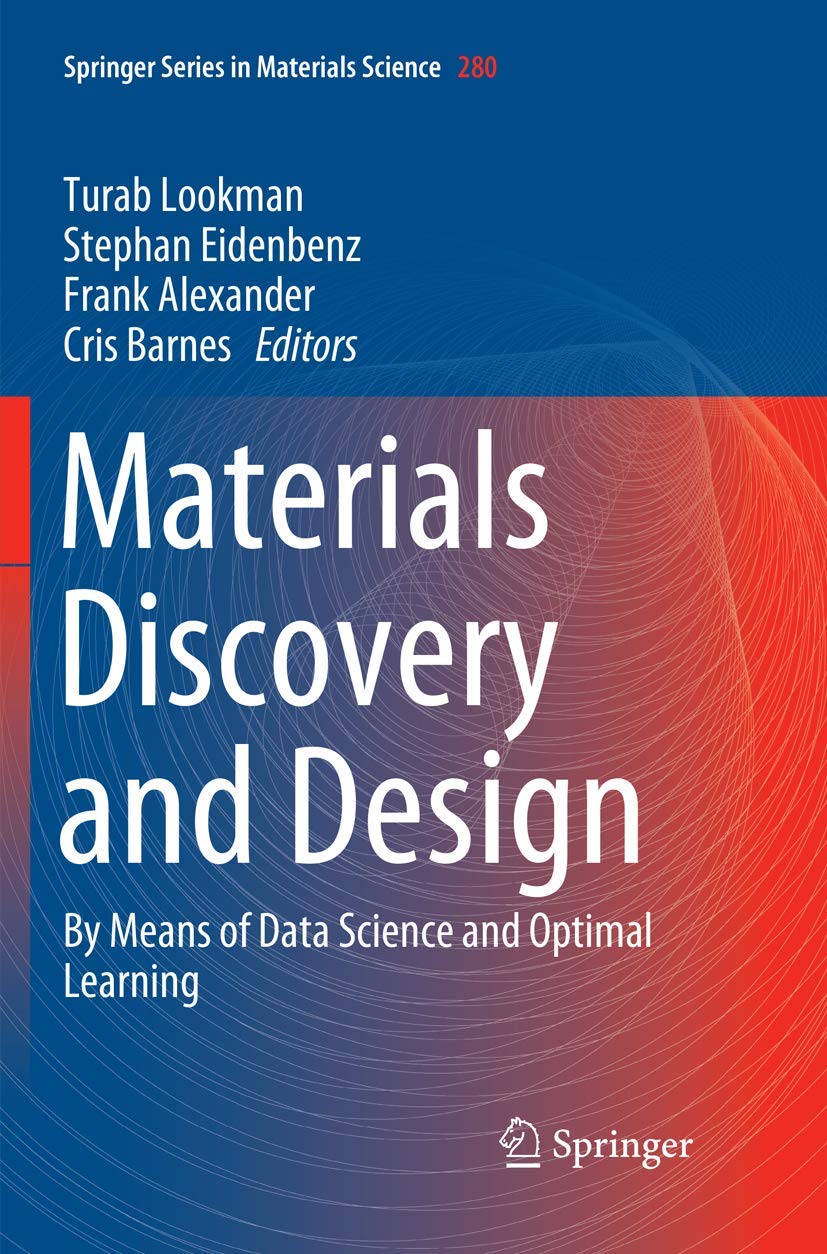
Materials Discovery and Design: By Means of Data Science and Optimal
Materials Discovery and Design: By Means of Data Science and Optimal
Price subject to change. Tap below for current.
Couldn't load pickup availability
In this review of Materials Discovery and Design: By Means of Data Science and Optimal Learning the reviewer outlines why this volume matters for researchers and advanced students. The bottom line: it is a rigorous, interdisciplinary handbook that shows how data science and optimal learning strategies can guide materials discovery, and it is most valuable to those working with large computational or experimental data sets who need principled information-theoretic tools rather than a surface survey.
Key Features
- New paradigm: The book develops a coherent way of thinking about how data science can actively guide materials discovery, helping practitioners plan experiments and simulations more efficiently.
- Information-theoretic tools: Clear descriptions of information-theoretic approaches illustrate how to quantify and extract value from complex materials data.
- Data analysis and processing: Coverage includes methods for both computational and experimental large-scale data processing relevant to modern materials research.
- Interdisciplinary contributors: Chapters by experts from different domains provide multiple technical perspectives that help bridge theory and application.
- Applied optimal learning: The text explains how optimal learning frameworks can prioritize experiments and accelerate discovery.
Who It's For
The book is aimed at materials scientists, computational physicists, and engineers who are comfortable with quantitative methods and want to integrate data-driven discovery into their workflow. Graduate students and researchers designing campaigns of experiments or high-throughput simulations will find the emphasis on information theory and optimal learning directly applicable.
Those seeking an introductory primer on materials science or a general textbook without emphasis on data methods should look elsewhere; the volume assumes familiarity with computational approaches and a willingness to engage with technical descriptions rather than popular explanations.
Pros & Cons
Pros
- Provides a coherent framework for guiding materials discovery using data science approaches.
- Practical descriptions of information-theoretic tools make advanced concepts usable for applied research.
- Contributions from an interdisciplinary group offer diverse, complementary perspectives.
Cons
- The material is technical and best suited to readers with a quantitative background, which may limit accessibility for beginners.
Specifications
| Title | Materials Discovery and Design: By Means of Data Science and Optimal Learning |
| Series | Springer Series in Materials Science, 280 |
| Editors / Authors | Turab Lookman; Stephan Eidenbenz; Frank Alexander; Cris Barnes |
| Focus | Information-theoretic tools, data analysis, optimal learning in materials science |
| Content type | Contributed chapters from interdisciplinary experts |
| Audience | Researchers, graduate students, computational materials scientists |
Our Verdict
Materials Discovery and Design: By Means of Data Science and Optimal Learning is a focused, high-value reference for researchers who want to apply optimal learning and information-theoretic techniques to real materials problems. It is especially worthwhile for teams running large-scale computational or experimental campaigns; readers seeking a nontechnical introduction should consider a different starting point.
Frequently Asked Questions
Does the book cover experimental as well as computational data?
Yes. The text explicitly treats both large-scale computational and experimental data processing with applicable methods.
Who contributed the chapters?
The volume contains chapters from an interdisciplinary group of experts, coordinated by editors Turab Lookman, Stephan Eidenbenz, Frank Alexander, and Cris Barnes.
Is this suitable for beginners in materials science?
Not ideal for beginners; the book assumes quantitative familiarity and focuses on technical tools for data-driven discovery.
Editor's Take
A focused, high-value reference for researchers applying optimal learning and information-theoretic methods to materials discovery; best for quantitatively trained users running large computational or experimental campaigns.

Recently viewed
Recently viewed products will appear here as customers browse the store.