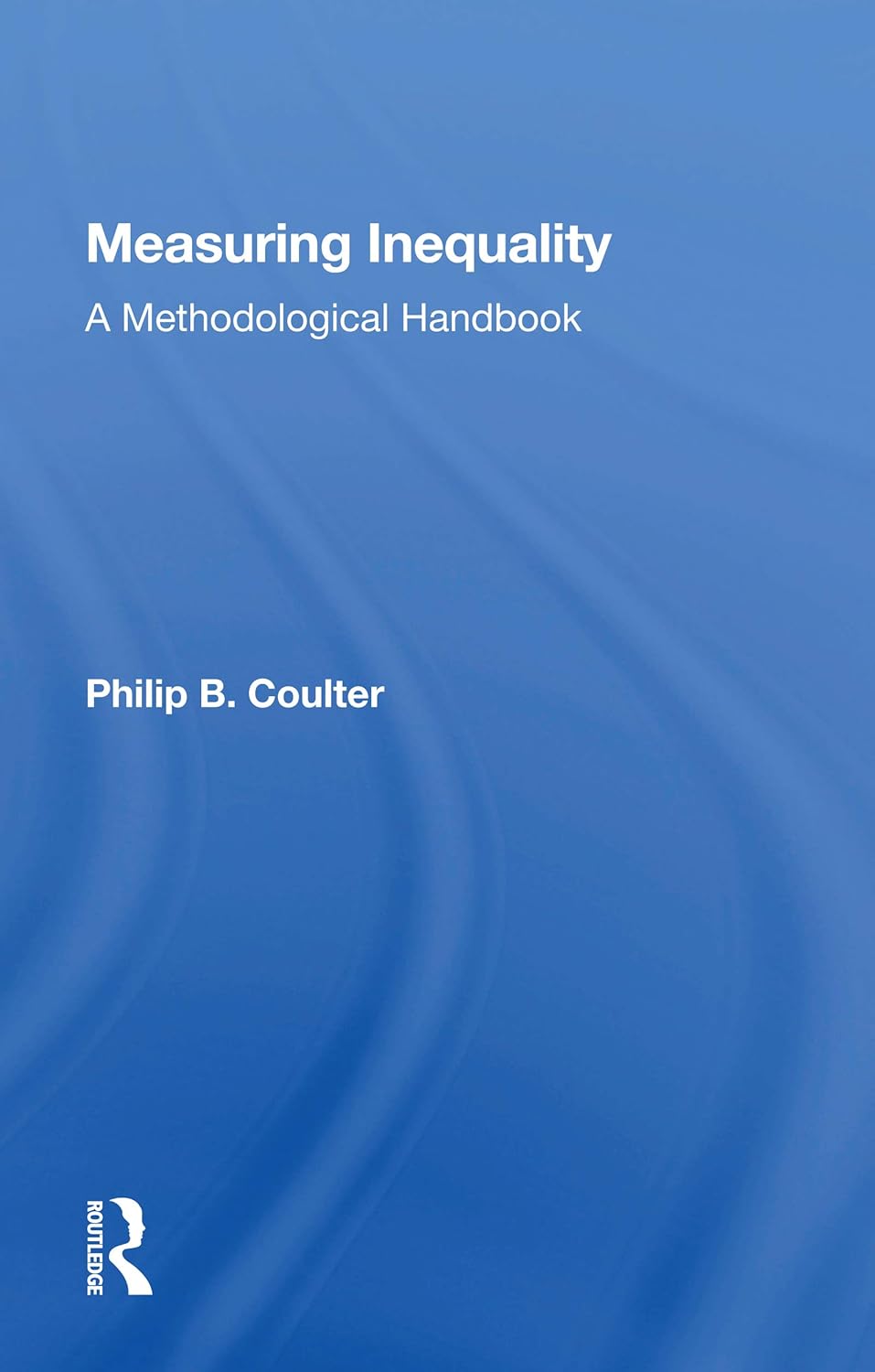
Measuring Inequality: A Guide to Understanding Disparities
Measuring Inequality: A Guide to Understanding Disparities
Price subject to change. Tap below for current.
Couldn't load pickup availability
Measuring Inequality is an essential resource for anyone looking to understand the complexities of economic disparities. Authored by Philip B. Coulter, this book delves into the various dimensions of inequality, providing readers with a thorough analysis of its causes and consequences.
In today's world, the topic of economic inequality is more relevant than ever. This book offers a detailed examination of how wealth is distributed across different segments of society. With clear explanations and insightful data, readers will gain a deeper understanding of the factors that contribute to these disparities.
One of the standout features of Measuring Inequality is its use of real-world examples. Coulter illustrates his points with case studies that highlight the impact of inequality on communities and individuals. These examples not only make the content relatable but also emphasize the urgency of addressing these issues.
The book is structured in a way that makes it accessible to both scholars and general readers. Each chapter builds on the last, gradually introducing more complex concepts related to social justice and economic policy. This thoughtful progression ensures that readers can follow along, regardless of their prior knowledge.
Additionally, Coulter provides a comprehensive overview of the tools and methodologies used in measuring inequality. From statistical analyses to qualitative assessments, the author equips readers with the knowledge needed to critically evaluate existing research and data. This empowers readers to engage in informed discussions about inequality.
Another significant aspect of the book is its focus on potential solutions. Coulter does not merely present the problem; he also explores various strategies that can be employed to mitigate inequality. By discussing policy recommendations and community initiatives, he inspires readers to think critically about how they can contribute to positive change.
In conclusion, Measuring Inequality is a vital addition to the literature on economic disparities. It is a well-researched, engaging, and thought-provoking book that challenges readers to confront the realities of inequality in their own lives and communities. Whether you are a student, a policy maker, or simply someone interested in social issues, this book will provide you with valuable insights and a deeper understanding of the world around you.
Share