

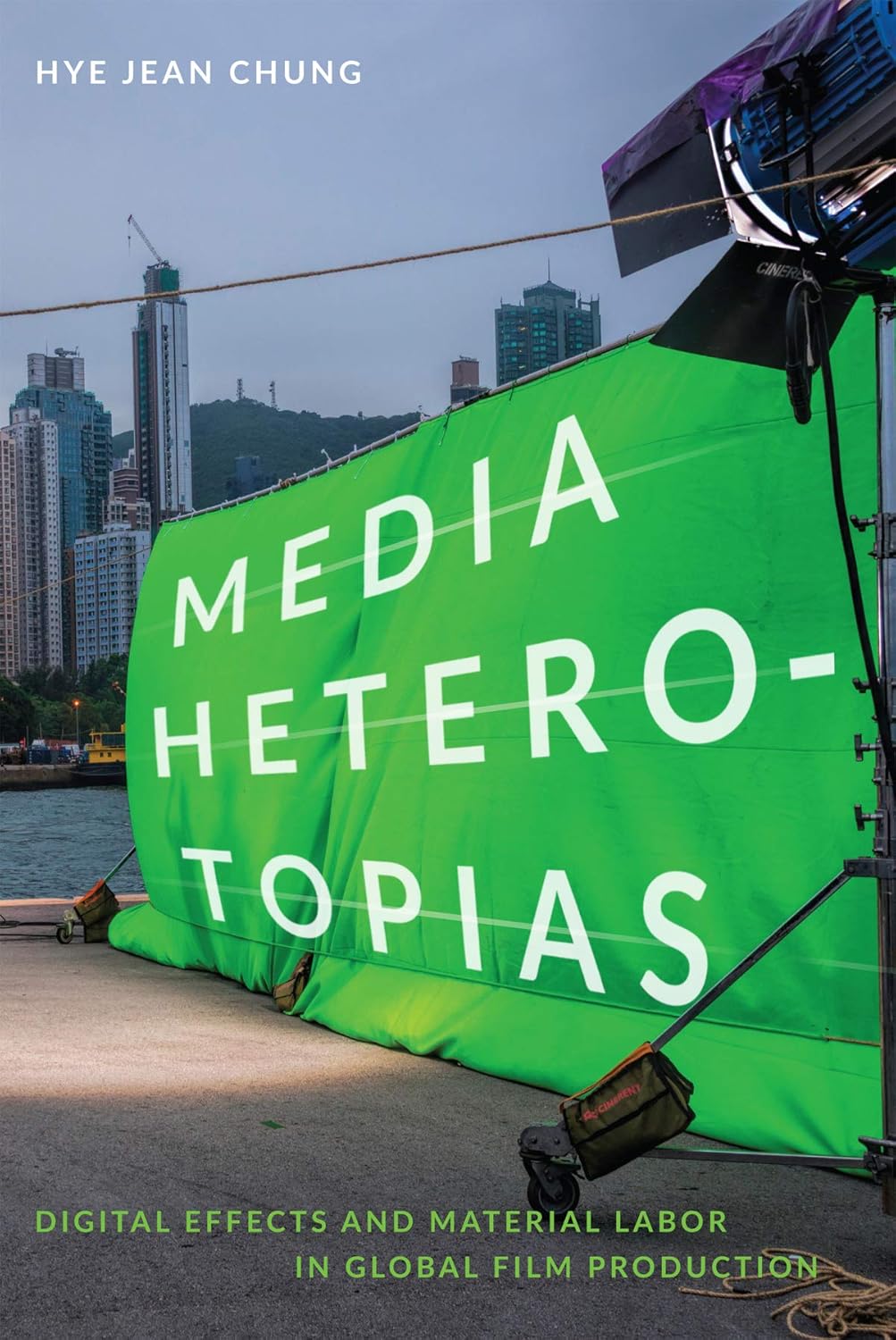
Media Heterotopias: Digital Effects and Material Labor in Global Film
Media Heterotopias: Digital Effects and Material Labor in Global Film
Price subject to change. Tap below for current.
Couldn't load pickup availability
In this review of Media Heterotopias Hye Jean Chung offers a rigorous reassessment of how contemporary films hide the labor and economic networks behind digital effects. The book is best for readers who want a critical, research-driven account of visual effects production and the global labor practices that sustain it; its single biggest reason to buy is Chung's combination of industry interviews and theoretical framing that makes visible the human work behind so-called seamless CGI. This reviewer found it particularly useful for film scholars, effects practitioners, and curious viewers wanting an ethically minded picture of global filmmaking.
Key Features
- Industry interviews: Direct conversations with directors, producers, and special effects supervisors provide first-hand insight into the division of labor across global film production.
- Theoretical framing: The adaptation of Foucault's heterotopias helps readers reimagine film sets and digital spaces as sites where material labor and power are organized.
- Case studies: Detailed examinations of films such as Avatar, Interstellar, and The Host trace how live action and CGI combine to mask dispersed labor practices.
- Attention to material conditions: The book foregrounds the social, political, and economic realities that underlie digital effects workflows, challenging audiences' assumptions about seamlessness.
- Global perspective: Chung highlights transnational production chains and how geographically dispersed teams contribute to a single visual outcome, clarifying the global scope of digital labor.
Who It's For
This book is aimed at film scholars, media studies students, and visual effects professionals who want a research-informed perspective on the politics and labor behind digital production. Readers who appreciate theory grounded in interviews and concrete film examples will find Chung's approach valuable.
Those seeking a technical how-to manual on visual effects techniques or a celebratory industry history should look elsewhere; the book prioritizes critical analysis and labor history over step-by-step production instruction.
Pros & Cons
Pros
- Illuminates the often-invisible labor behind CGI through extensive interviews with industry participants.
- Offers a clear theoretical lens by applying the idea of heterotopic spaces to film production.
- Uses recognizable film case studies to connect complex arguments to mainstream cinema.
Cons
- The focus on critical analysis means readers seeking technical VFX tutorials will be disappointed.
Specifications
| Title | Media Heterotopias: Digital Effects and Material Labor in Global Film Production |
| Author | Hye Jean Chung |
| Subject | Film production, digital effects, labor and media theory |
| Approach | Interviews and theoretical analysis (Foucault's heterotopias) |
| Case studies | Avatar, Interstellar, The Host and other hybrid live action/CGI films |
| Perspective | Global filmmaking and transnational labor networks |
Our Verdict
Media Heterotopias is a substantive, well-documented critical study that reveals the labor realities obscured by seamless digital effects. Scholars, critics, and industry-aware viewers should buy it for its careful interviews and theoretical clarity; it offers strong value as a correction to popular narratives that ignore the people and politics behind contemporary film production.
Frequently Asked Questions
Does this book include interviews with industry professionals?
Yes, Chung draws on interviews with directors, producers, special effects supervisors, and other film industry workers.
Are technical VFX methods explained in a tutorial style?
No, the book focuses on critical analysis of labor and production rather than step-by-step technical instruction.
Which films are analyzed as examples?
The book examines films such as Avatar, Interstellar, and The Host to show how live action and CGI create hybrid environments.
Editor's Take
Media Heterotopias is a well-researched critical study that exposes the material labor obscured by seamless digital effects; recommended for scholars, critics, and industry-aware viewers who want a rigorous account of global film production.

Recently viewed
Recently viewed products will appear here as customers browse the store.