

Medical Confidentiality and Legal Privilege - Informed Policy
Medical Confidentiality and Legal Privilege - Informed Policy
Price subject to change. Tap below for current.
Couldn't load pickup availability
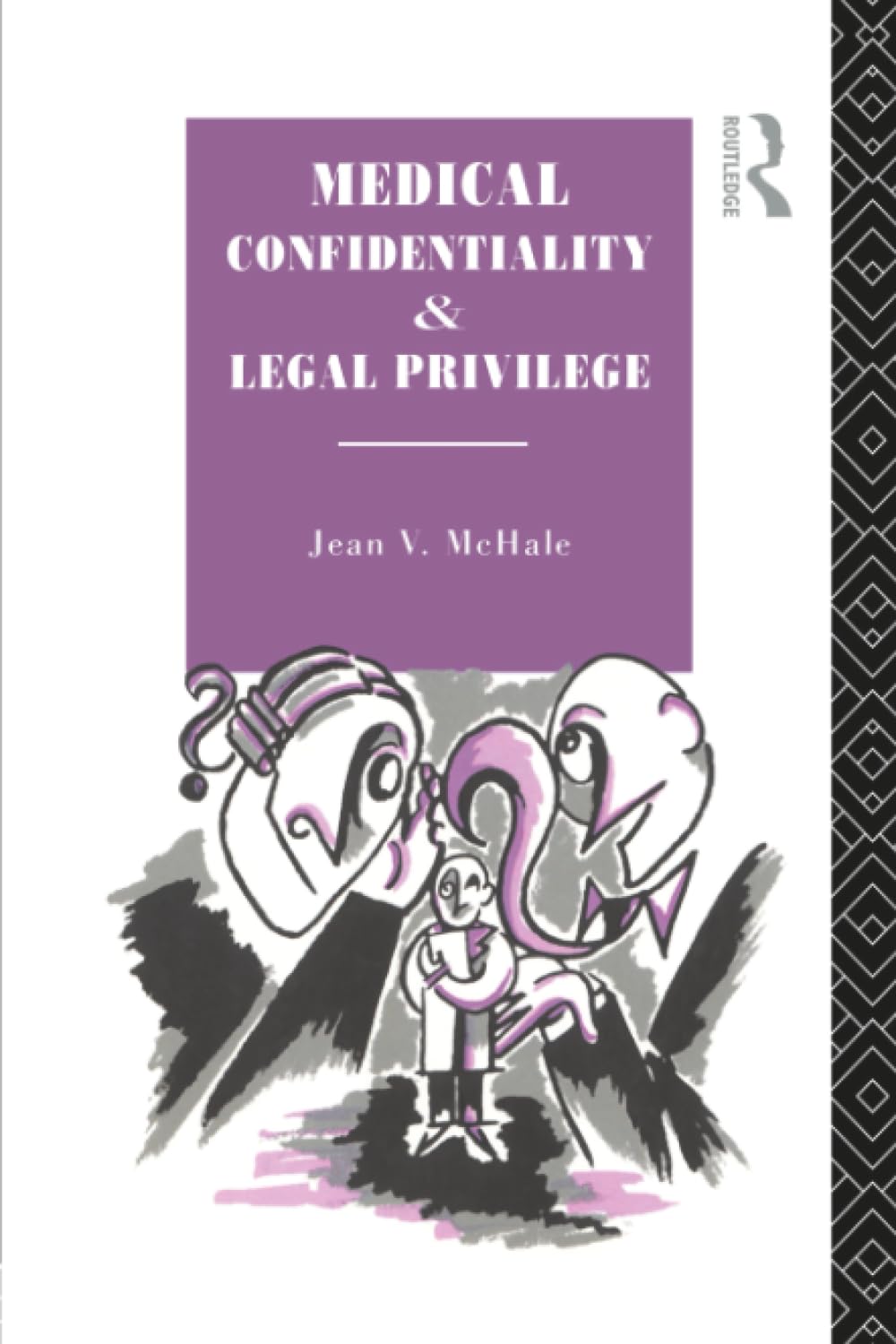
In this review of Medical Confidentiality and Legal Privilege the focus is squarely on how medical secrecy operates where law and ethics collide. Intended for readers interested in health law, medical ethics, and policy reform, this book examines why doctors may be compelled to disclose patient confidences in court and whether statutory change is needed. The bottom line: this is a thoughtful, question-driven analysis that probes the limits of professional secrecy and offers a clear framework for readers seeking to understand the tension between clinical confidentiality and legal obligation.
Key Features
- Historical context: Traces how confidentiality in medical practice has evolved into a contested issue in the era of AIDS, helping readers situate current debates.
- Legal focus: Examines why medical confidences are not always protected in court, clarifying complex interactions between health care and the judiciary.
- Comparative analysis: Compares medical confidentiality with other professional confidential relationships to highlight inconsistencies in legal privilege.
- Practical questions: Asks whether doctors actually keep patient information confidential, prompting clinicians and policymakers to reflect on everyday practice.
- Policy implications: Considers the need for statutory reform, offering a basis for debate among lawmakers and ethics committees.
Who It's For
This book is best suited to law students, health care professionals, ethicists, and policymakers who need a focused review of confidentiality issues at the intersection of medicine and law. Its approach favors readers who appreciate conceptual analysis tied to concrete legal questions rather than a handbook of clinical procedures.
Readers seeking step-by-step legal guidance for litigation or an exhaustive procedural manual on confidentiality protections should look elsewhere; this title is primarily analytical and policy-oriented rather than a practice manual.
Pros & Cons
Pros
- Provides a clear examination of why courts may compel disclosure, useful for legal and ethical reflection.
- Offers comparative insight into other professional privileges to reveal gaps in current protections.
- Frames the debate over statutory reform in a way that informs policy discussion.
Cons
- Not a practical legal manual; readers wanting procedural models or litigation checklists may find it limited.
Specifications
| Title | Medical Confidentiality and Legal Privilege |
| Series | Social Ethics and Policy |
| Author | Jean V. McHale |
| First published | 2004 |
| Primary topics | Confidentiality, legal privilege, medical ethics, statutory reform |
| Intended audience | Law students, ethicists, clinicians, policymakers |
Our Verdict
Medical Confidentiality and Legal Privilege is a concise, thoughtful resource for anyone grappling with the ethical and legal tensions around patient secrecy. It is good value for readers who want conceptual clarity and policy-relevant questions rather than hands-on legal instruction, and it stimulates debate about whether statutory reform is necessary.
Frequently Asked Questions
Does the book discuss why confidentiality is weaker in court?
Yes, it explores the reasons courts may compel disclosure and compares medical confidentiality to other professional privileges.
Is this a practical guide for clinicians?
No, it is analytical and aimed at policy and ethical reflection rather than procedural clinical guidance.
Who wrote this book and when was it published?
The book is by Jean V. McHale and was first published in 2004.
Editor's Take
A thoughtful, policy-focused analysis of how medical confidentiality fares in court; ideal for law students, ethicists, clinicians, and policymakers seeking conceptual clarity rather than procedural guidance.

Recently viewed
Recently viewed products will appear here as customers browse the store.