

Medieval Art In The Christian West: Faith, Symbolism, and Sacred
Medieval Art In The Christian West: Faith, Symbolism, and Sacred
Price subject to change. Tap below for current.
Couldn't load pickup availability
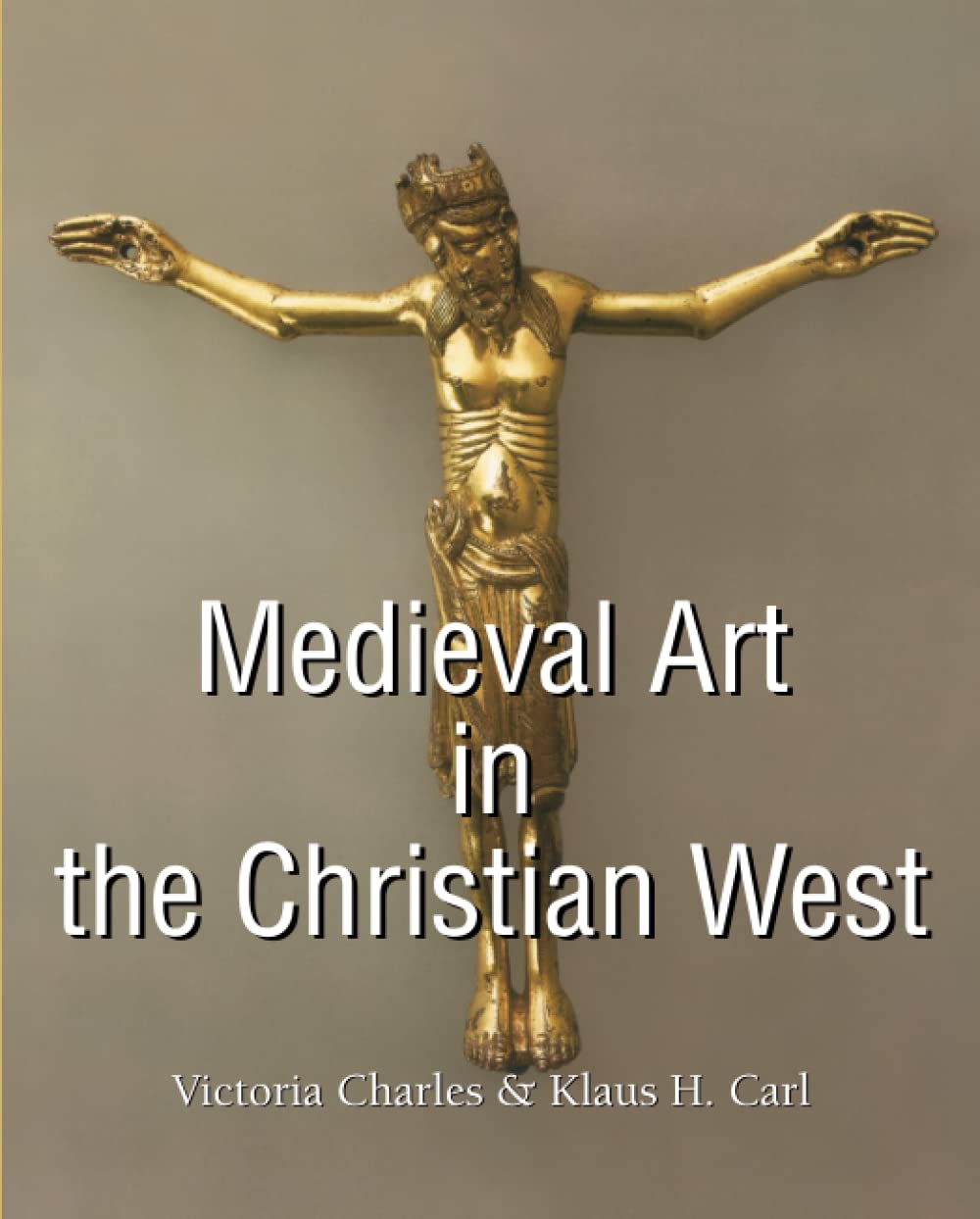
In this review of Medieval Art In The Christian West: Faith, symbolism, and sacred images, the book is presented as a focused, readable exploration of Romanesque art and its religious meaning. It is best for readers who want a clear historical narrative linking the fall of the Western Roman Empire to the artistic revival under Charlemagne and into the 11th and 12th centuries. The single biggest reason to consider this work is its emphasis on iconography and the recovery of the Romanesque period as a decisive chapter in European visual culture, explained in accessible, scholarly prose.
Key Features
- Historical framing: Places the Romanesque period in the larger arc from the fall of the Western Roman Empire through Charlemagne, helping readers understand continuity in European art.
- Iconographic focus: Emphasises the rich symbolism and sacred images that define Romanesque sculpture and architecture, clarifying how meaning was conveyed in religious contexts.
- Regional perspective: Highlights the diversity of regional schools, so readers appreciate the variety of local styles rather than a single monolithic Romanesque look.
- Architectural attention: Connects surviving architectural testimony in cities and countryside to broader cultural recovery and civic rebirth after late antiquity.
- Readable interpretation: Uses captivating text to restore the importance of Romanesque art without overwhelming specialist jargon, useful for both students and interested general readers.
Who It's For
The book suits art history students, museum visitors, and general readers who want a concise, interpretive guide to Romanesque art and its religious symbolism. Those researching the transition from late antiquity to medieval Europe will find the narrative thread from 476 A. D. through the 11th and 12th centuries especially helpful.
Readers seeking exhaustive technical catalogues, lavish colour plates, or a photographic survey should look elsewhere; this work is stronger on iconography and historical synthesis than on being an illustrated reference volume.
Pros & Cons
Pros
- Clear historical narrative linking political change to artistic renewal, making the Romanesque period approachable.
- Strong emphasis on symbolism and sacred imagery that illuminates medieval religious practice.
- Balanced discussion of regional schools that exposes stylistic diversity across Europe.
Cons
- Limited visual documentation implied by the description, so readers wanting many plates may be disappointed.
Specifications
| Title | Medieval Art In The Christian West: Faith, symbolism, and sacred images |
| Author | Victoria Charles |
| Historical span | Fall of Western Roman Empire (476 A. D.) to end of 12th century |
| Period covered | Romanesque (11th to 12th century) |
| Focus | Iconography, sacred images, architecture, regional schools |
| Primary themes | Faith, symbolism, civilising reconstruction |
Our Verdict
Medieval Art In The Christian West is a thoughtful, well-argued account of Romanesque art that rewards readers who want interpretive context and iconographic insight. It is good value for students and general readers seeking a narrative explanation of how sacred imagery and architecture reflect a broader cultural recovery in medieval Europe.
Frequently Asked Questions
Does the book cover the entire Romanesque period?
Yes, it treats the Romanesque era broadly as the period between the early 11th and the end of the 12th century, situating that span within a longer historical sequence.
Is this a heavily illustrated volume?
The description highlights text and iconography rather than photographic documentation, so readers should not expect an extensive plate section.
Who is the author?
The work is by Victoria Charles, who frames Romanesque art within religious symbolism and the broader civilising reconstruction after the fall of Rome.
Editor's Take
A thoughtful, interpretive account of Romanesque art that excels at explaining iconography and the period's cultural recovery; best for students and readers seeking narrative context.

Recently viewed
Recently viewed products will appear here as customers browse the store.