

Memory and Sexual Misconduct - Psychological Research
Memory and Sexual Misconduct - Psychological Research
Price subject to change. Tap below for current.
Couldn't load pickup availability
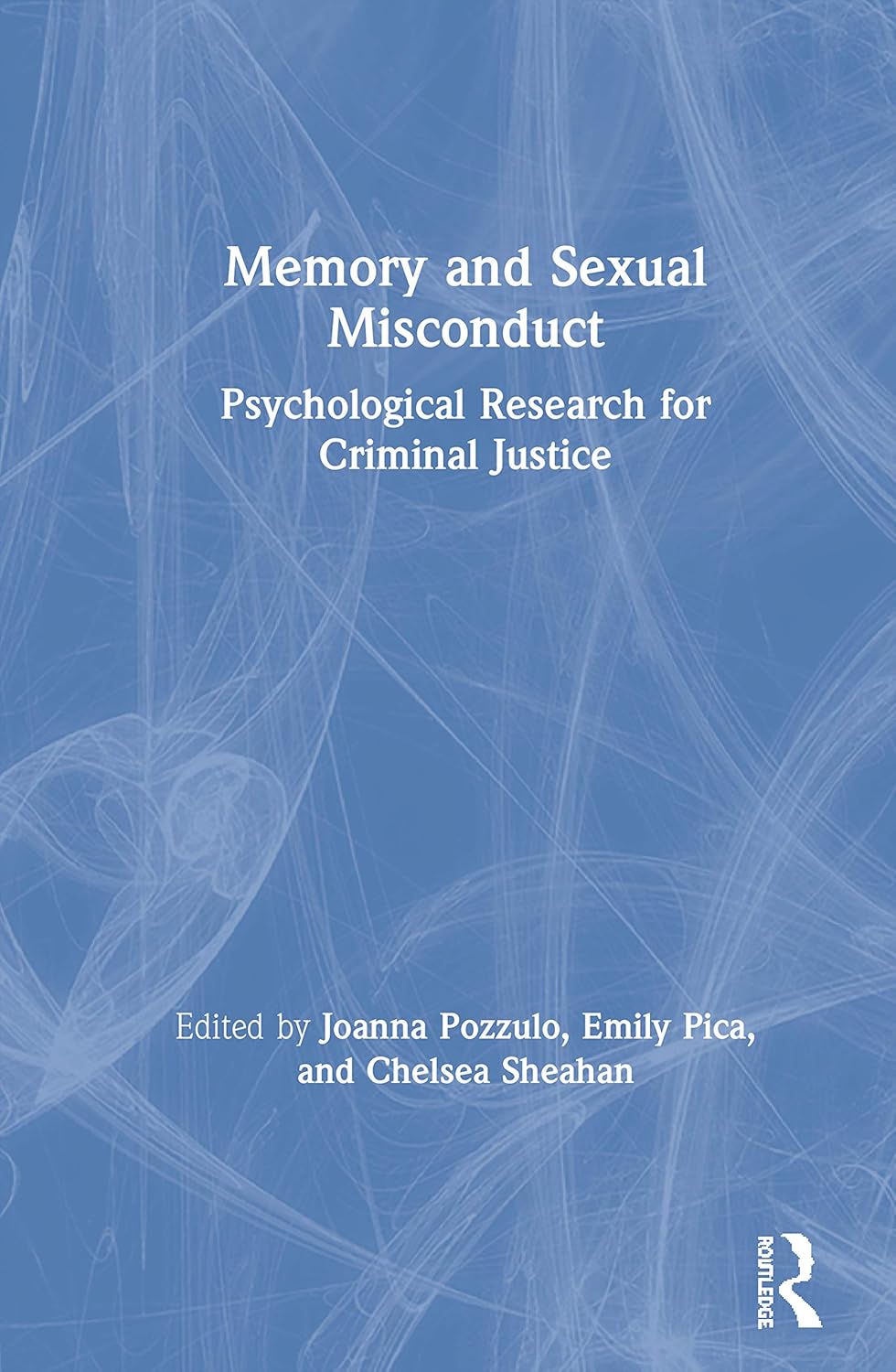
In this review of Memory and Sexual Misconduct readers will find a careful, research-driven look at how memory operates in allegations of sexual harm and what that means for criminal justice. The book is aimed at students, practitioners, and anyone interested in applied psychology; its biggest reason to buy is the sustained effort by the authors to connect empirical studies of memory for trauma with real-world legal problems, helping readers judge when psychological science can inform credibility assessments.
Key Features
- Evidence-based focus: The book compiles and analyzes psychological studies to show how memory processes can affect recall of sexual misconduct, offering readers concrete research findings rather than speculation.
- Case-driven discussion: Drawing on a compilation of real-life sexual assault cases, the authors illustrate how research applies to the kinds of delayed allegations commonly seen in media and courts.
- Interdisciplinary authorship: Written by Emily Pica, Chelsea Sheahan, and Joanna Pozzulo, the text pulls together perspectives from memory research and forensic psychology to inform criminal justice practice.
- Practical relevance: The narrative assesses whether psychological science can help determine which accusations may be accurate, giving practitioners a framework for cautious interpretation.
- Focus on delayed recall: Attention to events reported years after they occur helps readers understand the special challenges of retrospective memory in sexual misconduct allegations.
- Balanced tone: The authors temper scientific findings with real-case complexity, avoiding simplistic claims while highlighting useful forensic implications.
Who It's For
This book is best for graduate students in psychology, legal professionals, investigators, and clinicians who need a rigorous introduction to how memory research intersects with allegations of sexual misconduct. Its emphasis on empirical work and case examples makes it a practical reference for those engaged in forensic evaluation or policy discussion.
Readers seeking a general self-help guide or a purely legal handbook should look elsewhere; this is not a textbook on litigation strategy nor a lay primer on trauma recovery, but rather a focused exploration of memory and sexual misconduct through a psychological research lens.
Pros & Cons
Pros
- Connects empirical memory research to real-world legal cases, helping readers apply science to practice.
- Written by multiple authors with complementary expertise, which broadens perspective and depth.
- Emphasizes delayed recall and the practical challenges this poses for assessing allegations, a timely topic given recent public cases.
Cons
- The book is specialized and may be dense for readers without some background in psychology or criminal justice.
Specifications
| Title | Memory and Sexual Misconduct |
| Authors | Emily Pica, Chelsea Sheahan, Joanna Pozzulo |
| Subject | Psychological research on memory and sexual misconduct |
| Focus | Veracity of memories and factors influencing recall |
| Applications | Criminal justice, forensic evaluation, legal policy discussion |
| Approach | Case compilation combined with empirical review |
Our Verdict
Memory and Sexual Misconduct offers a valuable, evidence-focused exploration for professionals and students who need to understand how memory science bears on allegations of sexual harm. While its specialist tone limits casual readership, it represents good value for anyone seeking a careful, applied guide to assessing delayed recall in forensic contexts.
Frequently Asked Questions
Does this book summarize research studies?
Yes; it compiles and analyzes psychological studies related to recall and trauma to inform interpretation of sexual misconduct allegations.
Is this suitable for legal professionals?
Yes; the book is aimed in part at criminal justice audiences and discusses how findings might be used in forensic assessment.
Will it help victims with recovery?
No; the book focuses on research and legal implications rather than therapeutic guidance for survivors.
Editor's Take
Memory and Sexual Misconduct is a rigorous, research-based examination of how memory affects allegations of sexual harm; specialists in psychology and criminal justice will find it a valuable, applied resource despite its specialist tone.

Recently viewed
Recently viewed products will appear here as customers browse the store.