

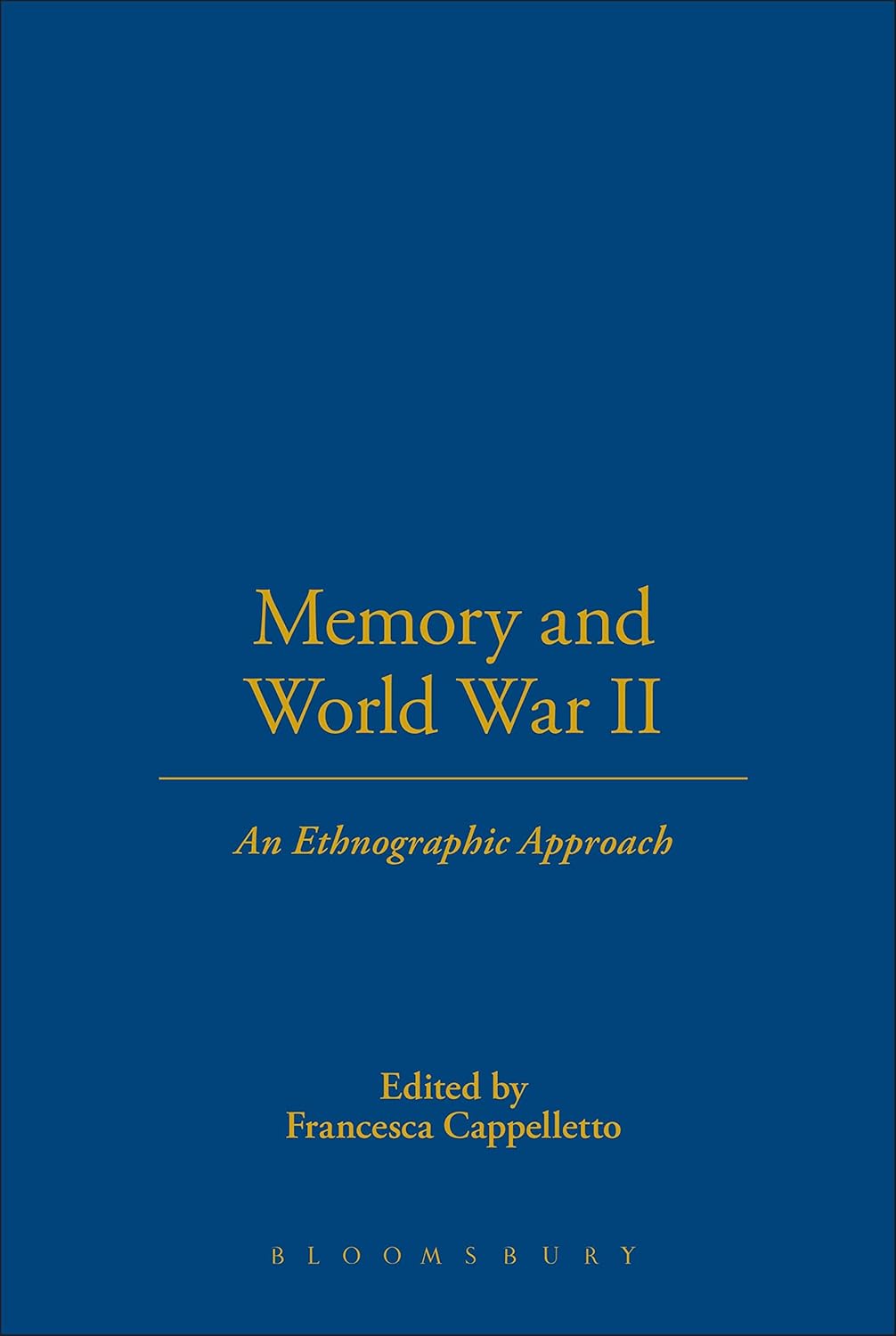
Memory and World War II: An Ethnographic Approach - of Local Trauma
Memory and World War II: An Ethnographic Approach - of Local Trauma
Price subject to change. Tap below for current.
Couldn't load pickup availability
In this review of Memory and World War II: An Ethnographic Approach the reviewer recommends the book for readers who want a careful, local-level study of how wartime violence shapes memory across Europe; the single biggest reason to read it is its focus on the fine line between private testimony and public history, which makes the book especially useful for scholars and thoughtful general readers. The collection takes a long-term perspective on trauma after World War II and brings together international voices that challenge simple ideas of collective memory while showing how communities reconstruct experience.
Key Features
- Local-level focus: Essays concentrate on community and personal testimony to show how memory is lived and transmitted within towns and regions rather than only in national narratives.
- Comparative European scope: Contributors address experiences from East to West Europe, offering varied perspectives that highlight regional differences in remembering violence.
- Long-term perspective: The book traces memory and trauma across decades, helping readers see how immediate wartime events become reframed by later generations.
- Interdisciplinary voices: International contributors from multiple disciplines provide methodological variety and grounding in ethnographic practice.
- Focus on transformation: Chapters explore whether and how memories of extreme violence can be socially transformed, offering implications for reconciliation and historiography.
Who It's For
This book is aimed at historians, anthropologists, ethnographers, and graduate students who want a nuanced, evidence-based discussion of memory and violence after World War II; its emphasis on testimony and local case studies suits researchers focused on oral history and social memory. It is also valuable to educated readers interested in how communities process trauma beyond headlines and national mythmaking.
Readers seeking a concise textbook or a narrative wartime history should look elsewhere, since the volume is an edited, scholarly collection that prioritizes analysis of memory practices over a chronological military account.
Pros & Cons
Pros
- Strong emphasis on primary testimony and ethnographic detail provides concrete examples of how memory functions at the local level.
- Comparative essays expand understanding across European contexts, avoiding a single national lens.
- Interdisciplinary contributors bring varied methodological tools that enrich interpretations of trauma and remembrance.
Cons
- The edited collection format means chapters vary in style and depth, which may feel uneven to readers expecting a unified argument.
Specifications
| Title | Memory and World War II: An Ethnographic Approach |
| Editor/Author | Francesca Cappelletto |
| Coverage | European experiences from East to West |
| Approach | Ethnographic, long-term study of trauma and memory |
| Focus | Local memory, personal testimony, social transformation |
| Contributors | International scholars from multiple disciplines |
Our Verdict
Memory and World War II is a thoughtful and sober collection that will reward readers who want to understand how wartime violence becomes encoded in local memory; its ethnographic case studies and comparative frame make it a good value for specialists and engaged general readers interested in testimony, trauma, and the relationship between private recollection and public history.
Frequently Asked Questions
Does this book cover a single country?
Answer. No, the volume compares experiences across East and West Europe through local case studies rather than focusing on one nation.
Is this book primarily academic or accessible to general readers?
Answer. The collection is scholarly and best suited to students and readers comfortable with academic essays, though motivated general readers will find the testimonies and themes accessible.
Does the book offer solutions for reconciliation?
Answer. Chapters explore whether memories of extreme violence can be socially transformed, offering discussion and implications rather than prescriptive solutions.
Editor's Take
A thoughtful, ethnographic collection that examines how World War II violence is remembered at the local level; recommended for scholars and engaged readers who want nuanced, testimony-based analysis.

Recently viewed
Recently viewed products will appear here as customers browse the store.