

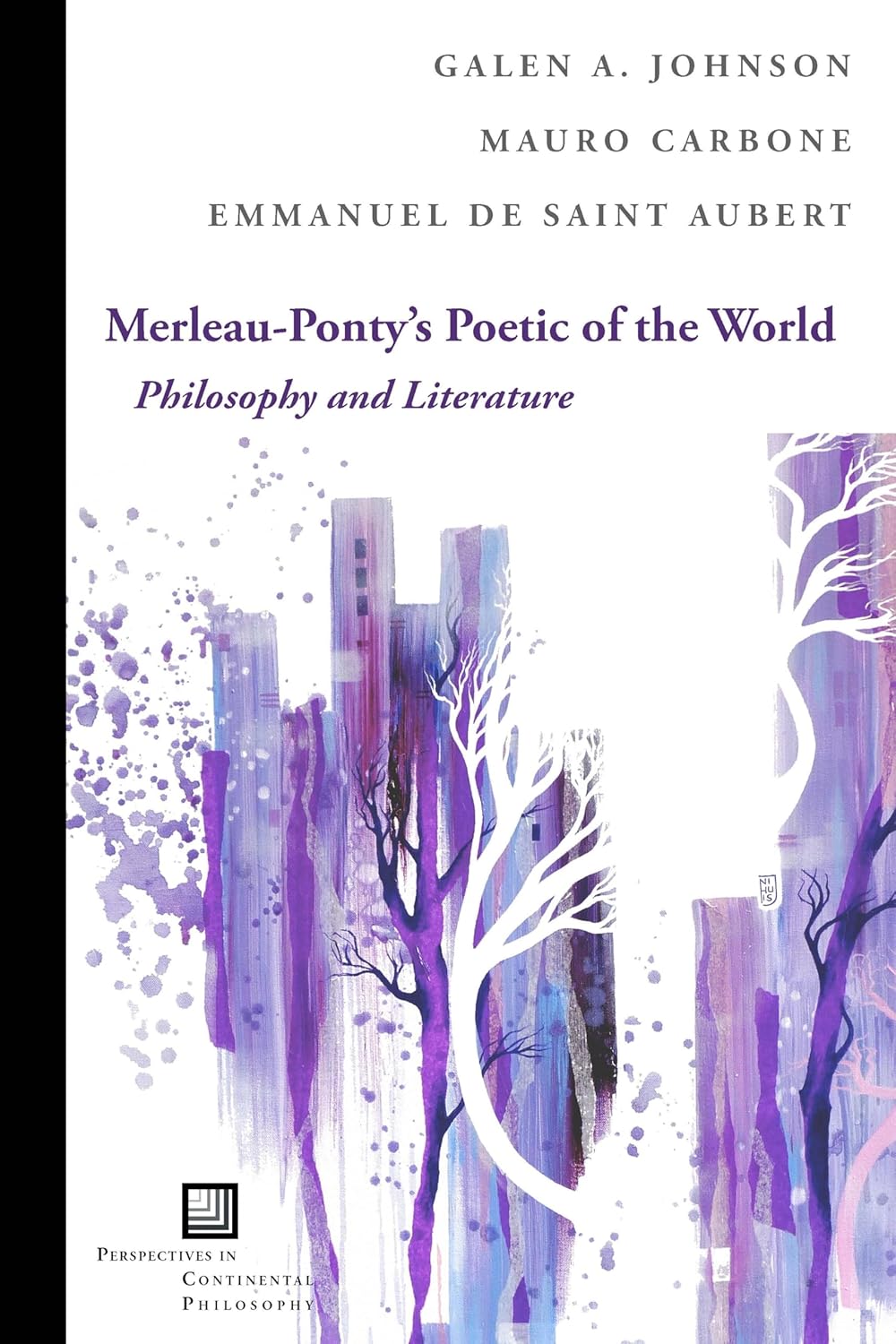
Merleau-Ponty's Poetic of the World: Philosophy and Literature
Merleau-Ponty's Poetic of the World: Philosophy and Literature
Price subject to change. Tap below for current.
Couldn't load pickup availability
In this review of Merleau-Ponty's Poetic of the World: Philosophy and Literature the focus is on readers interested in the intersection of phenomenology and literary study. The book rebalances Merleau-Ponty scholarship by centering his engagement with writers such as Proust, Valery, and Claudel, and the single biggest reason to read it is its careful argument that Merleau-Ponty develops a distinctive poetic of the flesh that links language, perception, and embodiment. This review assesses clarity, scope, and usefulness for scholars and advanced students of continental philosophy and literary theory.
Key Features
- Focus on literature: The book shifts attention from visual art to Merleau-Ponty's extended readings of writers, showing how literature shapes his thought.
- Close readings: Detailed engagement with figures like Proust and Valery reveals how specific texts inform concepts such as sensible ideas and implex.
- Thematic clarity: It argues for three central motifs in Merleau-Ponty's poetic: the flesh, mystery, and the visible in relation to the invisible.
- Conceptual synthesis: The book connects literary insight to key phenomenological themes like co-naissance and the chiasma, useful for comparative work.
- Scholarly tone: The analysis is rigorous and aimed at readers who want a serious philosophical treatment rather than an introductory overview.
Who It's For
The primary audience is scholars, graduate students, and advanced undergraduates in phenomenology, continental philosophy, and comparative literature who want a focused study of Merleau-Ponty's relation to major literary figures. It is especially valuable for researchers tracing how literary motifs feed into Merleau-Ponty's philosophical vocabulary.
Readers seeking a general introduction to Merleau-Ponty or a broad survey of aesthetics for beginners should look elsewhere, since the book presumes familiarity with phenomenological terms and primary texts and is not a primer for novices.
Pros & Cons
Pros
- Rich textual engagement that illuminates how specific authors shape Merleau-Ponty's ideas.
- Clear articulation of a poetic of mystery and the interrelation of visible and invisible in his thought.
- Useful for interdisciplinary work linking philosophy and literature because of its comparative emphasis.
Cons
- Density and specialist vocabulary may limit accessibility for non-specialist readers.
Specifications
| Title | Merleau-Ponty's Poetic of the World: Philosophy and Literature |
| Series | Perspectives in Continental Philosophy |
| Authors / Editors | Galen A. Johnson, Mauro Carbone, Emmanuel de Saint Aubert |
| Primary themes | Phenomenology, literature, aesthetics, sensible ideas, co-naissance |
| Key literary figures discussed | Proust, Claudel, Valery |
| Central claim | A poetic of the flesh linking visible and invisible |
Our Verdict
Merleau-Ponty's Poetic of the World is a worthwhile purchase for readers who already work with phenomenology or literary theory and want a focused, conceptually rich account of Merleau-Ponty's engagement with literature. Its close readings and thematic synthesis make it good value for scholars seeking to deepen their understanding of how literature informs a central continental philosopher.
Frequently Asked Questions
Does the book focus on visual art?
No. The book deliberately shifts attention away from visual art toward Merleau-Ponty's extensive engagement with literature.
Which authors are central to the analysis?
The study concentrates on writers such as Proust, Claudel, and Valery and shows how they inform Merleau-Ponty's concepts.
Is this suitable for beginners?
Not really; the work assumes familiarity with phenomenological terminology and primary texts and is best for advanced students and scholars.
Editor's Take
A focused, conceptually rich study that argues Merleau-Ponty develops a poetic of the flesh through literary engagement; best for scholars and advanced students of phenomenology.

Recently viewed
Recently viewed products will appear here as customers browse the store.