

Metamorphosis: Preaching After Christendom - A Pastor's
Metamorphosis: Preaching After Christendom - A Pastor's
Price subject to change. Tap below for current.
Couldn't load pickup availability
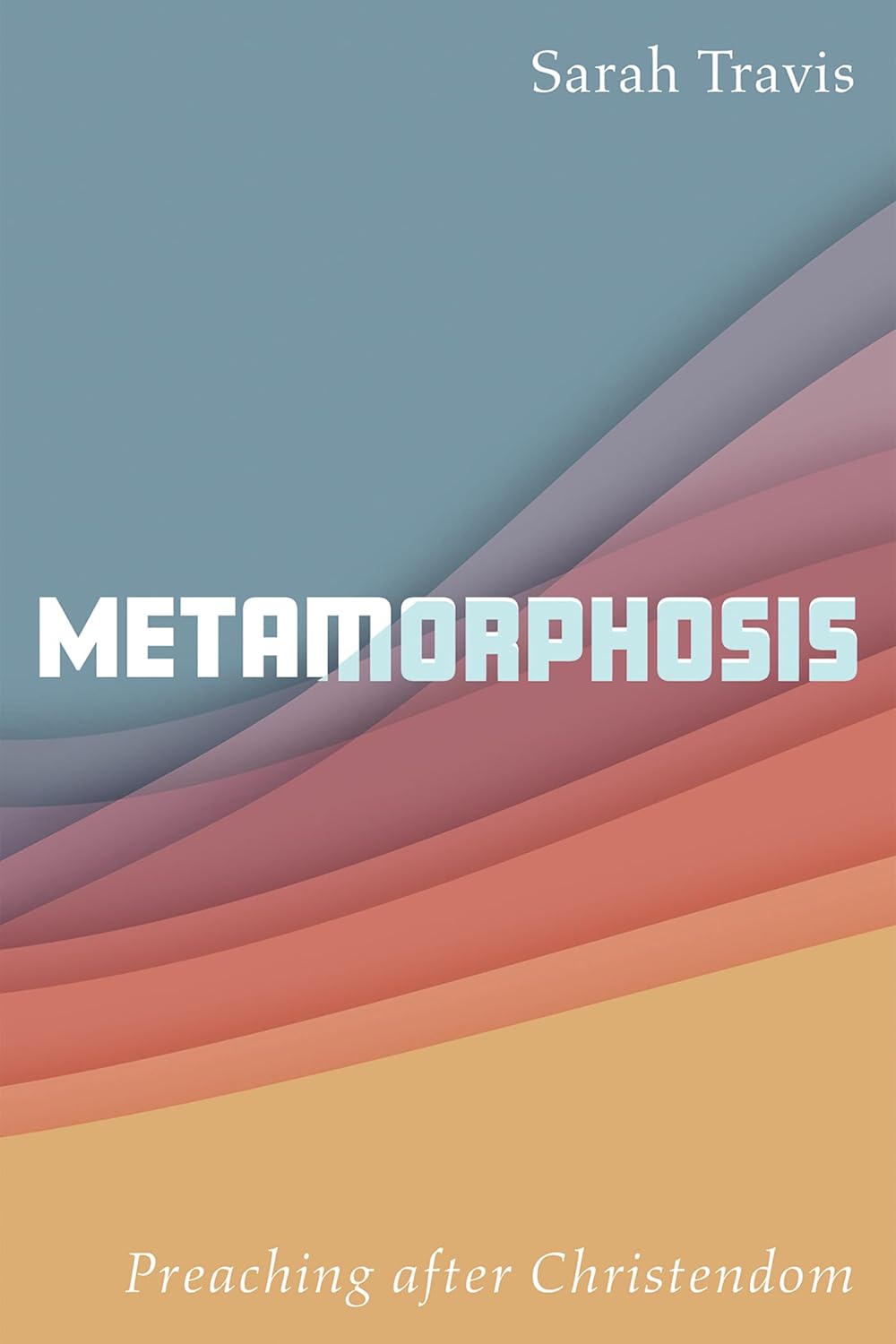
In this review of Metamorphosis: Preaching After Christendom, the author Sarah Travis offers a clear, thoughtful argument for how preachers should respond to the decline of Christendom. The book is aimed squarely at pastors, church leaders, and homiletics students wrestling with anxiety about shrinking congregations and cultural marginalization. The biggest reason to read it is that it reframes decline not as defeat but as an opportunity for faithful witness, urging an identity built on vulnerability and incarnation rather than institutional power.
Key Features
- Post-Christendom focus: The book directly addresses the tangible challenges of declining participation and decreased influence, helping leaders name the cultural shift they face.
- Practical preaching counsel: Travis offers guidance for sermons that respond to contemporary despair and cast a hopeful vision for an uncertain future.
- Theological reorientation: The work argues for exiting a power-focused Christendom ecclesiology and embracing a posture of vulnerability and incarnation.
- Narrative change: It shows how preachers can change the story congregations tell about loss, failure, and marginalization to find gospel meaning in those realities.
- Ecclesial identity work: The book encourages concrete reflection on pastoral and communal identity when institutional permanence can no longer be assumed.
Who It's For
This book is best for ministers, pastoral staff, seminary students, and church leaders in North America who are directly facing shrinking attendance, reduced resources, and questions about the church's public role. It speaks to those who want theological and homiletical frameworks to shepherd congregations through uncertainty.
Readers looking for a how-to manual for church growth metrics, programmatic fundraising tactics, or denominational policy work should look elsewhere; Travis focuses on preaching and identity rather than administrative strategies.
Pros & Cons
Pros
- Provides a compassionate theological framework for responding to decline rather than denying it.
- Offers actionable homiletic direction for sermons that address despair and offer hope.
- Reframes failure and marginalization as potential goods for faithful Christian witness.
Cons
- Not a practical operations guide for church administration or growth planning, so leaders needing those tools may need supplemental resources.
Specifications
| Title | Metamorphosis: Preaching After Christendom |
| Author | Sarah Travis |
| Primary topic | Preaching and post-Christendom ecclesiology |
| Geographic focus | North America |
| Key themes | Vulnerability, incarnation, decline, narrative change |
| Intended audience | Pastors, church leaders, homiletics students |
Our Verdict
Metamorphosis: Preaching After Christendom is a timely, theologically grounded resource that helps preachers reinterpret decline as a context for faithful witness. Pastors and homiletics students will find it good value for reshaping sermon practice and congregational identity, though leaders seeking operational church-growth tactics will need other guides.
Frequently Asked Questions
Does this book offer sermon examples?
It focuses on homiletical principles and pastoral guidance rather than providing full sermon manuscripts.
Is it practical for small or marginalized congregations?
Yes; the book specifically reframes failure and marginalization as contexts where incarnation and vulnerability can shape identity.
Who should not buy this book?
Those seeking step-by-step administrative strategies or fundraising techniques should look for additional resources beyond this theological and preaching-focused work.
Editor's Take
Metamorphosis is a timely, theologically grounded guide for pastors and homiletics students that reframes decline as an opportunity for faithful witness, useful for reshaping sermon practice though not an operations manual.

Recently viewed
Recently viewed products will appear here as customers browse the store.