

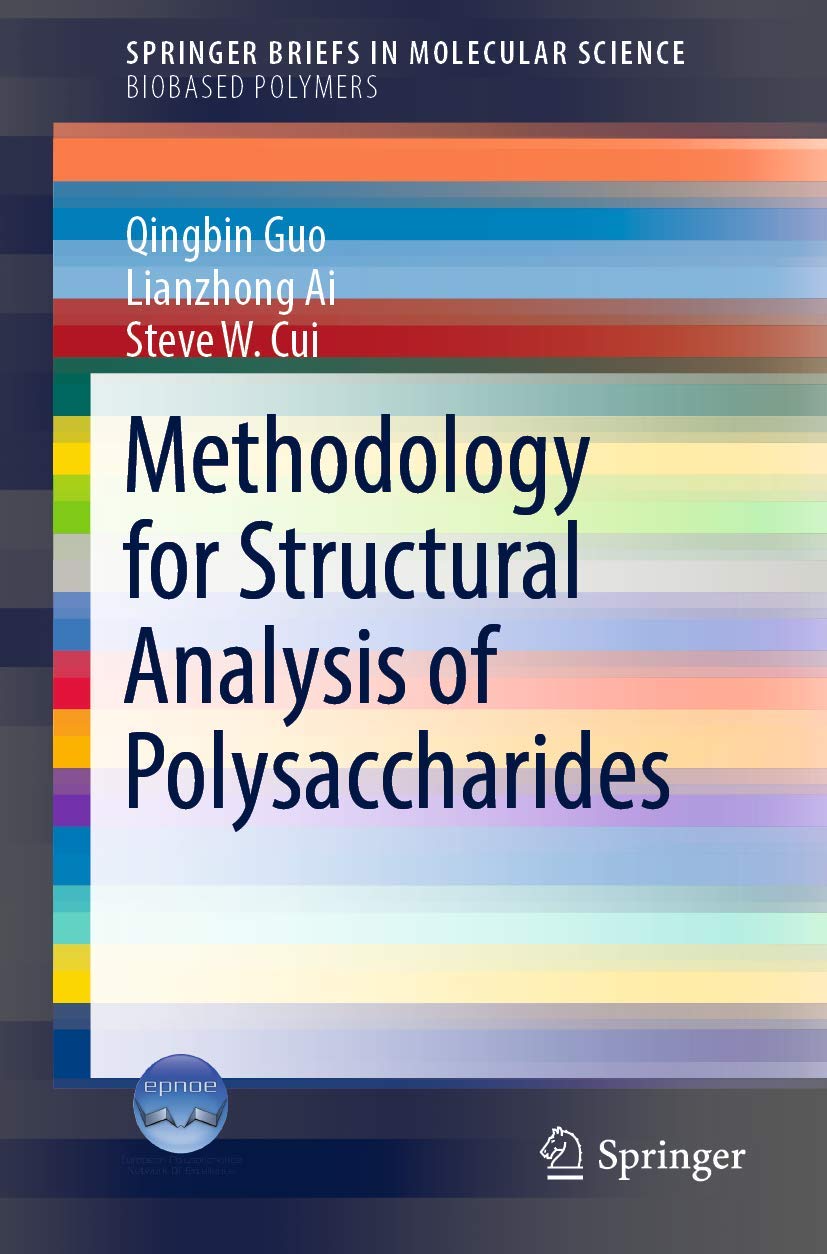
Methodology for Structural Analysis of Polysaccharides - Analytical
Methodology for Structural Analysis of Polysaccharides - Analytical
Price subject to change. Tap below for current.
Couldn't load pickup availability
In this review of Methodology for Structural Analysis of Polysaccharides the bottom line is clear: this compact technical brief is best for advanced students and researchers who need a focused guide to analytical approaches for polysaccharide characterization. The author team brings both academic and industry perspective, and the book's single biggest reason to buy is its practical emphasis on data interpretation across techniques such as methylation analysis, 1D and 2D NMR, and MALDI-TOF MS. For those seeking an applied methods reference rather than a broad textbook, this review finds it a strong, workbench-ready resource.
Key Features
- Focused methodology: Concentrates on analytical workflows and interpretation to help practitioners move from raw data to structural conclusions.
- Technique coverage: Explains core methods including monosaccharide composition, methylation analysis, and mass spectrometry so readers can compare approaches.
- NMR guidance: Provides practical notes on both 1D and 2D NMR that support structural assignment of complex sugar linkages.
- Industry perspective: Written by authors with academic and industrial experience, giving examples relevant to both research labs and product development.
- Compact format: A brief, concentrated text that makes it easy to reference specific analytical steps without wading through general background.
Who It's For
The book is aimed primarily at advanced undergraduates, academic researchers and industrial scientists who are actively studying or using biobased polymers and need a hands-on methods guide. It is especially useful for those who already have basic chemistry background and wish to deepen their skills in structural analysis.
Those seeking a beginner textbook on carbohydrate chemistry or a broad survey of polysaccharide biology should look elsewhere; this brief assumes familiarity with core concepts and focuses on practical analytical techniques and data interpretation.
Pros & Cons
Pros
- Concise, method-centered writing that makes it simple to locate procedural and interpretive guidance.
- Good balance of techniques, including MALDI-TOF MS and methylation analysis, enabling cross-method comparisons.
- Useful for both academic research and industrial analytical workflows due to the authors' combined perspectives.
Cons
- Not a comprehensive textbook on polysaccharide theory; readers need prior background to fully benefit.
Specifications
| Title | Methodology for Structural Analysis of Polysaccharides |
| Series | SpringerBriefs in Molecular Science |
| Authors | Qingbin Guo, Lianzhong Ai, Steve Cui |
| Primary focus | Analytical techniques and data interpretation for polysaccharides |
| Highlighted methods | Monosaccharide composition, methylation analysis, NMR, MALDI-TOF MS |
| Intended audience | Advanced undergraduates, academic and industrial researchers |
Our Verdict
Methodology for Structural Analysis of Polysaccharides is a compact, practical reference that delivers high value for researchers and professionals who need clear analytical workflows and interpretation tips. It is worth buying for labs that run carbohydrate structural analysis and for graduate students preparing to perform or evaluate methods, but it is not a substitute for an introductory carbohydrate chemistry textbook.
Frequently Asked Questions
Does this book cover experimental protocols?
It emphasizes analytical methodology and interpretation rather than step-by-step lab protocols, so expect conceptual guidance and examples more than detailed bench instructions.
Is NMR discussed in depth?
Yes, both 1D and 2D NMR are treated with practical notes aimed at structural assignment of polysaccharides.
Who benefits most from this book?
Advanced undergraduates, graduate students, and industrial or academic researchers working with biobased polymers will gain the most from the focused methods coverage.
Editor's Take
A compact, practical reference for researchers and advanced students needing clear analytical workflows and interpretation for polysaccharide structural analysis; valuable for labs but not an introductory textbook.

Recently viewed
Recently viewed products will appear here as customers browse the store.