

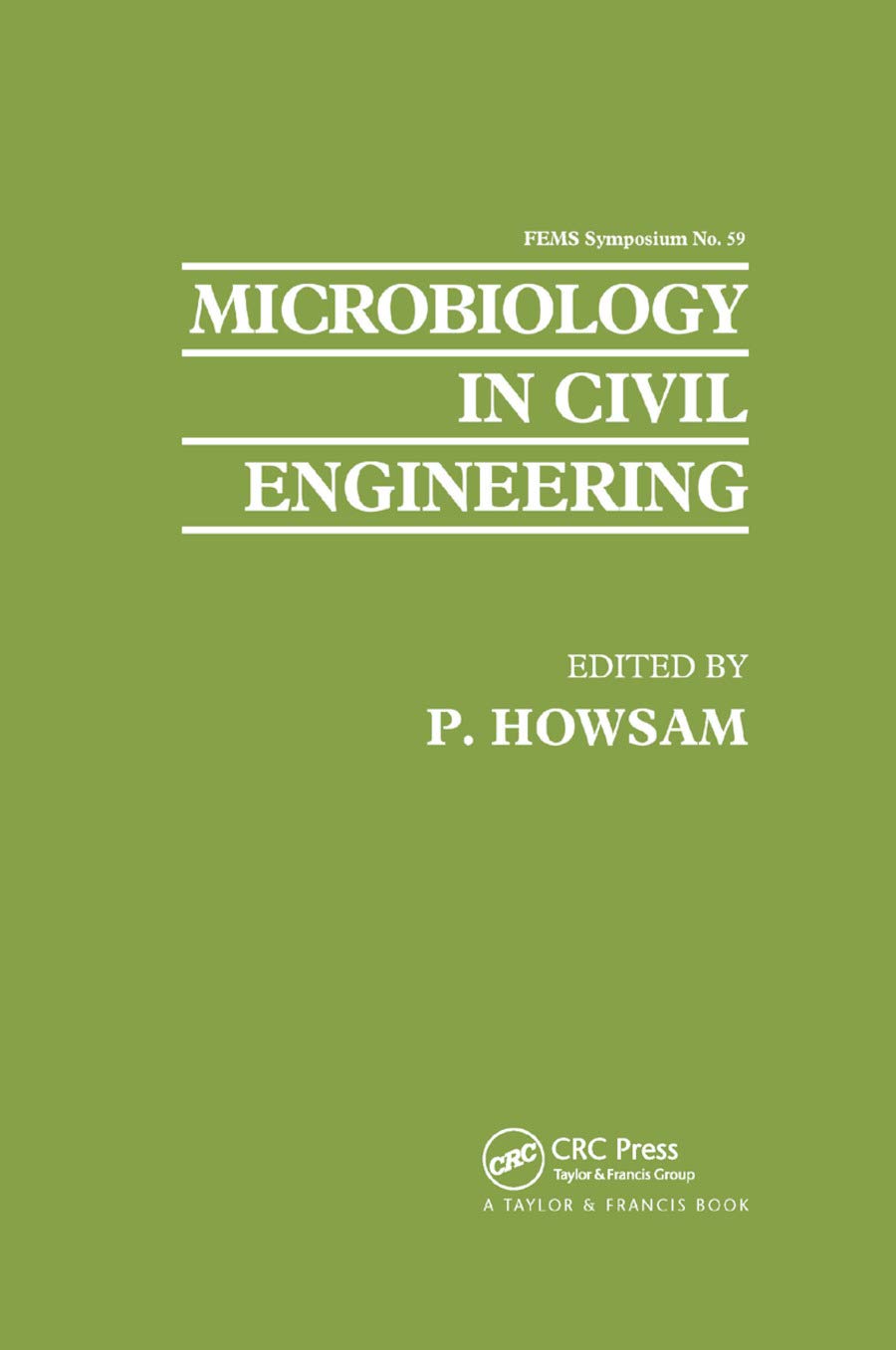
Microbiology in Civil Engineering: Fems Symposium Proceedings
Microbiology in Civil Engineering: Fems Symposium Proceedings
Price subject to change. Tap below for current.
Couldn't load pickup availability
In this review of Microbiology in Civil Engineering the book is recommended for engineers and researchers who need a focused, conference-based survey of applied microbiology in civil contexts; its single biggest value is gathering expert proceedings that link microbial processes to concrete, soil and water engineering problems. The reviewer finds the collection most useful as a reference for understanding biodeterioration, biofouling and subsurface microbiological effects rather than as a textbook for novices, and notes the emphasis on bridging laboratory microbiology with field engineering practice.
Key Features
- Conference proceedings compilation: Brings together papers presented at a Federation of European Microbiological Societies symposium to provide diverse expert perspectives on microbiology applied to civil engineering.
- Applied focus: Emphasises practical issues such as biodeterioration of concrete and biofouling in embankment dams to help engineers recognise biological causes of structural problems.
- Interdisciplinary perspective: Encourages interaction between microbiologists and civil engineers so biochemical advances can be extrapolated to construction and environmental practice.
- Field relevance: Covers real-world problems like clogging of boreholes and irrigation systems so readers can identify microbial processes in operational settings.
- Reference value: Serves as a compact reference for environmental and public health engineers who need condensed symposium findings rather than a lengthy monograph.
Who It's For
This book is aimed at practicing civil engineers, environmental engineers, and researchers who already have basic engineering knowledge and want a targeted review of microbiological effects on materials, soils and water systems. It is particularly useful for professionals dealing with maintenance of concrete structures, dam safety, groundwater abstraction and irrigation infrastructure who need to recognise biological contributors to degradation and operational issues.
It is less suitable for undergraduate students seeking an introductory textbook or for readers expecting step-by-step laboratory protocols; the content assumes familiarity with engineering concepts and accepts the symposium format rather than providing exhaustive background in microbiology.
Pros & Cons
Pros
- Consolidates expert symposium papers into one reference that highlights practical engineering impacts of microbial activity.
- Directly addresses engineering problems such as biodeterioration, clogging and biofouling that are commonly underappreciated by engineers.
- Promotes useful interdisciplinary dialogue by translating applied microbiology advances into civil engineering contexts.
Cons
- As proceedings, the book can be uneven in depth and assumes prior technical knowledge rather than serving as an introductory text.
Specifications
| Title | Microbiology in Civil Engineering: Proceedings of the FEMS Symposium |
| Series | FEMS Symposium, 59 |
| Editor / Brand | P. Howsam |
| Format | Conference proceedings / reference volume |
| Subject focus | Applied microbiology in civil engineering contexts |
| Key topics | Biodeterioration, biofouling, clogging, soil and rock alteration |
Our Verdict
Microbiology in Civil Engineering is a compact, practical proceedings volume that civil and environmental engineers will find valuable for diagnosing and thinking about biological causes of material and operational failures. It offers good value as a reference that connects laboratory advances to field problems, though readers seeking introductory material or standardized methods should complement it with textbooks or protocol guides.
Frequently Asked Questions
Does this book explain microbiological testing methods?
Answer. The proceedings emphasise applied findings and engineering implications rather than detailed laboratory protocols, so it is better as a reference than a methods manual.
Is this suitable for nonengineers?
Answer. Nonengineers may find the technical framing challenging; it is intended for readers with engineering or environmental science background.
What engineering problems are covered?
Answer. Topics include biodeterioration of concrete, alteration of soil and rock properties, clogging of boreholes and irrigation systems, and biofouling in embankment dams.
Editor's Take
A compact, practical proceedings volume that links applied microbiology to civil engineering problems; valuable for practitioners diagnosing biodeterioration and biofouling, though not an introductory textbook.

Recently viewed
Recently viewed products will appear here as customers browse the store.