Regular price
$190.00 USD
Price subject to change. Tap below for current.
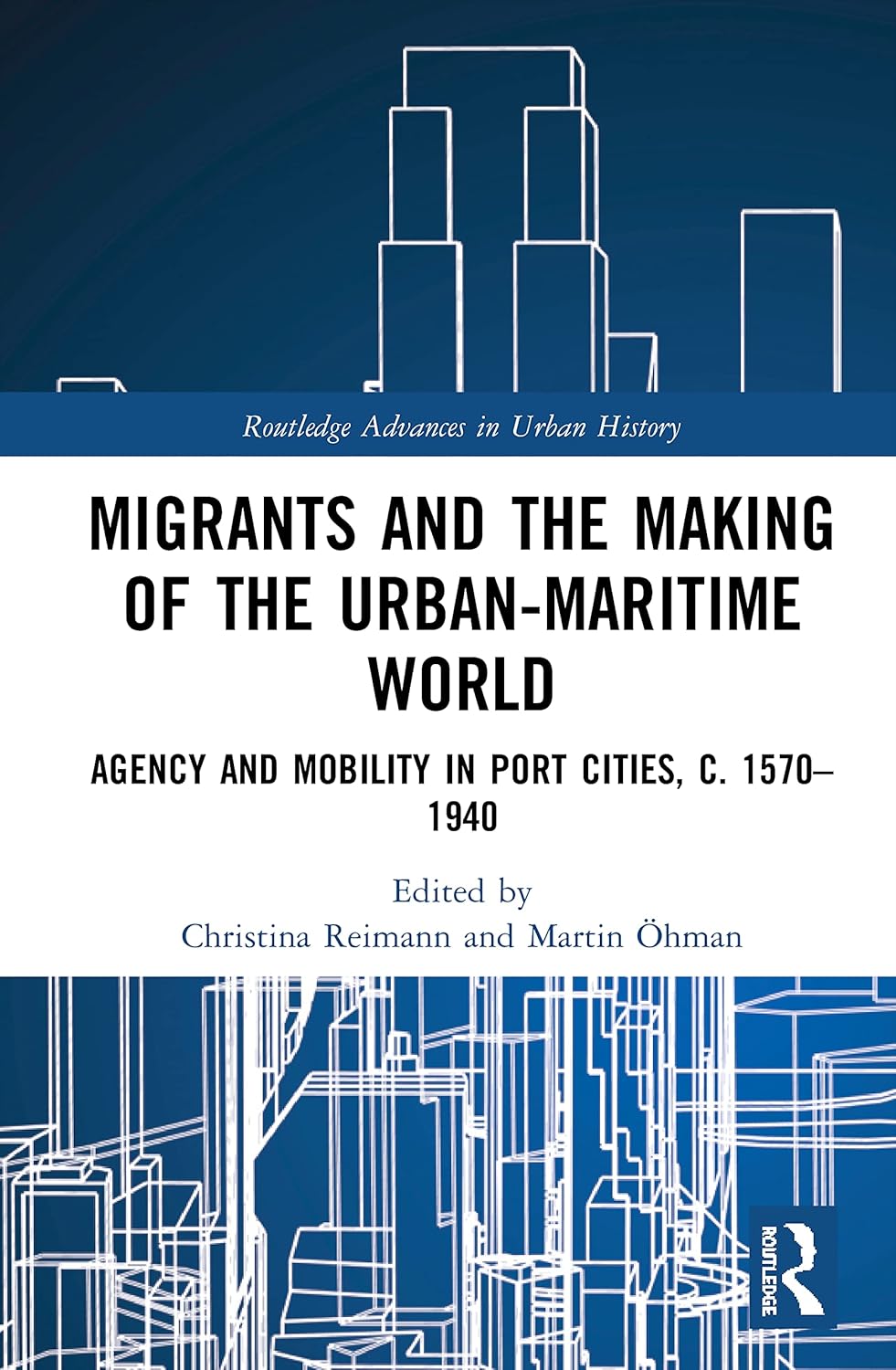
The book Migrants and the Making of the Urban-Maritime World offers a profound exploration of the intricate relationship between migration and urban development in maritime contexts. Authored by Christina Reimann and Martin Ohman, this insightful volume delves into how migrants have shaped urban landscapes along coastlines and waterways.
In this compelling narrative, the authors examine various case studies that highlight the role of migrants in transforming cities into vibrant hubs of cultural exchange and economic activity. The book emphasizes the significance of maritime migration, showcasing how these movements have influenced urban planning and social dynamics.
One of the key themes presented is the concept of the urban-maritime world, which refers to the interconnectedness of coastal cities and their reliance on maritime routes for trade and communication. Reimann and Ohman argue that understanding this relationship is crucial for grasping the complexities of modern urbanization.
The authors also address the challenges faced by migrants in urban settings, including issues of integration, identity, and access to resources. Through their research, they shed light on the resilience of migrant communities and their contributions to the cultural fabric of cities.
Moreover, the book provides a historical perspective, tracing the evolution of maritime migration from past to present. This historical context enriches the reader's understanding of current trends and the ongoing impact of migration on urban environments.
With its comprehensive approach, Migrants and the Making of the Urban-Maritime World serves as an essential resource for scholars, students, and anyone interested in the intersections of migration, urban studies, and maritime history. The authors' meticulous research and engaging writing style make this book both informative and accessible.
In conclusion, this work is a significant contribution to the field of urban history, offering valuable insights into the role of migrants in shaping the urban-maritime landscape. It invites readers to reconsider the narratives surrounding migration and urbanization, emphasizing the need for inclusive policies that recognize the contributions of all communities.