

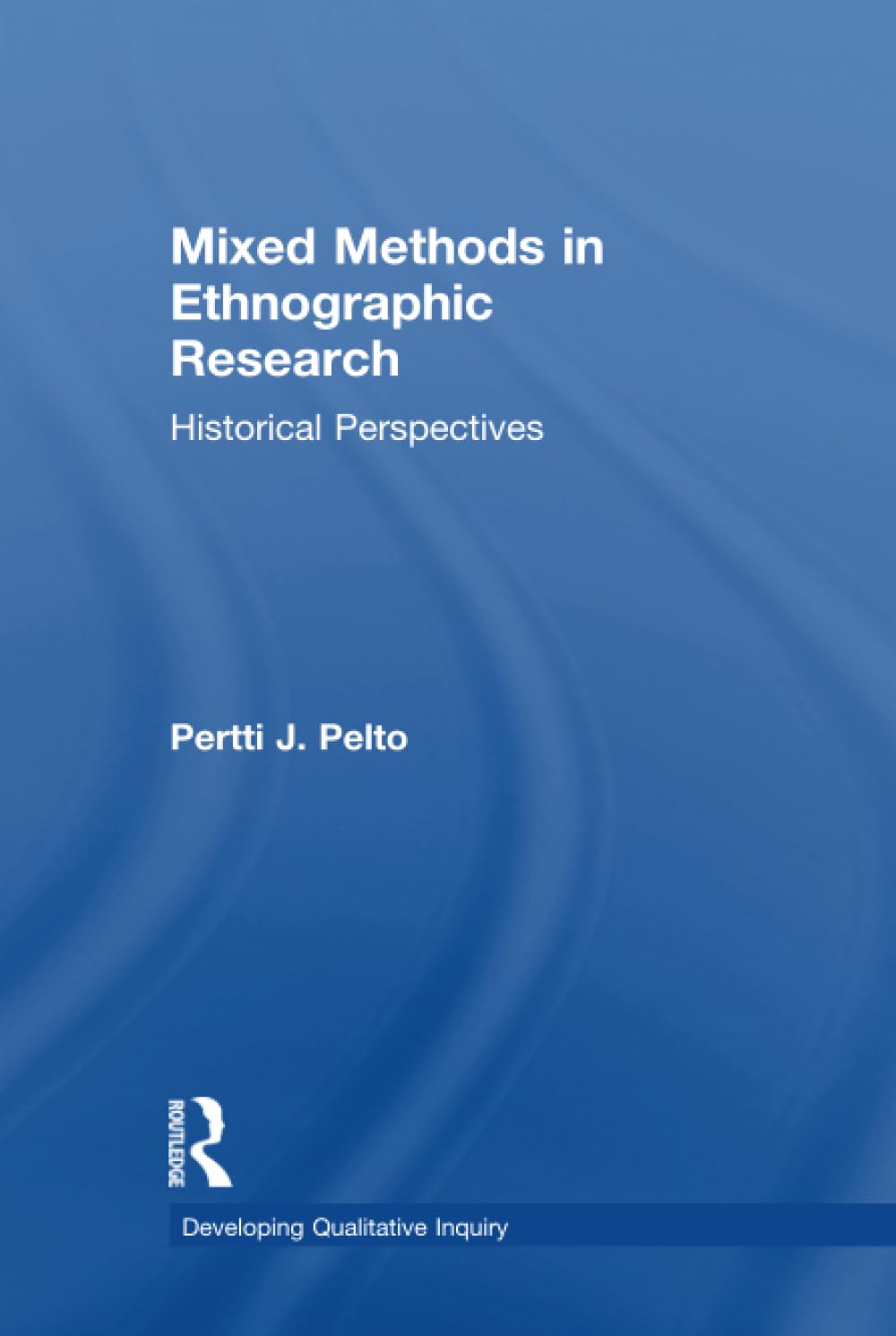
Mixed Methods in Ethnographic Research - Historical Perspectives
Mixed Methods in Ethnographic Research - Historical Perspectives
Price subject to change. Tap below for current.
Couldn't load pickup availability
In this review of Mixed Methods in Ethnographic Research: Historical Perspectives, the verdict is straightforward: this is a thoughtful, reflective book for researchers who want a deeper understanding of how qualitative and quantitative approaches came to be integrated in ethnography. Pertti Pelto traces the history and evolution of mixed methods through personal experience and scholarly reflection, making the book most valuable to graduate students, methodologists, and seasoned ethnographers looking for context and practical insight into improved data gathering.
Key Features
- Historical perspective: Pelto outlines the development of mixed methods across decades, helping readers situate contemporary practice in a broader intellectual lineage.
- Personal reflection: The narrative of personal discovery gives concrete examples of methodological choices and the reasoning behind them, illuminating how theory and practice intersect.
- Integration focus: The book explicitly connects early ethnographic examples to modern mixed methods debates, clarifying how integration can improve research quality.
- Methodological clarity: Readers gain a clearer sense of when and why to combine qualitative and quantitative tools, aimed at improving practical data gathering.
- Accessible narrative: The prose balances scholarly insight with reflective storytelling, making complex methodological history easier to follow for non-specialists.
Who It's For
This book is best for graduate students, academic researchers, and practicing ethnographers who want a historically grounded explanation of mixed methods and practical reflection on combining approaches. It works well as a supplementary text in methods courses or as a desk reference for those designing studies that bridge qualitative and quantitative work.
Those seeking a step-by-step textbook or a handbook of statistical techniques should look elsewhere; the emphasis here is on historical perspective and methodological reasoning rather than prescriptive procedures or software tutorials.
Pros & Cons
Pros
- Provides a rare historical lineage that links early ethnography to current mixed methods conversations.
- Offers thoughtful personal reflections that clarify methodological decisions in real research contexts.
- Emphasizes quality of practical data gathering, useful for improving study design.
Cons
- Not a how-to manual; readers needing stepwise technical instruction may find it lacks procedural detail.
Specifications
| Title | Mixed Methods in Ethnographic Research: Historical Perspectives |
| Author | Pertti J. Pelto |
| Focus | History and development of mixed methods in ethnography |
| Approach | Narrative of personal discovery and scholarly reflection |
| Audience | Researchers, graduate students, methodologists |
| Primary benefit | Improves understanding of integrating qualitative and quantitative methods |
Our Verdict
Mixed Methods in Ethnographic Research is a valuable, reflective account for those who want to understand the intellectual roots and practical rationale for combining qualitative and quantitative approaches. It represents good value for researchers and students seeking depth and context, though it is less suitable for readers wanting a hands-on technical guide.
Frequently Asked Questions
Is this book practical for designing mixed methods studies?
Answer. The book offers practical insight through examples and reflection, but it is not a step-by-step design manual.
Who wrote the book and why does that matter?
Answer. Pertti Pelto, an experienced ethnographer and methodologist, frames the history through personal experience, which helps connect theory to real research choices.
Does it cover quantitative techniques in detail?
Answer. No, the emphasis is historical and conceptual; detailed quantitative technique instruction is outside its scope.
Editor's Take
A reflective, historically grounded guide that helps researchers understand why and how to integrate qualitative and quantitative methods; best for students and methodologists who want context rather than a step-by-step technical manual.

Recently viewed
Recently viewed products will appear here as customers browse the store.