

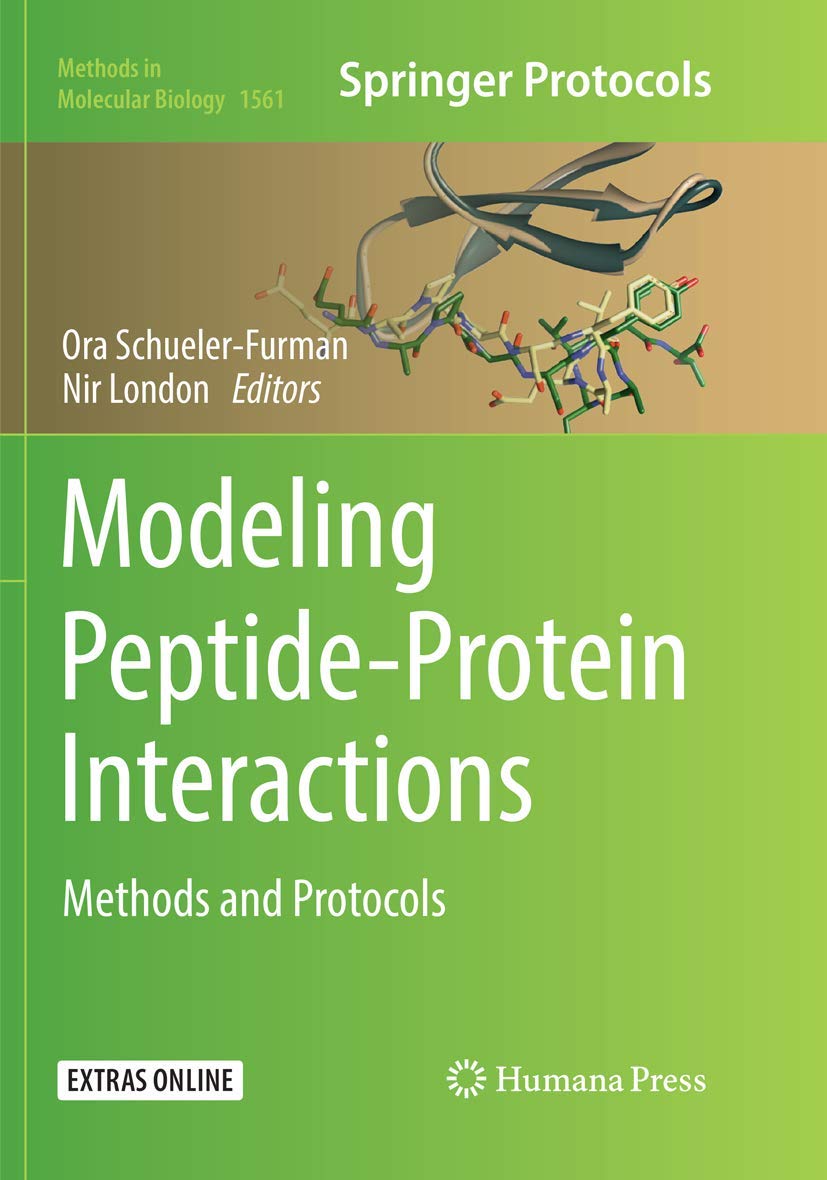
Modeling Peptide-Protein Interactions: Methods and Protocols
Modeling Peptide-Protein Interactions: Methods and Protocols
Price subject to change. Tap below for current.
Couldn't load pickup availability
In this review of Modeling Peptide-Protein Interactions: Methods and Protocols the bottom line is clear: this volume is best for researchers and advanced graduate students who need a practical, method-focused reference for peptide docking and design. The book collects tested protocols and tool-focused chapters that let a reader move from binding site prediction to flexible docking and design workflows, and it is written in the familiar Methods in Molecular Biology format so users get stepwise procedures rather than high-level theory. For anyone implementing peptide-protein experiments or computational pipelines, this book saves time by describing concrete tools and approaches.
Key Features
- Practical protocols: Step-by-step methods guide a reader through experimental and computational workflows so protocols can be adapted for laboratory use.
- Binding site prediction: Coverage of ACCLUSTER and PeptiMap helps users locate likely peptide binding sites before running docking experiments.
- Docking approaches: Descriptions of AnchorDock, ATTRACT, HADDOCK and FlexPepDock present options for blind and flexible peptide docking to proteins.
- Interaction discovery: The LoopFinder chapter explains how to identify loop-mediated protein-protein contacts that may mediate peptide recognition.
- Design tools: The PinaColada workflow shows practical steps for designing peptide binders and tuning binding specificity.
Who It's For
The primary audience is computational structural biologists and experimental molecular biologists who already have familiarity with protein structure and want actionable methods for peptide docking and design. Laboratory scientists running peptide binding or inhibition studies will find the procedural format and tool comparisons especially useful.
It is less suitable for complete beginners seeking general background in protein biophysics or for readers who want broad conceptual surveys without hands-on protocols. Those needing an introductory textbook on protein structure should look elsewhere.
Pros & Cons
Pros
- Focused, stepwise protocols make it straightforward to reproduce suggested workflows in the lab or on the desktop.
- Coverage of multiple, complementary tools gives practical choices for binding site prediction and docking strategies.
- Includes both docking and design perspectives, linking prediction tools to peptide inhibitor design approaches.
Cons
- Assumes prior knowledge of structural biology and computational tools, so it is not a beginner primer.
Specifications
| Title | Modeling Peptide-Protein Interactions: Methods and Protocols |
| Series | Methods in Molecular Biology |
| Editors/Authors | Ora Schueler-Furman, Nir London |
| Topics covered | Binding site prediction, peptide-protein docking, design of specificity, inhibitory peptide design |
| Tools described | ACCLUSTER, PeptiMap, AnchorDock, ATTRACT, HADDOCK, FlexPepDock, LoopFinder, PinaColada |
| Format | Protocol-focused methods volume |
Our Verdict
This Methods in Molecular Biology volume is a practical, well-structured resource for researchers who need tested protocols and tool recommendations for peptide binding prediction, docking and design. It is good value for labs and computational groups ready to implement workflows, though it presumes familiarity with structural methods and software.
Frequently Asked Questions
Does the book include step-by-step protocols?
Yes. The volume is organized around practical, protocol-style chapters designed for implementation in computational and experimental workflows.
Which docking tools are discussed?
Chapters cover AnchorDock, ATTRACT, HADDOCK and FlexPepDock for blind and flexible peptide docking approaches.
Is this suitable for beginners?
Not ideal for complete beginners; the text assumes prior knowledge of protein structure and computational methods.
Editor's Take
This methods volume delivers practical, protocol-driven guidance for peptide binding site prediction, flexible docking and peptide design, making it a strong resource for researchers and labs ready to implement workflows.

Recently viewed
Recently viewed products will appear here as customers browse the store.