

Modelling-based Teaching in Science Education - Practical Curriculum
Modelling-based Teaching in Science Education - Practical Curriculum
Price subject to change. Tap below for current.
Couldn't load pickup availability
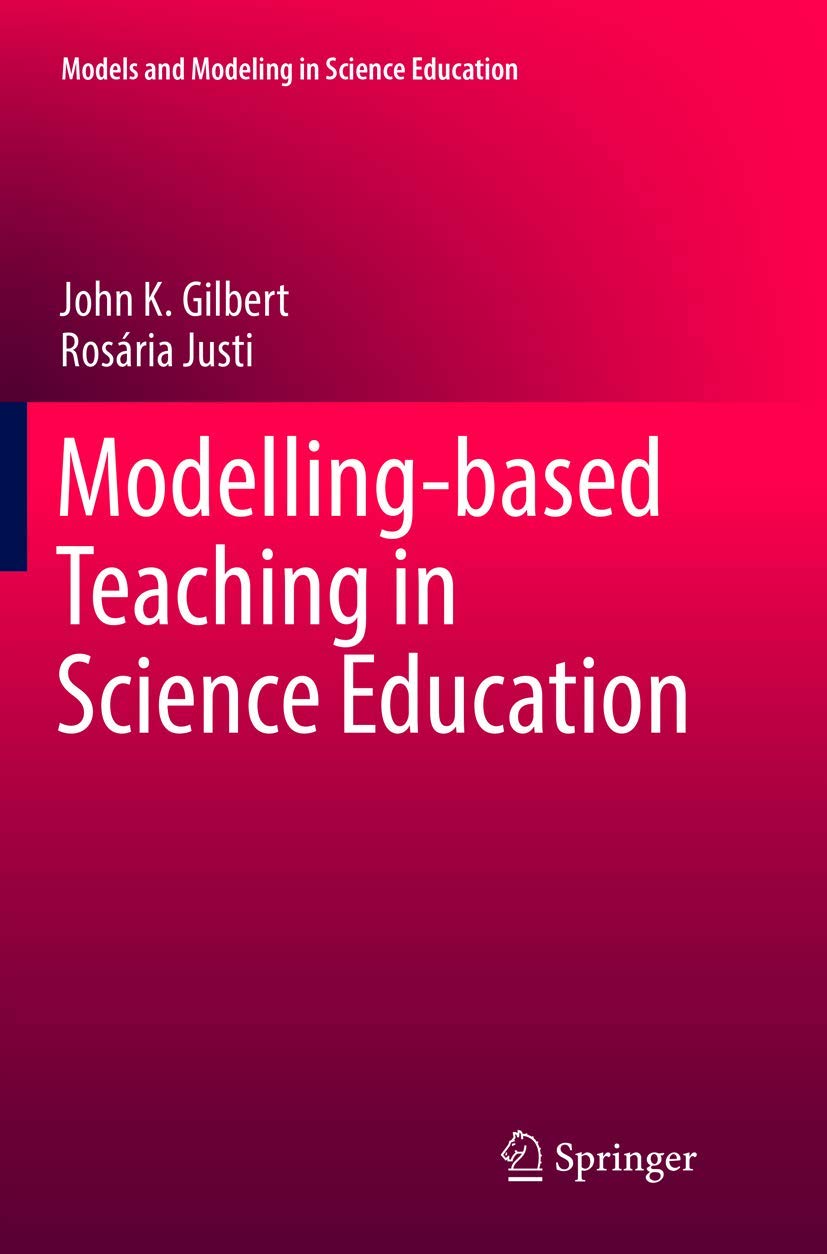
Our review of Modelling-based Teaching in Science Education finds it a thoughtful, practice-focused resource for educators who want to make scientific modelling a classroom staple. The book argues that modelling should be embedded across school curricula and pairs literature review with classroom examples, making it especially useful for curriculum designers and teachers seeking concrete strategies rather than abstract theory.
Key Features
- Comprehensive literature review: Synthesises research on modelling so readers can quickly grasp the scholarly foundations that support modelling-based teaching.
- Model of modelling: Proposes a clear, teachable model of modelling that educators can use to structure lessons and learning progressions.
- Classroom implementation guidance: Explores conditions for successful implementation and illustrates them with practical classroom experience.
- Focus on reasoning and representation: Reviews the roles of argumentation, visualisation, and analogical reasoning to help teachers scaffold student thinking.
- Curriculum design advice: Outlines approaches for designing curricula that progressively build modelling knowledge and skills across grades.
- Connections to nature of science: Shows how modelling-based teaching contributes to both conceptual learning and understanding of how science works.
Who It's For
This book is best for secondary and upper-primary teachers, curriculum developers, teacher educators, and professional development leads who want a research-informed route to introducing or expanding modelling-based instruction in their programmes. It is suited to educators who appreciate both theoretical grounding and concrete classroom examples.
Those seeking quick lesson plans or activity sheets may find the book less immediately ready-to-use; it is stronger on models, conditions, and curriculum framing than on one-off worksheets or scripted lessons.
Pros & Cons
Pros
- Provides a coherent, evidence-based model that helps teachers plan progressive learning in modelling.
- Balances theory with practical classroom illustrations that clarify implementation choices.
- Emphasises key cognitive supports like visualisation and analogical reasoning that improve student learning.
Cons
- Not a collection of ready-made lesson plans, so teachers will need to translate the model into classroom materials.
Specifications
| Title | Modelling-based Teaching in Science Education |
| Series | Models and Modeling in Science Education, 9 |
| Authors | John K. Gilbert, Rosaria Justi |
| Focus | Model of modelling, classroom implementation, curriculum design |
| Key topics | Argumentation, visualisation, analogical reasoning, nature of science |
| Audience | Teachers, curriculum developers, teacher educators |
Our Verdict
Modelling-based Teaching in Science Education is a valuable, well-argued resource for teachers and curriculum planners who want to make modelling central to science learning. It is particularly good value for readers wanting a research-grounded model and practical implementation insights, though those needing plug-and-play lessons will need to develop their own materials from the guidance provided.
Frequently Asked Questions
Does this book include classroom examples?
Yes, it illustrates the model of modelling with practical classroom experience to show how conditions for success play out.
Is it suitable for primary teachers?
It is most directly aimed at upper-primary and secondary teachers, but primary curriculum designers interested in progression can still benefit.
Will it give me ready-made lesson plans?
No, the book focuses on models and curriculum design rather than packaged lesson plans, so teachers should expect to adapt ideas into classroom resources.
Editor's Take
A research-grounded, practical guide for teachers and curriculum designers who want to embed modelling in science education; strong on models and implementation but not a source of ready-made lesson plans.

Recently viewed
Recently viewed products will appear here as customers browse the store.