

Modelling High-level Cognitive Processes - Practical Guide
Modelling High-level Cognitive Processes - Practical Guide
Price subject to change. Tap below for current.
Couldn't load pickup availability
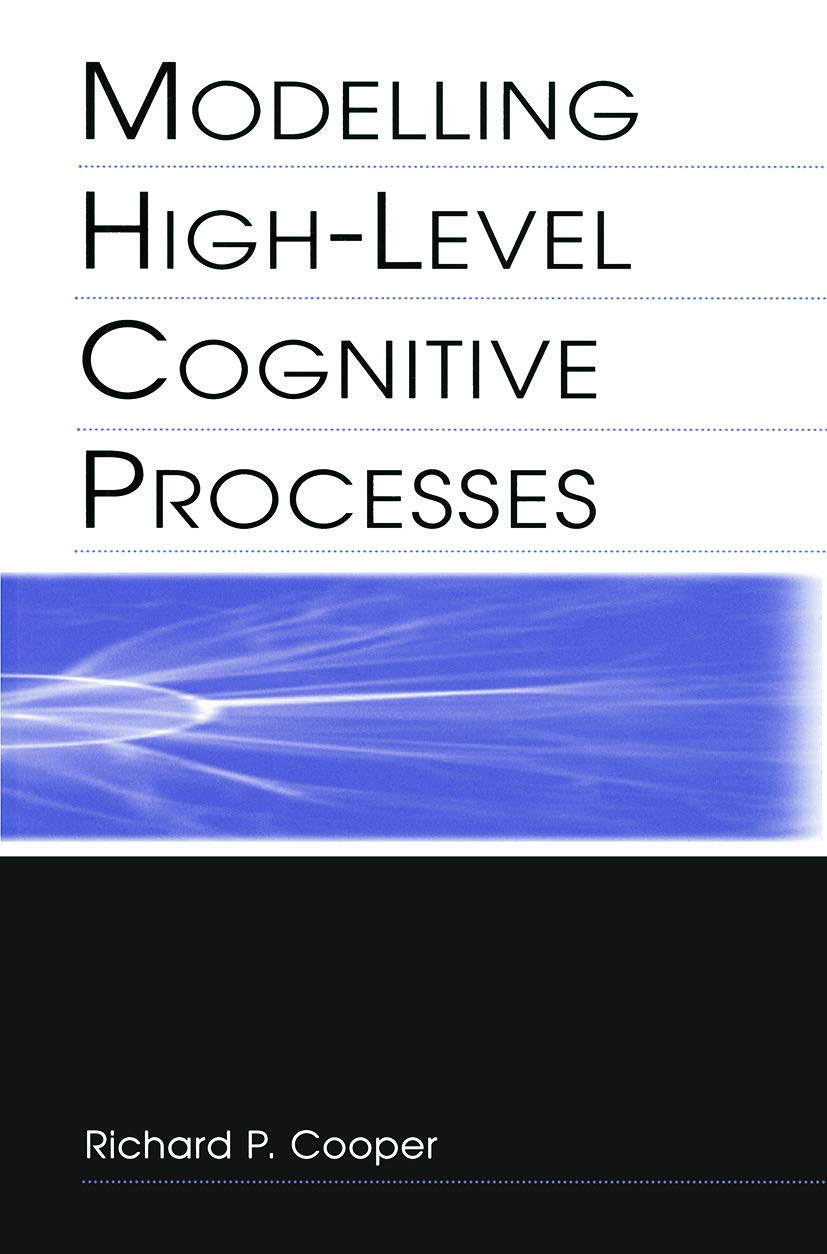
In this review of Modelling High-level Cognitive Processes the bottom line is clear: this book is for students and researchers who need a practical, structured route into building computational models of thinking, reasoning and planning. The reviewer found the book most valuable as a teaching and project resource because it combines foundational discussion with concrete case studies and reflective analysis, making it a useful manual for turning cognitive theory into working models.
Key Features
- Foundational grounding: Part I offers background and conceptual material that helps readers set up modeling lectures and practical sessions with a clear pedagogical structure.
- Case-study driven: Part II contains diverse case studies that demonstrate how to build models across several cognitive domains, providing templates for student projects.
- Reflective synthesis: Part III considers issues raised by the case studies, helping readers generalize lessons and avoid common modeling pitfalls.
- Teaching utility: The arrangement of material supports instructors who want ready-made chapter material for lectures and practicals, saving course design time.
- Project orientation: Chapters in Part II serve as the basis for in-depth student projects, giving hands-on direction for model implementation.
Who It's For
The book is aimed primarily at graduate students, advanced undergraduates and researchers in cognitive science, AI and related fields who need practical instruction on building computational models of high-level cognitive processes such as reasoning and planning. It works well for instructors who want structured lecture material and concrete project outlines for coursework.
Those seeking beginner-level introductions to cognitive psychology without computational focus, or readers looking for detailed software tutorials for specific programming languages, may find this volume less suitable. It emphasizes modeling concepts and case studies rather than step-by-step coding for a single toolchain.
Pros & Cons
Pros
- Practical structure that links foundational issues to concrete model-building tasks for classroom use.
- Case studies spanning several cognitive domains provide varied examples to adapt for research or teaching.
- Reflective chapters help translate case-specific lessons into broader modeling guidance.
Cons
- Not a software tutorial: readers seeking language-specific implementation walkthroughs may need supplementary materials.
Specifications
| Title | Modelling High-level Cognitive Processes |
| Authors / Editors | Richard P. P. Cooper and contributors including David W. Glasspool, Peter G. Yule, John Fox |
| Scope | Foundations, case studies, and reflective analysis of cognitive modeling |
| Primary focus | High-level cognitive processes such as thinking, reasoning and planning |
| Intended use | Teaching, student projects and research guidance |
| Structure | Three parts: background, case studies, and reflection |
Our Verdict
Modelling High-level Cognitive Processes is a practical, well-structured guide for anyone teaching or undertaking computational work on thinking and reasoning. It offers useful case studies and pedagogical material that make it good value for academics and students who want to move from theory to implemented models, though readers will need separate language-specific resources for coding details.
Frequently Asked Questions
Does this book include practical model examples?
Yes. Part II presents a series of case studies that illustrate concrete modelling approaches across cognitive domains.
Is it suitable for classroom use?
Yes. Material in Part I is intended to structure lectures and practical sessions, and chapters in Part II can form student project bases.
Will it teach programming for cognitive models?
No. The text focuses on conceptual and methodological guidance rather than language-specific coding tutorials.
Editor's Take
A practical, well-structured guide for instructors, students and researchers building computational models of thinking and reasoning; strong on case studies and pedagogy but not a language-specific coding tutorial.

Recently viewed
Recently viewed products will appear here as customers browse the store.