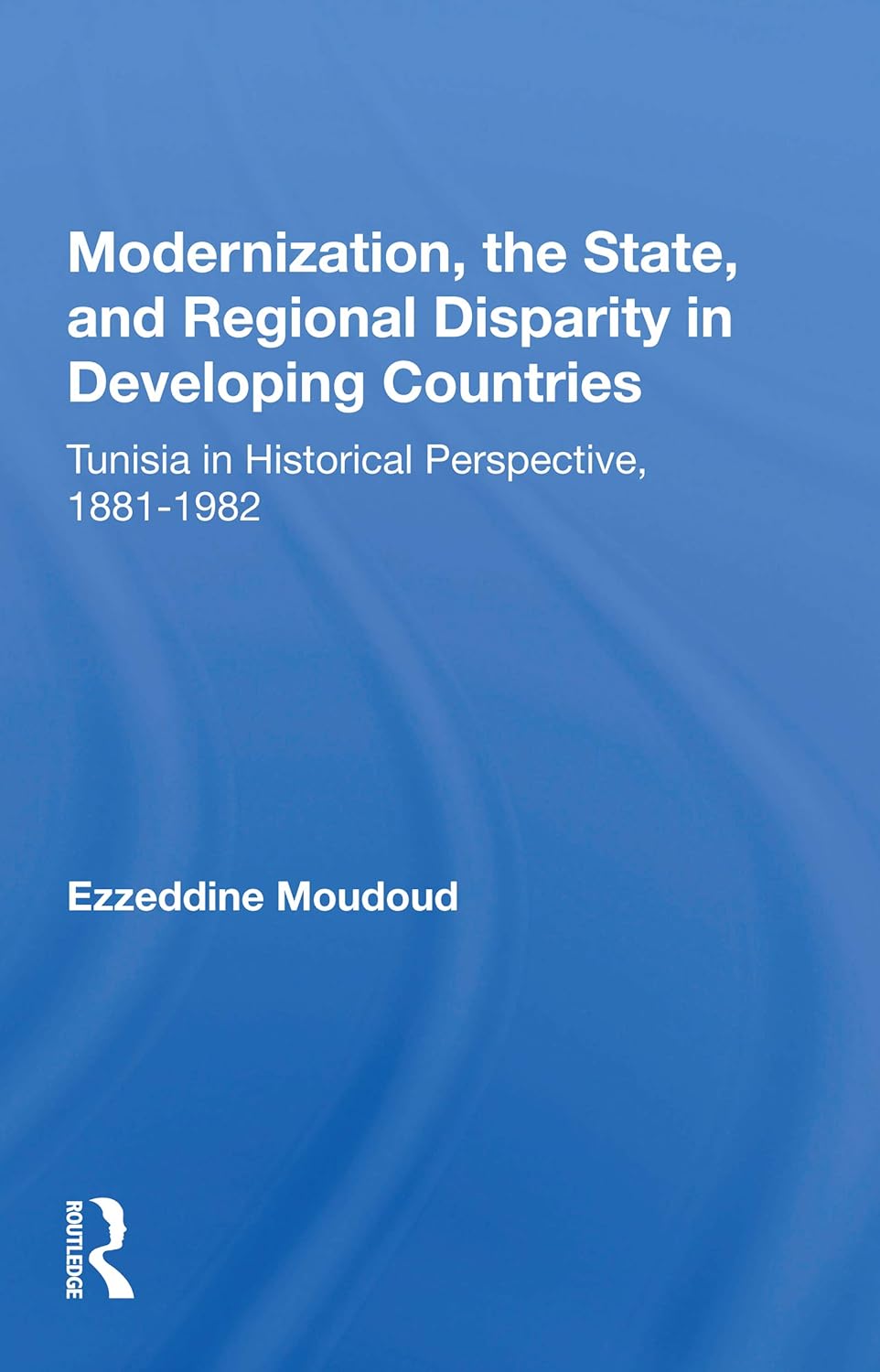
Modernization and Regional Disparity in Developing Countries: Tunisia
Modernization and Regional Disparity in Developing Countries: Tunisia
Price subject to change. Tap below for current.
Couldn't load pickup availability
The book Modernization and Regional Disparity offers a comprehensive analysis of the socio-economic transformations in Tunisia from 1881 to 1982. Ezzeddine Moudoud meticulously examines the historical context that shaped the nation's development trajectory. This insightful work is essential for understanding the complexities of modernization in developing countries.
Through a detailed exploration of Tunisia's past, the author highlights the significant historical perspectives that have influenced regional disparities. Moudoud's research delves into the political, economic, and social factors that contributed to uneven development across different regions of Tunisia.
The book emphasizes the role of colonialism in shaping Tunisia's modernization process. Moudoud argues that the impacts of colonial rule have had lasting effects on the country's economic structures and social fabric. This historical analysis provides readers with a deeper understanding of how past events continue to influence contemporary issues.
One of the key themes in this work is the relationship between state policies and regional development. Moudoud critically assesses how government interventions have either mitigated or exacerbated regional disparities. The author presents a nuanced view of the state's role in fostering economic growth while also addressing the challenges faced by marginalized regions.
In addition to historical analysis, the book incorporates a range of empirical data to support its arguments. Moudoud utilizes various statistical tools to illustrate the extent of economic inequality in Tunisia. This data-driven approach enhances the credibility of the findings and provides a solid foundation for the conclusions drawn.
The narrative is enriched with case studies that exemplify the diverse experiences of different regions. These case studies serve to highlight the complexities of modernization processes and the unique challenges faced by various communities. Moudoud's ability to weave together historical context with contemporary relevance makes this book a valuable resource for scholars and practitioners alike.
Furthermore, the author discusses the implications of regional disparities for future development strategies. Moudoud advocates for policies that promote inclusive growth and address the needs of underdeveloped areas. This forward-thinking perspective is crucial for anyone interested in the future of Tunisia and similar developing nations.
In conclusion, Modernization and Regional Disparity is a thought-provoking examination of Tunisia's historical journey towards modernization. Ezzeddine Moudoud's work is not only a significant contribution to the field of development studies but also a call to action for policymakers to consider the lessons of the past in shaping a more equitable future.
Share