

Modulation Calorimetry: Theory and Applications - Practical
Modulation Calorimetry: Theory and Applications - Practical
Price subject to change. Tap below for current.
Couldn't load pickup availability
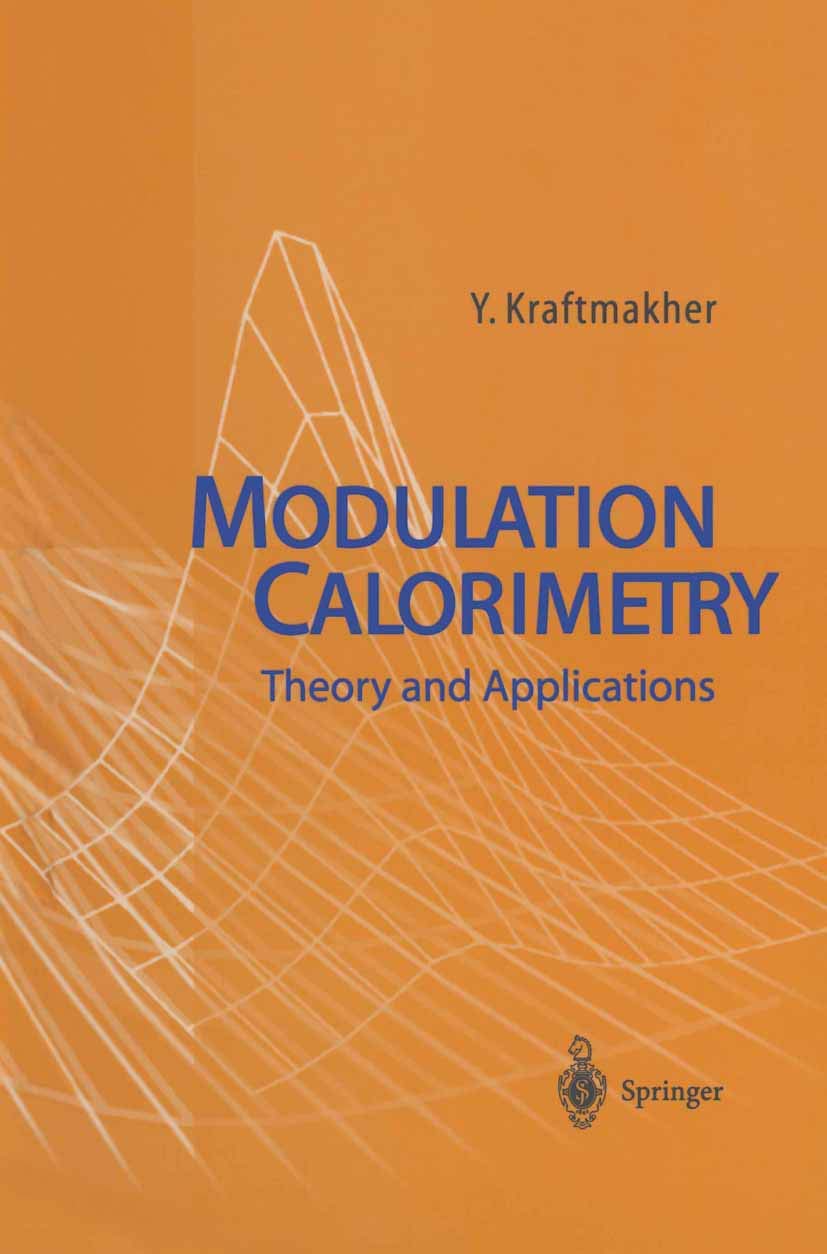
In this review of Modulation Calorimetry: Theory and Applications the bottom line is clear: this monograph is for researchers and advanced students who need a focused, methodical treatment of modulation techniques for thermal measurements. The book stands out for explaining why periodic temperature oscillations produce high sensitivity and excellent temperature resolution, and for surveying concrete applications from phase transitions to biological materials. It reads like a laboratory-minded reference rather than a textbook, making it most valuable to readers applying modulation methods in experimental solid state and soft matter research.
Key Features
- Comprehensive methods: Reviews a range of modulation techniques used to measure specific heat and related quantities, helping readers choose the right approach for their experiment.
- Measurement focus: Describes how to measure temperature oscillations and which detectors or setups yield reliable signals under periodic heating.
- Wide applications: Covers physical phenomena from equilibrium point defects and superconductors to liquid crystals and biological materials, showing practical research uses.
- High sensitivity explained: Explores the role of periodic temperature oscillations in delivering superior sensitivity and temperature resolution for small signals.
- Technique variety: Treats not just specific heat but thermal expansivity, thermopower and spectral absorptance, which helps multidisciplinary experimentalists.
Who It's For
This volume is aimed at experimental physicists, materials scientists and advanced graduate students who perform thermal measurements and need a detailed, technique-oriented reference on modulation calorimetry. Its emphasis on methods and real experimental considerations makes it well suited for labs studying phase transitions, relaxation phenomena, and related properties.
Readers seeking an introductory textbook in basic thermodynamics or a beginner's lab manual should look elsewhere; the book assumes familiarity with thermal measurement concepts and focuses on method development and application rather than step-by-step teaching for novices.
Pros & Cons
Pros
- Thorough discussion of modulation techniques provides a practical roadmap for implementing high-sensitivity measurements.
- Broad set of applications links methods to real research topics like superconductors and biological materials.
- Clear explanation of why periodic temperature oscillations improve resolution and sensitivity.
Cons
- Not a beginner text; readers new to thermal measurements may need supplementary introductory material.
Specifications
| Title | Modulation Calorimetry: Theory and Applications |
| Author | Yaakov Kraftmakher |
| Primary topics | Modulation techniques for specific heat, thermal expansivity, thermopower |
| Applications covered | Phase transitions, superconductors, liquid crystals, biological materials |
| Measurement focus | Periodic temperature oscillations and temperature oscillation measurement methods |
| Intended audience | Researchers, advanced graduate students, experimentalists |
Our Verdict
Modulation Calorimetry is a focused, method-oriented reference that delivers strong value to experimental researchers who need rigorous coverage of modulation methods and their applications. It is recommended for labs and graduate students working on thermal properties in solids and liquids, though newcomers should pair it with an introductory text.
Frequently Asked Questions
Does this book explain experimental setups?
Yes, it presents methods of modulation and approaches to measuring temperature oscillations, with practical emphasis for experimental work.
Is the book suitable for beginners?
It is best suited to readers with prior knowledge of thermal measurements; beginners may need an introductory textbook first.
Which phenomena are emphasized?
The monograph emphasizes applications such as phase transitions, equilibrium point defects, superconductors, liquid crystals and biological materials.
Editor's Take
Modulation Calorimetry is a focused, method-oriented reference ideal for experimental researchers and advanced students needing rigorous coverage of modulation techniques and their applications; beginners should supplement it with an introductory text.

Recently viewed
Recently viewed products will appear here as customers browse the store.