

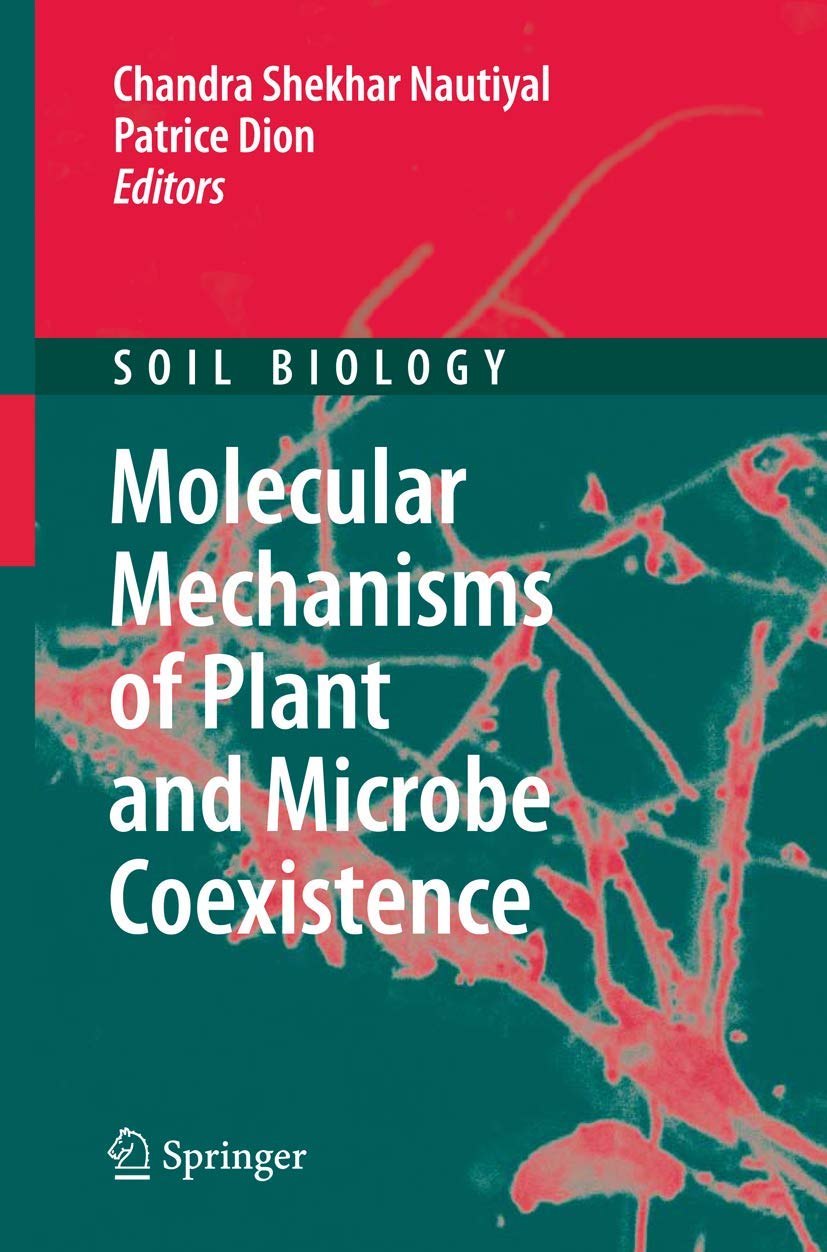
Molecular Mechanisms of Plant and Microbe Coexistence - In-depth
Molecular Mechanisms of Plant and Microbe Coexistence - In-depth
Price subject to change. Tap below for current.
Couldn't load pickup availability
In this review of Molecular Mechanisms of Plant and Microbe Coexistence the bottom line is clear: this volume is best for researchers and advanced students who need a focused, mechanistic survey of plant-microbe interactions. The book collects studies that explore interactions at the population, genomics and proteomics levels and makes a strong case for the role of soil microbial diversity in plant health. For anyone seeking practical molecular explanations of symbiosis, signaling and microbial community evolution, this book offers concentrated content rather than introductory broad overviews.
Key Features
- Population and community focus: Explores how soil microbial diversity shapes plant health and community dynamics, providing context for applied ecology and agriculture.
- Genomics and proteomics perspective: Presents functional genomics and proteomics of plant-associated microbes to reveal molecular bases for coexistence and interaction.
- Signaling pathways covered: Discusses signaling during symbiotic and pathogenic stages, useful for understanding communication between plants and microbes.
- Evolutionary framing: Positions microbial communities in the light of evolution, helping readers connect molecular findings to larger-scale patterns.
- Application-oriented discussion: Considers how mechanistic knowledge could underpin environmentally benign strategies to control plant disease and regulate growth.
Who It's For
Primary readers are graduate students, postdoctoral researchers and practitioners in plant pathology, microbial ecology and molecular biology who need a specialist, research-oriented compilation on plant-microbe coexistence. The concentrated treatment of genomics, proteomics and signaling makes it a good reference for designing experiments or interpreting high-throughput molecular data.
It is less suitable for undergraduates or general readers seeking a broad textbook introduction, and those looking for extensive protocols, step-by-step methods or popular science narratives should look elsewhere.
Pros & Cons
Pros
- Comprehensive mechanistic focus connects population-level questions with genomics and proteomics evidence.
- Clear treatment of signaling in symbiotic and pathogenic relationships adds depth to understanding plant responses.
- Discussion of microbial community evolution gives useful perspective for long-term ecological and agricultural planning.
Cons
- Depth and technical focus mean it is not introductory and may be dense for non-specialists.
Specifications
| Title | Molecular Mechanisms of Plant and Microbe Coexistence |
| Series | Soil Biology, 15 |
| Editors / Authors | Patrice Dion, Chandra Shekhar Nautiyal, V. L. Chopra |
| Subject focus | Plant-microbe interactions, genomics, proteomics, signaling |
| Key topics | Soil microbial diversity, symbiosis, quorum sensing, viral infections |
| Intended audience | Researchers, graduate students, specialists in microbiology and plant sciences |
Our Verdict
Molecular Mechanisms of Plant and Microbe Coexistence is a targeted, research-focused volume that delivers rigorous molecular and evolutionary perspectives on plant-microbe interactions. Buyers who need detailed discussions of functional genomics and signaling will find it good value as a reference; readers seeking an introductory textbook should consider other options.
Frequently Asked Questions
Does this book cover practical disease management strategies?
It discusses how molecular findings could inform environmentally benign strategies, but it is not a hands-on management manual.
Is this suitable for undergraduate coursework?
The material is fairly technical and specialist; it is better suited to graduate-level courses or research reading.
Are molecular techniques and data analyses explained?
The book focuses on functional genomics and proteomics results and interpretation rather than step-by-step laboratory protocols.
Editor's Take
A targeted, research-focused volume that delivers rigorous molecular and evolutionary perspectives on plant-microbe interactions; ideal for researchers and graduate students needing detailed genomics and signaling discussion.

Recently viewed
Recently viewed products will appear here as customers browse the store.