

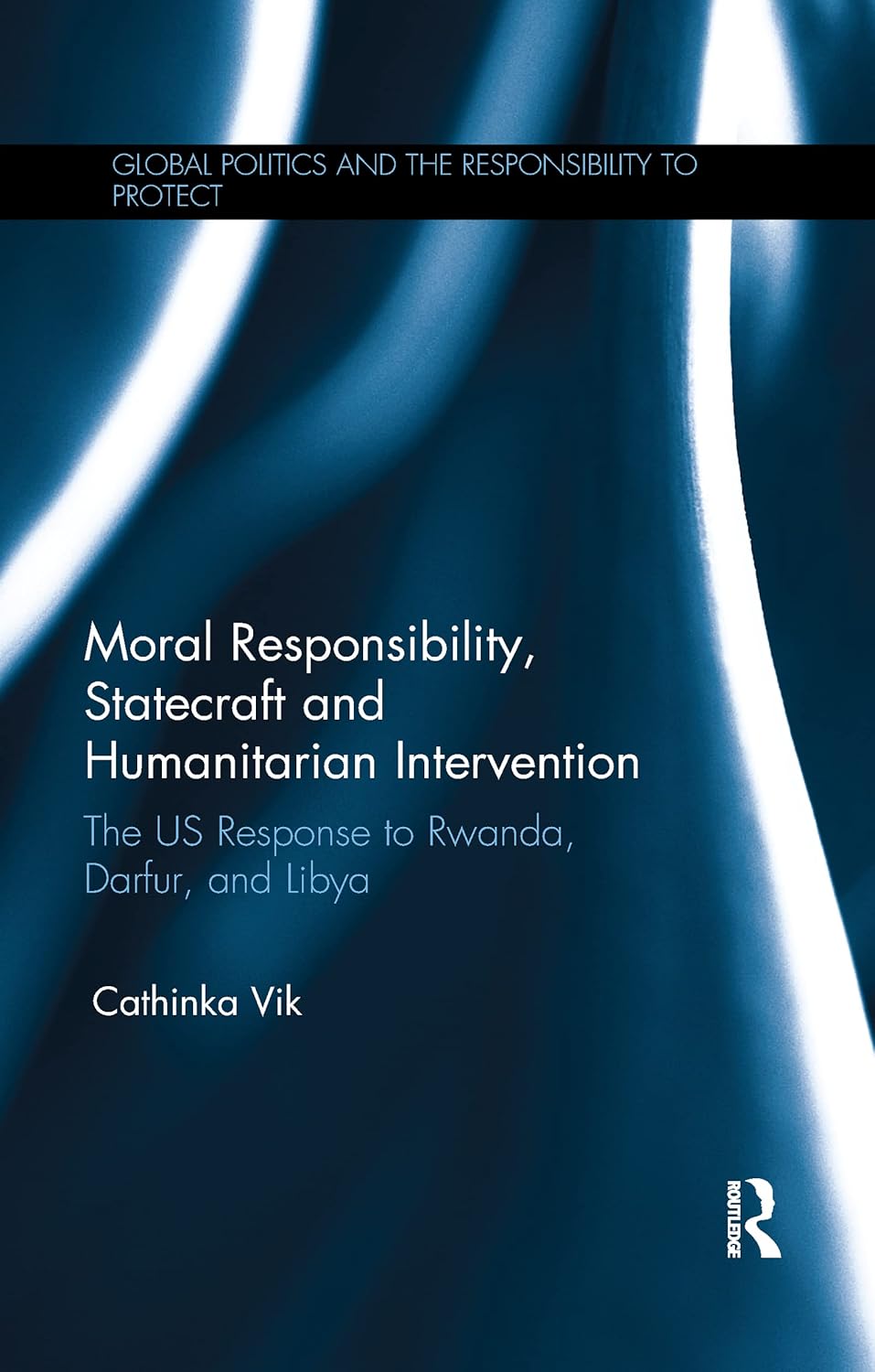
Moral Responsibility, Statecraft and Humanitarian Intervention
Moral Responsibility, Statecraft and Humanitarian Intervention
Price subject to change. Tap below for current.
Couldn't load pickup availability
In this review the book Moral Responsibility, Statecraft and Humanitarian Intervention offers a clear-eyed examination of how democracies decide when to use force for humanitarian ends; it is best for readers who want a careful, case-based analysis rather than polemic. Cathinka Vik's study focuses on three administrations and shows the competing moral and practical pressures shaping choices about intervention, making it the single most useful purchase for students and practitioners seeking a nuanced account of decision-making in Rwanda, Darfur, and Libya.
Key Features
- Comparative case study: Examines the Clinton, Bush, and Obama administrations to show contrasts in policy choices and moral reasoning across three crises.
- Focus on moral complexity: Explores the tensions between national interest and humanitarian obligation to clarify why states hesitate or act.
- Detailed historical context: Situates each intervention within domestic and international pressures to reveal the practical constraints on leaders.
- Policy-relevant analysis: Connects moral arguments to statecraft decisions so readers can assess realistic options for future interventions.
- Concise academic prose: Presents evidence and argument in a readable way suitable for classroom use and informed general readers.
Who It's For
This book is aimed at graduate students, policymakers, and informed readers of international politics who want a grounded account of how moral reasoning interacts with strategic choices. Its comparative structure is especially useful for seminars on humanitarian intervention, ethics, or US foreign policy.
Readers looking for a prescriptive how-to guide on intervention or a sweeping ideological manifesto should look elsewhere; this is an analytic, case-driven study rather than a handbook for operational planning.
Pros & Cons
Pros
- Wide comparative frame clarifies differences in US responses to Rwanda, Darfur, and Libya.
- Balances moral philosophy with practical statecraft, making arguments relevant to policy debates.
- Readable academic tone that works for both classroom and professional reference.
Cons
- The focus on three US administrations means readers seeking global or non-US perspectives may find the scope limited.
Specifications
| Title | Moral Responsibility, Statecraft and Humanitarian Intervention |
| Author | Cathinka Vik |
| Series | Global Politics and the Responsibility to Protect |
| Scope | Comparative case study of Rwanda, Darfur, and Libya |
| Focus areas | Moral complexity, state decision-making, domestic and international factors |
| Intended audience | Students, policymakers, and informed readers of international politics |
Our Verdict
For readers who want a careful, evidence-based assessment of humanitarian intervention, this book is a strong value: it combines moral reflection with statecraft analysis and concise case studies to explain why leaders acted as they did. It is especially worthwhile for classrooms and anyone seeking a sober, comparative account of US policy toward Rwanda, Darfur, and Libya.
Frequently Asked Questions
Does this book cover non-US actors?
Answer. The analysis centers on US decision-making in three crises and treats international constraints as they affected US choices.
Is it suitable for undergraduate courses?
Answer. Yes, particularly for upper-level undergraduates or graduate seminars in ethics, foreign policy, or international relations.
Does the author take a single moral stance?
Answer. The book emphasizes the moral complexity of decisions rather than arguing a single prescriptive position.
Editor's Take
A careful, evidence-based study that combines moral reflection with statecraft analysis to explain US decisions in Rwanda, Darfur, and Libya; ideal for students and policymakers.

Recently viewed
Recently viewed products will appear here as customers browse the store.