

Multimodal Literacy in School Science - Practical MDL Framework
Multimodal Literacy in School Science - Practical MDL Framework
Price subject to change. Tap below for current.
Couldn't load pickup availability
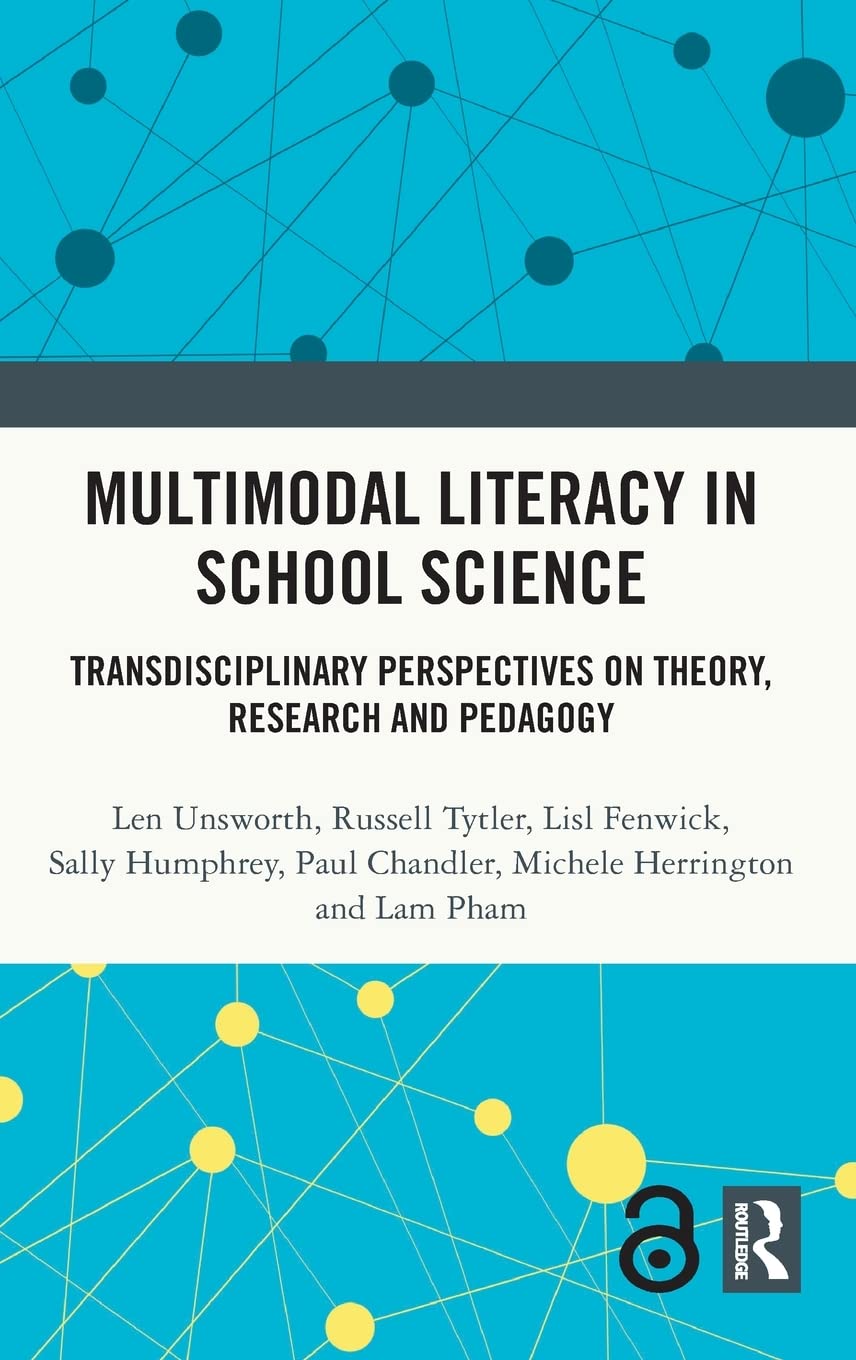
In this review of Multimodal Literacy in School Science the bottom line is clear: this book is for senior high school teachers and curriculum leaders who want a research-informed, classroom-ready approach to disciplinary literacy in biology, chemistry and physics. The authors present a negotiated theoretical foundation and then translate that theory into a substantial repertoire of learning experiences, so the main reason to buy is its rare combination of practical classroom planning grounded in contemporary literacy theory.
Key Features
- Transdisciplinary framework: Explains a coherent Multimodal Disciplinary Literacy (MDL) framework that aligns multiple representation approaches with subject-specific science pedagogy.
- Theoretical grounding: Sets out the social semiotic and systemic functional linguistic underpinnings that justify explicit literacy teaching in science classrooms.
- Learning experience repertoire: Provides a research-informed set of classroom activities and tasks that teachers can adopt or adapt across biology, chemistry and physics.
- Planning options: Articulates a comprehensive framework of options to guide curriculum and lesson planning for senior secondary science.
- Practice focus: Emphasises representation construction and multimodal resources so students can engage with scientific meanings across texts, diagrams and lab work.
Who It's For
Multimodal Literacy in School Science is aimed primarily at senior high school science teachers, faculties of education, curriculum coordinators and teacher educators who need an explicit, evidence-based approach to teaching discipline-specific literacy. The book is particularly useful to those responsible for planning units where representations and scientific texts are central, and to professional learning groups looking for a shared framework.
It is less suitable for elementary teachers seeking very early-years literacy methods or for readers expecting a quick how-to manual full of ready-to-print worksheets; the focus is conceptual and on adaptable learning experiences rather than one-off printable resources.
Pros & Cons
Pros
- Clear linking of subject pedagogy and literacy helps teachers make explicit links between science content and literacy skills.
- Balanced mix of theory and classroom-oriented examples supports informed curriculum planning.
- Comprehensive options for lesson planning make the framework adaptable across science disciplines.
Cons
- The book emphasises conceptual frameworks and examples rather than providing a large bank of ready-to-use worksheets.
- Practitioners new to social semiotic or systemic functional linguistics may need time to absorb the theoretical language.
Specifications
| Title | Multimodal Literacy in School Science |
| Authors | Len Unsworth, Russell Tytler, Lisl Fenwick, Sally Humphrey, Paul Chandler, Michele Herrington, Lam Pham |
| Scope | Senior high school biology, chemistry and physics |
| Focus | Multimodal Disciplinary Literacy (MDL) framework and classroom adoption |
| Theoretical basis | Social semiotic and systemic functional linguistics informed |
| Includes | Research-informed repertoire of learning experiences and planning options |
Our Verdict
Multimodal Literacy in School Science is a valuable investment for secondary science teachers and curriculum leaders who want an evidence-based, adaptable framework linking literacy and subject pedagogy. Its strength is in translating theory into practical planning options, making it good value for those committed to sustained curriculum change.
Frequently Asked Questions
Does this book cover all three sciences?
Yes, it explicitly addresses senior high school biology, chemistry and physics with examples and planning options across those subjects.
Is it practical for classroom use?
Yes, the book provides a repertoire of learning experiences and a comprehensive framework teachers can adopt or adapt, though it focuses on planning rather than ready-made worksheets.
Who authored the theoretical approach?
The framework is developed by a team of authors and is grounded in social semiotic and systemic functional linguistic approaches to disciplinary literacy.
Editor's Take
Multimodal Literacy in School Science is a research-informed, classroom-ready framework for senior secondary science teachers that links social semiotic theory to practical lesson planning, making it valuable for curriculum leaders and educators committed to disciplinary literacy.

Recently viewed
Recently viewed products will appear here as customers browse the store.