

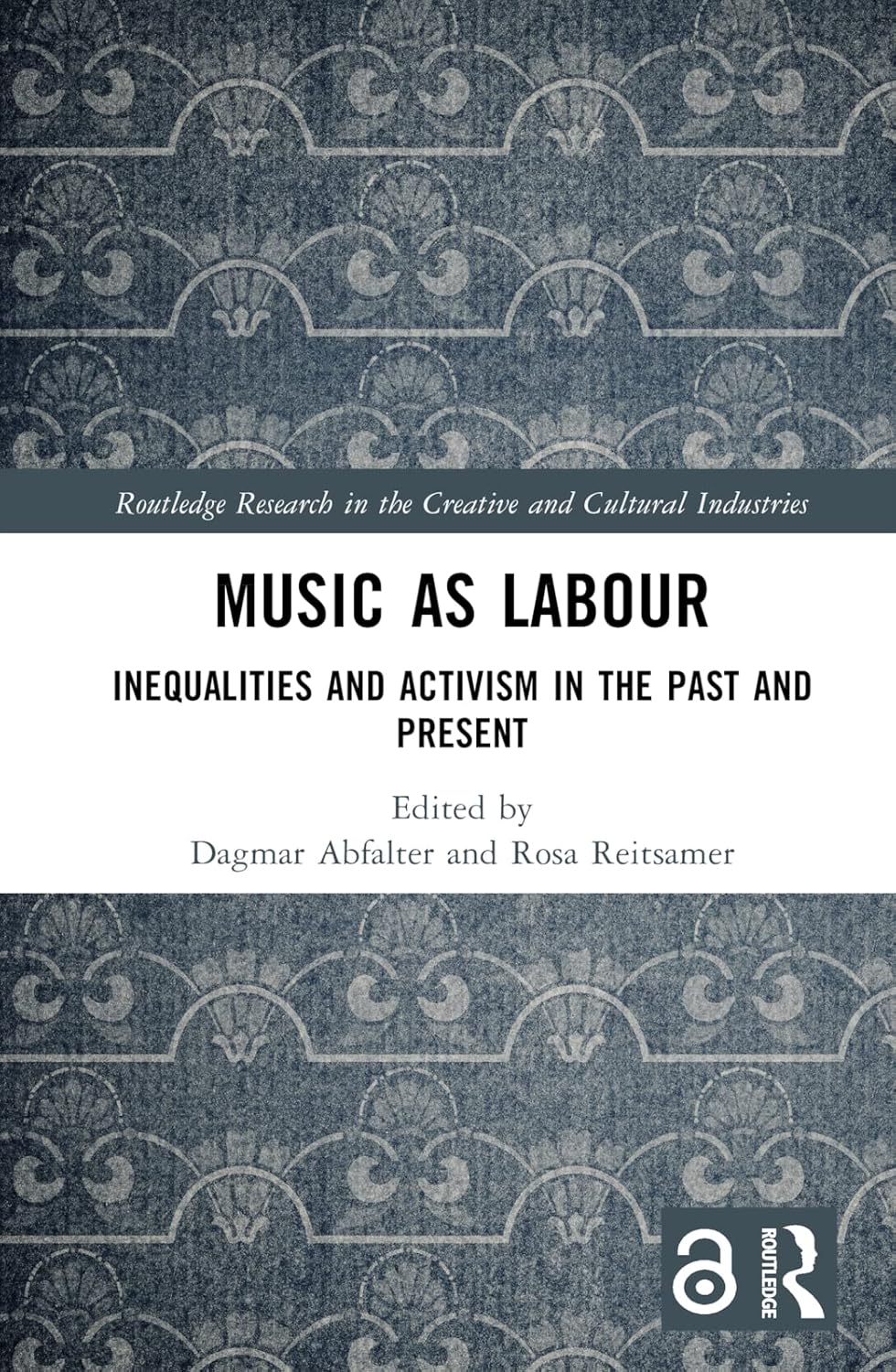
Music as Labour: Inequalities and Activism in the Past and Present
Music as Labour: Inequalities and Activism in the Past and Present
Price subject to change. Tap below for current.
Couldn't load pickup availability
In this review of Music as Labour: Inequalities and Activism in the Past and Present the authors examine music through the lens of labour, inequality and activism, making it most useful for researchers, students and practitioners interested in cultural industries and social justice. The book's single biggest reason to buy is its cross-disciplinary research that connects management, gender studies and antiracist politics to show how musicians work is valued, managed and contested; this gives readers a clear framework to understand how precarity and activism shape musical labour across regions and periods.
Key Features
- Interdisciplinary perspective: Brings together music, cultural industries and management research to map how labour practices influence the valuation of musical work.
- Focus on inequality: Examines gender and antiracist politics to reveal structural inequalities that shape musicians' careers and recognition.
- Global case studies: Includes research from multiple geographic regions to compare how musicians working practices differ by context and time.
- Attention to labour processes: Investigates changing roles of actors, institutions and technologies that affect how musical achievement is constructed and managed.
- Activism and practice: Analyses how activism intersects with industry practices, offering insight into strategies that address precarity and insecurity in music work.
Who It's For
This book is best for graduate students, researchers and cultural policy makers who need a robust, research-driven account of music as labour and the social dynamics that determine value and precarity. It is particularly relevant to readers working at the intersection of music studies, gender studies and social justice scholarship.
Practicing musicians seeking practical how-to guidance for career development should look elsewhere, as the book is academic in tone and focused on analysis rather than step-by-step career advice. Those expecting a purely historical narrative will also find the emphasis on contemporary labour processes and activism to be the core concern.
Pros & Cons
Pros
- Integrates theories from several disciplines to give a nuanced picture of how musical labour is organised and valued.
- Sheds light on inequality and activism, making the book a useful resource for antiracist and gender-focused analysis of music industries.
- Uses comparative regional research to show variation in working practices and institutional arrangements.
Cons
- The academic, analytical style may be less accessible to readers seeking practical career guidance or light reading.
Specifications
| Title | Music as Labour: Inequalities and Activism in the Past and Present |
| Series | Routledge Research in the Creative and Cultural Industries |
| Authors / Editors | Dagmar Abfalter, Rosa Reitsamer |
| Subject areas | Music, Cultural Industries, Gender Studies, Management, Antiracist Politics |
| Scope | Research on labour processes, valuation and activism across multiple geographic regions |
| Intended audience | Researchers, graduate students, cultural policy makers |
Our Verdict
Music as Labour is a strong academic contribution for anyone studying the intersections of music, labour and social inequality; its comparative cases and engagement with activism make it valuable for scholars and policy makers. While its analytical style limits appeal for casual readers, the book offers worthwhile frameworks and evidence for understanding precarity and valuation in contemporary musical work, making it good value for specialist libraries and graduate courses.
Frequently Asked Questions
Does this book focus on practical advice for musicians?
The book is research-driven and analytical rather than a practical guide; it focuses on labour processes, inequality and activism rather than career tips.
Who edited or authored the volume?
The work is brought together by Dagmar Abfalter and Rosa Reitsamer, situated within a Routledge research series on creative industries.
Is the content region-specific or comparative?
The chapters include research from a variety of geographic regions, offering comparative perspectives on how musical work is constructed and managed.
Editor's Take
Music as Labour is a rigorous, interdisciplinary study of how inequality and activism shape musical work; ideal for researchers and policy makers seeking analytic frameworks on precarity and valuation.

Recently viewed
Recently viewed products will appear here as customers browse the store.