

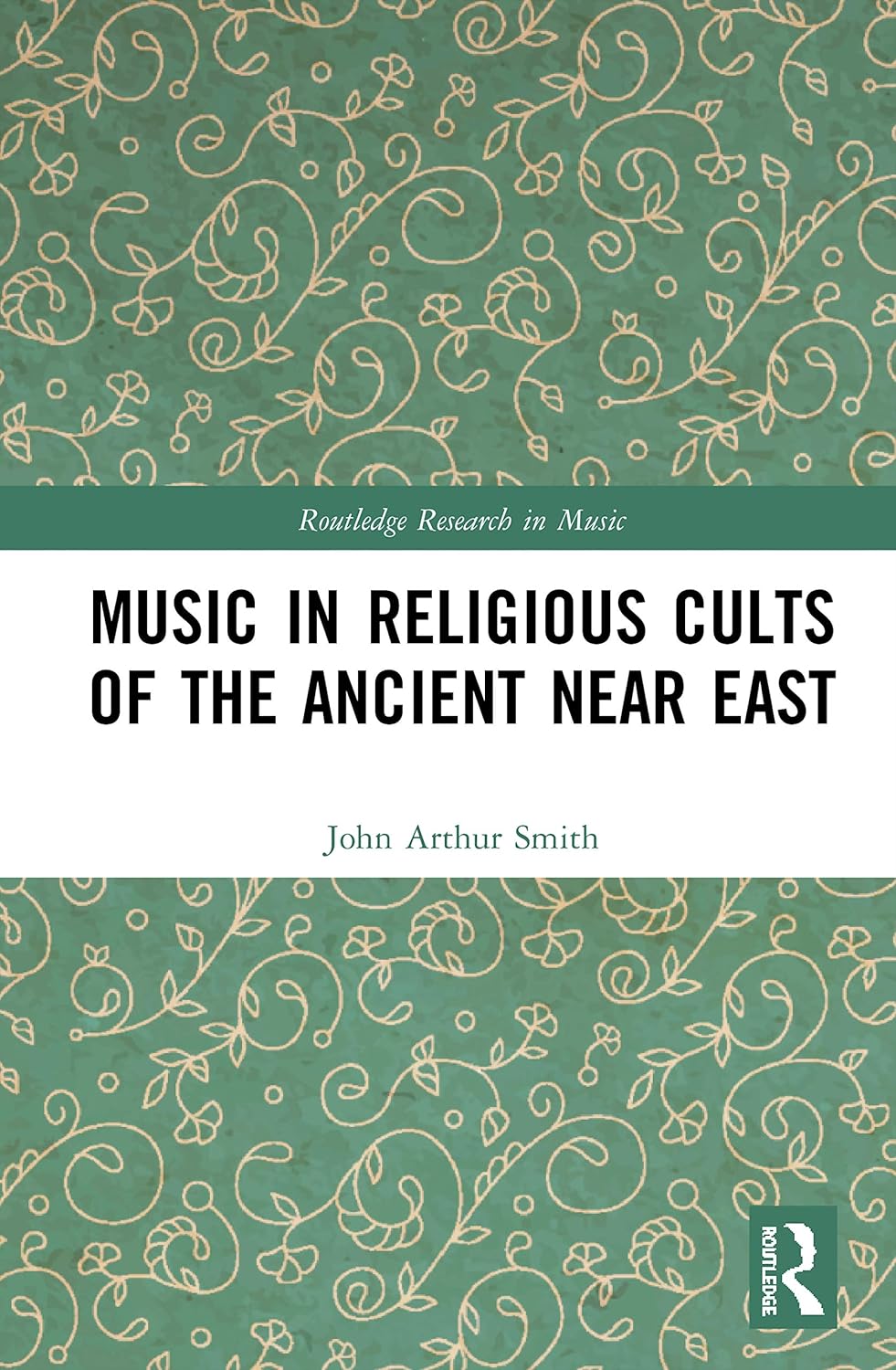
Music in Religious Cults of the Ancient Near East - Scholarly
Music in Religious Cults of the Ancient Near East - Scholarly
Price subject to change. Tap below for current.
Couldn't load pickup availability
In this review of Music in Religious Cults of the Ancient Near East the reviewer finds a focused, scholarly study best suited to specialists and advanced students; the single biggest reason to buy is its unprecedented, extended analysis of how music functioned within cultic worship across ancient western Asia. The book synthesizes archaeological, iconographic, written and musical sources to reconstruct religious practice from roughly 3000 BCE to about 586 BCE, offering a sustained, evidence-backed narrative rather than a popular overview.
Key Features
- Geographic breadth: Covers ancient Israel and Judah, the Levant, Anatolia, Mesopotamia, Elam and ancient Egypt to show comparative patterns across regions.
- Chronological focus: Concentrates on the period from approximately 3000 BCE to around 586 BCE to trace long-term developments in cultic music.
- Source integration: Brings together archaeological, iconographic, written and musical evidence to provide a multi-disciplinary perspective on religious practice.
- Analytical method: Uses careful analysis, comparison and evaluation of sources so claims are grounded in primary material and modern scholarship.
- Scholarly synthesis: Builds a coherent picture of how music was intrinsic to common cultic activity rather than treating musical data in isolation.
Who It's For
This book is aimed at academics, graduate students and researchers in musicology, biblical studies, ancient history and religious studies who need an in-depth, source-based account of religious music in the ancient Near East. It assumes some familiarity with ancient sources and scholarly methods, and rewards careful reading.
Readers seeking a concise popular introduction, a how-to guide on ancient instruments, or an illustrated coffee-table survey should look elsewhere, as the tone is analytical and textual rather than introductory or heavily illustrated.
Pros & Cons
Pros
- Comprehensive regional scope lets readers compare cultic musical practices across several ancient cultures.
- Interdisciplinary use of archaeological and written evidence strengthens the book's reconstructions of ritual contexts.
- Focused chronological window provides clarity about developments up to the late first millennium BCE.
Cons
- The scholarly, dense style may be challenging for casual readers or those without background in ancient studies.
Specifications
| Title | Music in Religious Cults of the Ancient Near East |
| Series | Routledge Research in Music |
| Author | John Arthur Smith |
| Geographic coverage | Israel and Judah, Levant, Anatolia, Mesopotamia, Elam, Egypt |
| Chronological range | c. 3000 BCE to c. 586 BCE |
| Sources used | Archaeological, iconographic, written and musical sources |
Our Verdict
Music in Religious Cults of the Ancient Near East is a valuable, well-documented resource for scholars and advanced students interested in the role of music within ancient religious practice; its rigorous synthesis of multiple source types makes it good value for anyone researching ritual, musicology or ancient Near Eastern religion.
Frequently Asked Questions
Does the book cover multiple ancient cultures?
Yes. It examines ancient Israel and Judah, the Levant, Anatolia, Mesopotamia, Elam and Egypt to allow cross-cultural comparison.
What period does the book focus on?
The study focuses primarily on the long span from about 3000 BCE until roughly 586 BCE.
Is this book suitable for general readers?
It is primarily scholarly and analytical, so it is best suited to readers with some background in ancient studies or musicology.
Editor's Take
A rigorous, source-driven study that synthesizes archaeological, iconographic, written and musical evidence to show how music functioned in ancient Near Eastern religious practice; ideal for scholars and advanced students.

Recently viewed
Recently viewed products will appear here as customers browse the store.