

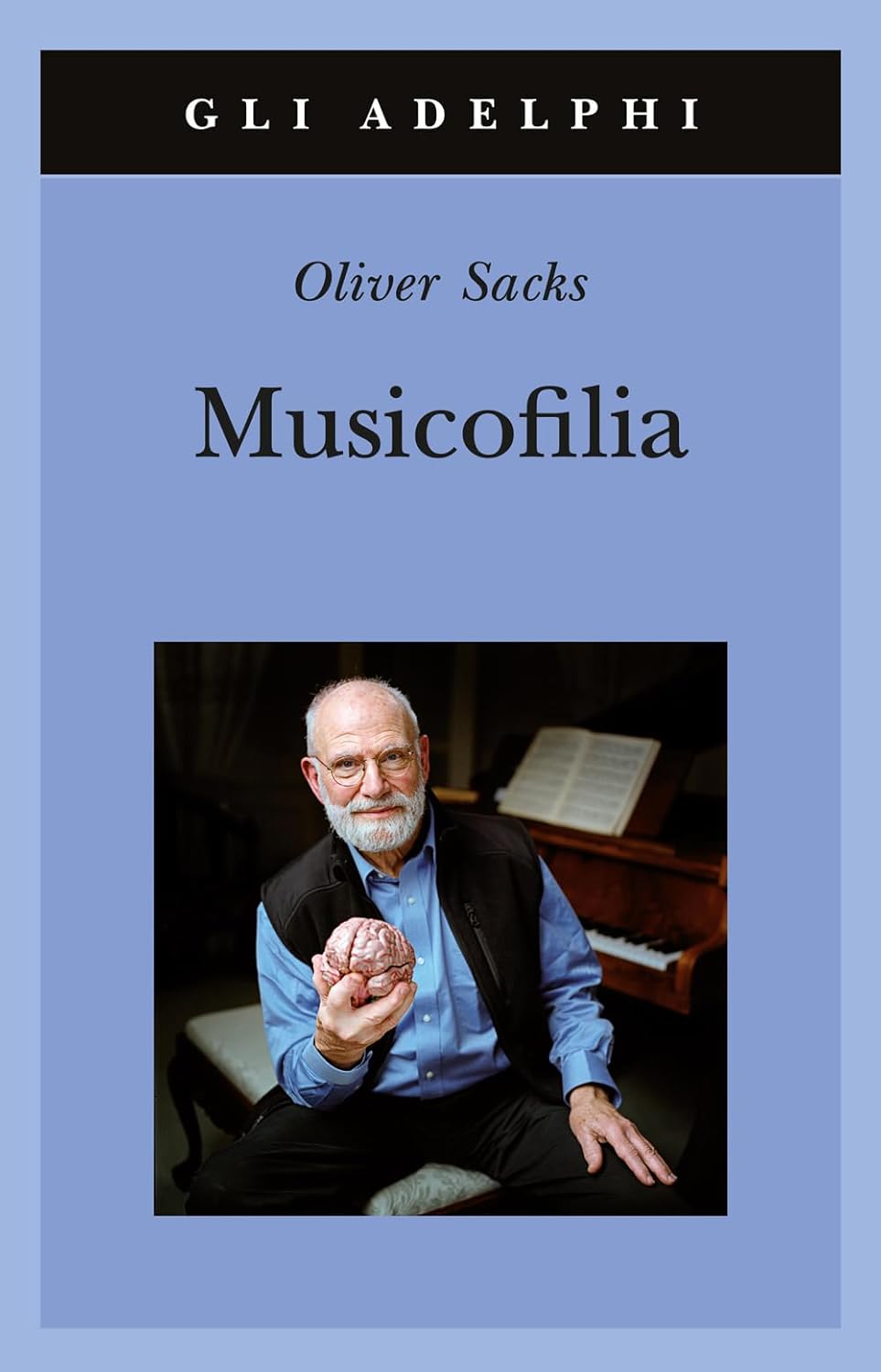
Musicofilia - A Clinician's Exploration of Music and the Brain
Musicofilia - A Clinician's Exploration of Music and the Brain
Price subject to change. Tap below for current.
Couldn't load pickup availability
In this review of Musicofilia the reviewer finds a thoughtful, readable exploration of how music interacts with the nervous system that will appeal to readers curious about neurology and human behavior. Oliver Sacks brings clinical anecdotes and empathetic observation to bear on phenomena such as rhythmic synchronization and the surprising ways music can alter neurological symptoms; the single biggest reason to read Musicofilia is its ability to turn clinical cases into vivid narratives that illuminate the mind for non-specialist readers.
Key Features
- Clinical case studies: Detailed accounts of patients show real-life examples of music provoking dramatic neurological change, making complex ideas tangible.
- Accessible writing: Sacks explains scientific concepts in clear language so readers without a scientific background can follow the arguments.
- Focus on rhythm and contagion: The book highlights episodes like the drum circle in New York to illustrate how music can synchronize neural activity across individuals.
- Empathetic perspective: The author's clinical empathy allows readers to understand patients as people, not just subjects of study.
- Interdisciplinary reach: The narrative draws on neurology, psychology, and musicology to provide a broad view of the topic.
Who It's For
Musicofilia is best suited to curious readers interested in neurology, music therapy, or human behavior who prefer narrative-driven science writing over dense textbooks. Clinicians and students may appreciate the clinical anecdotes as illuminating examples that complement formal study.
Readers seeking a rigorous technical manual with experimental methods and statistical analysis should look elsewhere; this is a clinician's exploration and popular science account rather than a lab protocol or textbook of experimental neuroscience.
Pros & Cons
Pros
- Engaging real-world case studies that illustrate how music interacts with the nervous system.
- Clear, compassionate writing that makes complex neurological phenomena accessible.
- Thought-provoking examples such as the Tourette drum circle that reveal unexpected therapeutic potential.
Cons
- The book is narrative and anecdotal rather than a source of experimental data or detailed methodology.
Specifications
| Title | Musicofilia |
| Author | Oliver Sacks |
| Primary subject | Neurology and music |
| Notable example | Drum circle case with Tourette syndrome |
| Approach | Clinical anecdotes and narrative popular science |
| Intended audience | General readers interested in science and music |
Our Verdict
Musicofilia offers a compelling and humane look at the interplay between music and the brain, ideal for readers who enjoy narrative science and case-based insight. While not a substitute for technical literature, it provides excellent value as an accessible introduction that inspires further interest in neurology, music therapy, and the lived experience of patients.
Frequently Asked Questions
Is Musicofilia suitable for non-specialists?
Yes. The writing is accessible and aimed at general readers rather than specialists.
Does the book provide scientific data and methods?
It focuses on clinical anecdotes and interpretation rather than detailed experimental protocols or statistical analyses.
Will readers learn about therapeutic uses of music?
Yes. Several cases illustrate how music can influence symptoms and suggest therapeutic possibilities, though the book is not a clinical treatment manual.
Editor's Take
Musicofilia is a compelling, case-driven exploration of how music influences the brain; ideal for readers who want accessible, empathetic science writing rather than technical experimental detail.

Recently viewed
Recently viewed products will appear here as customers browse the store.