Regular price
$124.60 USD
Price subject to change. Tap below for current.
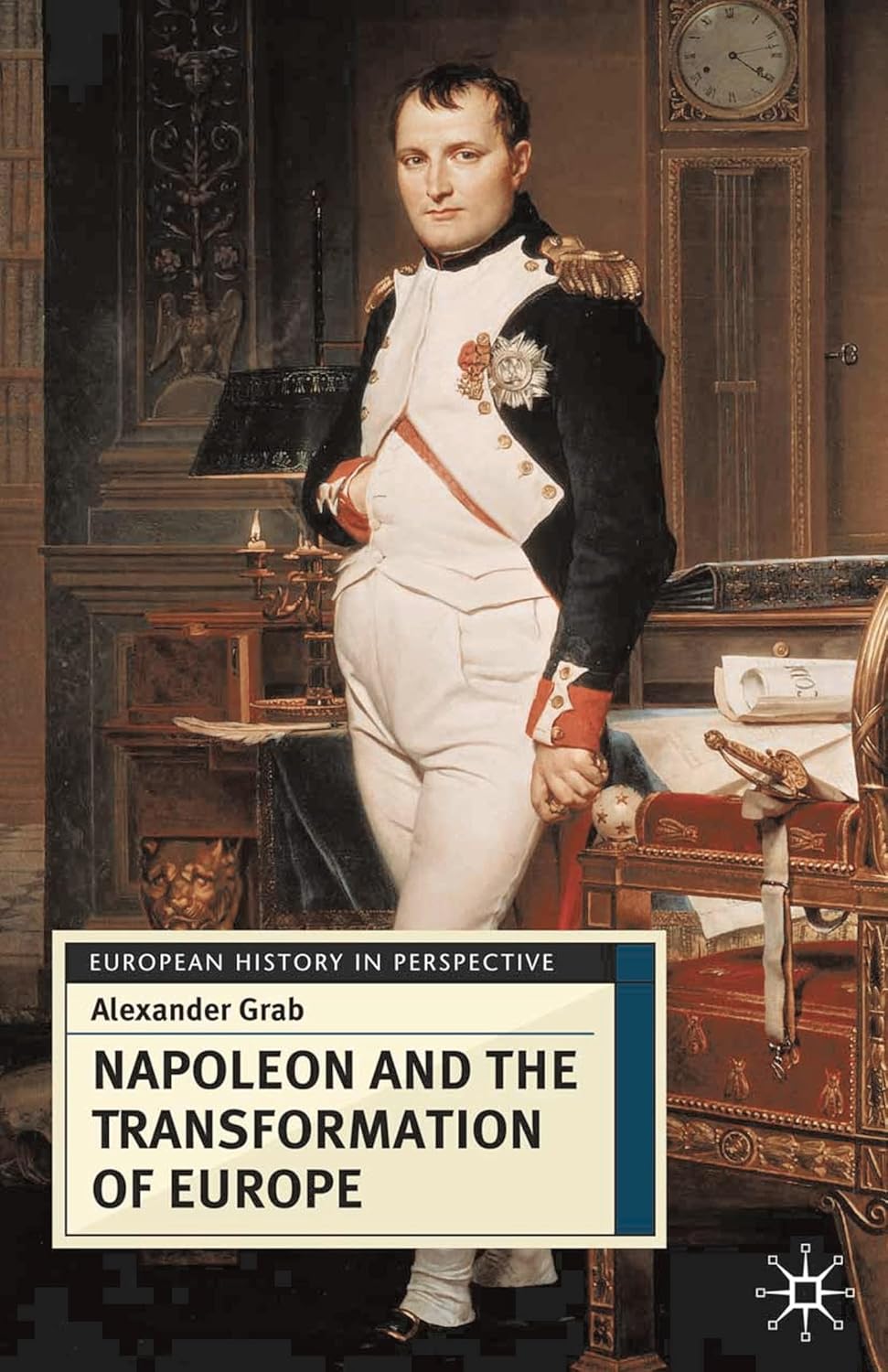
Napoleon and the Transformation of Europe is a compelling exploration of the profound impact Napoleon Bonaparte had on the European landscape. This book delves into the intricate political, social, and military changes that occurred during his reign, offering readers a comprehensive understanding of how one man's ambition reshaped an entire continent.
Written by Alexander Grab, this volume is part of the European History in Perspective series, which aims to provide insightful analyses of pivotal historical events. Grab meticulously examines the political strategies employed by Napoleon, highlighting his ability to manipulate alliances and rivalries to his advantage.
The narrative is enriched with detailed accounts of key battles and diplomatic maneuvers, allowing readers to grasp the complexities of the era. The author emphasizes the social transformations that accompanied Napoleon's rise, illustrating how his policies influenced the lives of ordinary citizens across Europe.
One of the standout features of this book is its focus on the cultural shifts that emerged during this tumultuous period. Grab discusses how Napoleon's conquests led to the spread of revolutionary ideas, which would ultimately inspire movements for change in various nations.
Additionally, the book provides a critical analysis of the legacy of Napoleon, examining how his actions set the stage for future conflicts and the eventual unification of Europe. Readers will appreciate the balanced perspective that Grab offers, acknowledging both the achievements and the failures of Napoleon's rule.
With its engaging prose and thorough research, Napoleon and the Transformation of Europe is an essential read for anyone interested in understanding the complexities of European history. The book is well-structured, making it accessible for both scholars and casual readers alike.
In conclusion, this work stands out as a significant contribution to the field of history. It not only sheds light on Napoleon's influence but also invites readers to reflect on the broader implications of his actions on the modern world. Grab's insightful analysis ensures that this book will be a valuable resource for years to come.