

Narcissism, Melancholia and the Subject of Community - Psychosocial
Narcissism, Melancholia and the Subject of Community - Psychosocial
Price subject to change. Tap below for current.
Couldn't load pickup availability
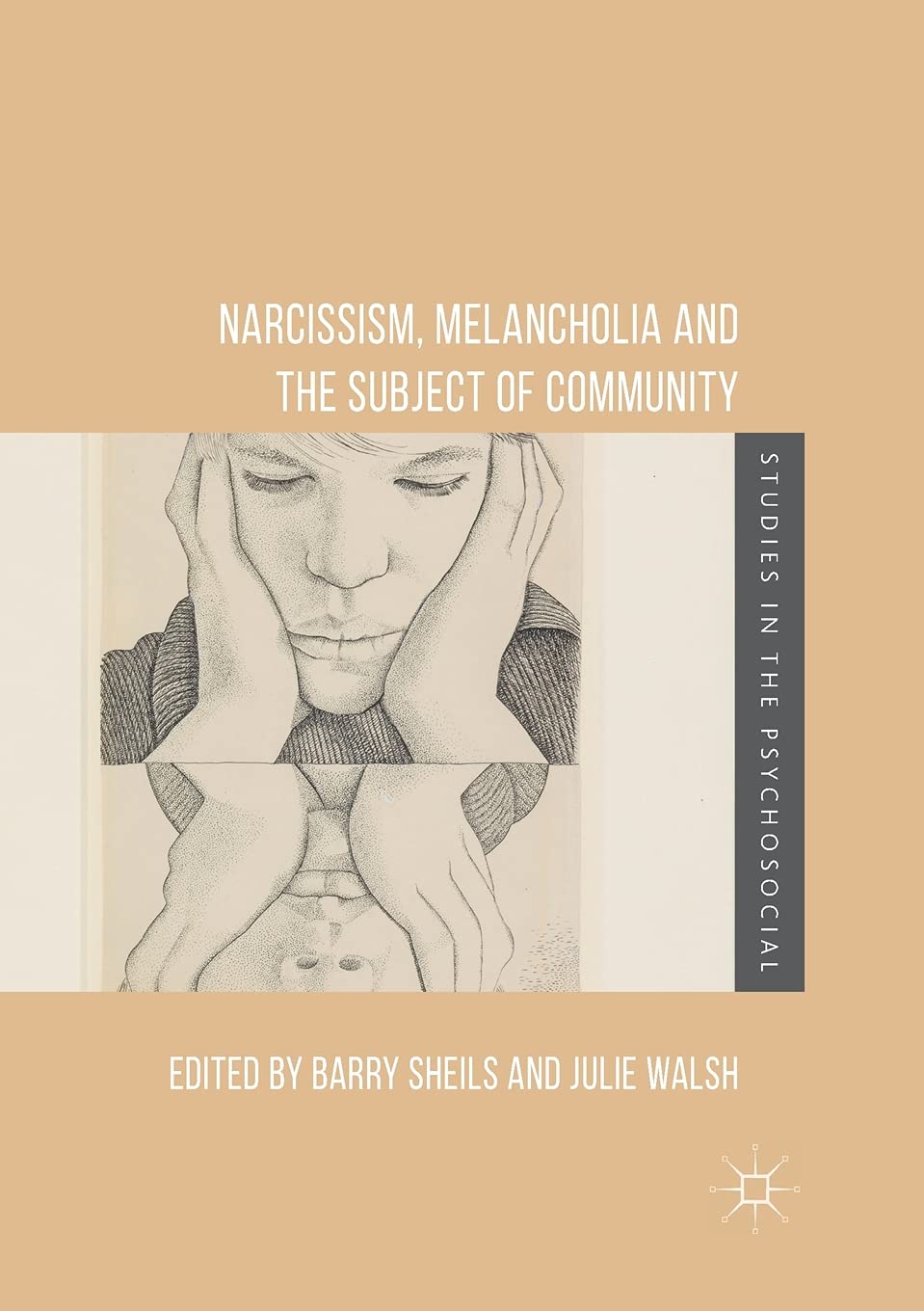
In this review the book Narcissism, Melancholia and the Subject of Community is presented as a careful, scholarly collection for readers focused on psychoanalytic theory and social critique. Edited by Barry Sheils and Julie Walsh, this volume brings together essays examining Freud's pivotal papers on narcissism and mourning; the single biggest reason to buy is its concentrated engagement with how loss and psychic violence shape subject formation within communities, making it a useful resource for advanced students and clinician-scholars who want a sustained theoretical conversation rather than a quick practical manual.
Key Features
- Historical framing: Essays situate Freud's 1914 and 1915/1917 papers in their social and political context, helping readers understand the original concerns behind the concepts of narcissism and melancholia.
- Theoretical depth: Contributors trace how themes of loss and psychic violence become central to subject formation, offering rigorous conceptual analysis for researchers.
- Psychosocial focus: The book emphasizes the difficulty of distinguishing inner and outer worlds, which supports interdisciplinary study across psychology, sociology, and cultural theory.
- Practitioner perspectives: Writer-practitioners contribute clinical insight that links metapsychological ideas to therapeutic thinking and community-level questions.
- Curated essays: The collection gathers multiple voices to map the continuing legacy of Freud's metapsychology, useful for seminar reading and literature reviews.
Who It's For
This book is best for graduate students, psychoanalytic clinicians, and scholars in psychology and social theory who need an in-depth engagement with Freud's ideas about narcissism and melancholia in relation to community and subjectivity. It works well as a companion text in seminars focused on trauma, loss, or the psychosocial dimensions of identity.
Those seeking a practical self-help guide, a concise textbook, or a beginner's introduction to psychoanalysis should look elsewhere; the essays assume familiarity with foundational psychoanalytic terms and prioritize theoretical exploration over step-by-step clinical technique.
Pros & Cons
Pros
- Provides thorough theoretical analyses that clarify how loss and psychic violence inform subject formation in community contexts.
- Includes contributions from both scholars and practitioner-writers, offering a balance of academic and clinical perspectives.
- Careful historical situating of Freud's 1914 and 1915/1917 papers helps readers appreciate the original metapsychological project.
Cons
- The collection is dense and assumes prior familiarity with psychoanalytic concepts, which can be limiting for newcomers.
Specifications
| Title | Narcissism, Melancholia and the Subject of Community |
| Series | Studies in the Psychosocial |
| Editors / Authors | Barry Sheils, Julie Walsh |
| Subject area | Psychoanalysis, psychosocial theory, subject formation |
| Core topics | Narcissism; Mourning and Melancholia; loss; psychic violence; inner vs outer worlds |
| Intended readers | Scholars, clinician-practitioners, graduate students |
Our Verdict
Narcissism, Melancholia and the Subject of Community is a rigorous, essay-based collection that will repay close reading by scholars and clinicians interested in the metapsychological roots of loss and identity. Its value lies in sustained theoretical discussion and practitioner insight, making it a worthwhile purchase for those building research or course reading lists, though it is not aimed at beginners seeking an introductory overview.
Frequently Asked Questions
Does this book focus on Freud's original papers?
Yes; the collection explicitly engages Freud's 'On Narcissism' and 'Mourning and Melancholia' as central texts and explores their legacy.
Is this suitable for clinical training?
It is useful for clinician-practitioners as theoretical background and reflective material, but it is not a clinical handbook with step-by-step techniques.
Who edited the volume?
The book is brought together by Barry Sheils and Julie Walsh and includes contributions from scholars and writer-practitioners.
Editor's Take
A rigorous essay collection that examines Freud's work on narcissism and melancholia in social context; ideal for scholars and clinician-researchers seeking deep theoretical engagement.

Recently viewed
Recently viewed products will appear here as customers browse the store.