

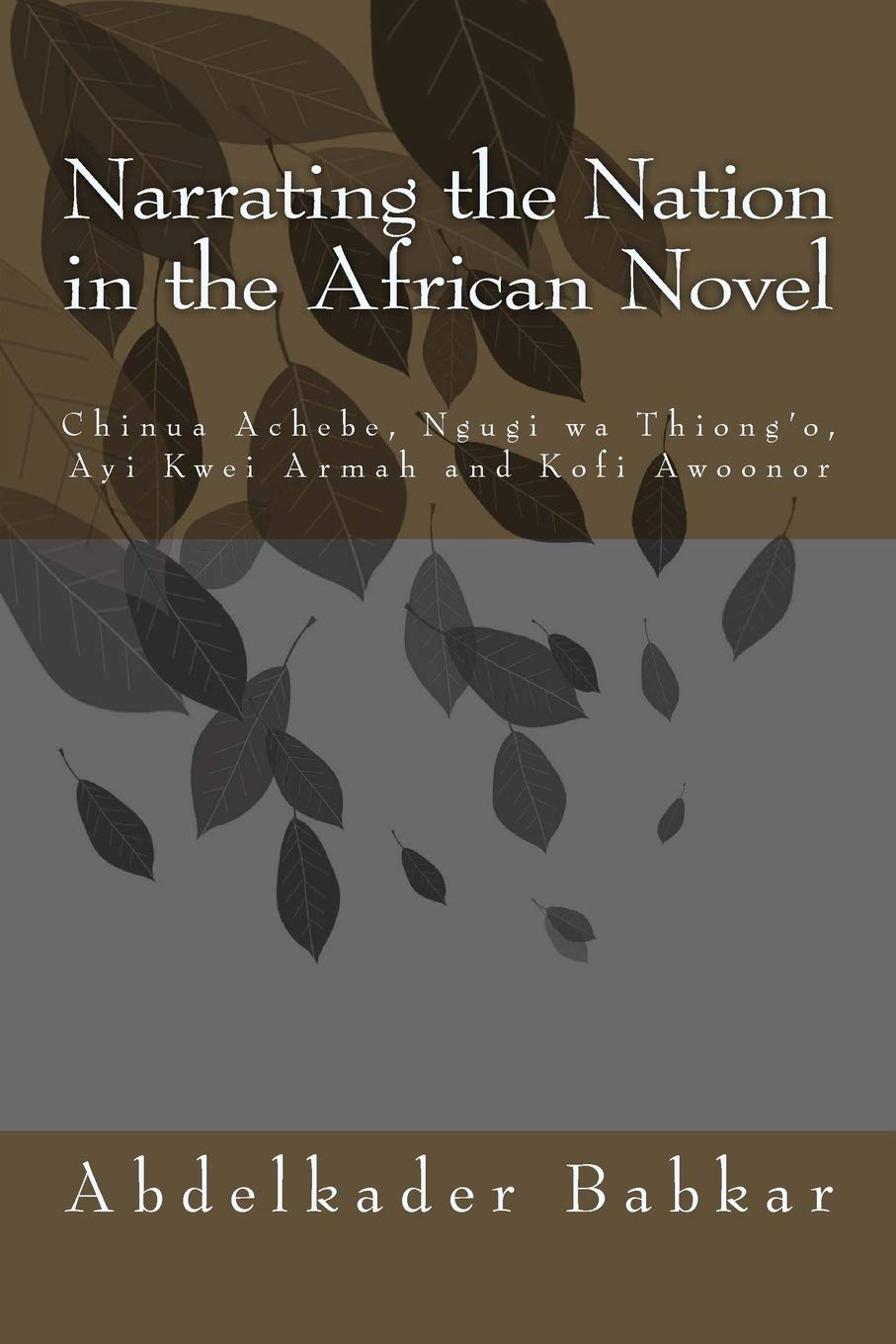
Narrating the Nation in the African Novel - Critical
Narrating the Nation in the African Novel - Critical
Price subject to change. Tap below for current.
Couldn't load pickup availability
In this review of Narrating the Nation in the African Novel the reader will find a focused critical study aimed at scholars, students and thoughtful readers of African literature. Abdelkader Babkar examines how Chinua Achebe, Ngugi wa Thiong'o, Ayi Kwei Armah and Kofi Awoonor imagine nationhood and resist state practices; the single biggest reason to read this book is its sustained comparison of ideological convictions across four major novelists, which helps clarify recurring themes of postcolonial identity and political hope.
Key Features
- Comparative focus: The book draws direct comparisons among Achebe, Ngugi, Armah and Awoonor to show shared and divergent visions of nationhood, making it easier to track thematic continuities.
- Political reading: Babkar foregrounds the relationship between fiction and state practice, helping readers understand how novels contest or mirror postcolonial governance.
- Literary analysis: Close readings of narrative strategies reveal how each novelist crafts an Afrotopia or alternative sociopolitical system.
- Contextual depth: The work situates the novels within the colonial and postcolonial moment, giving historical clarity to literary choices.
- Accessible argument: The prose aims to be readable for advanced undergraduates and researchers, making complex ideological claims more approachable.
Who It's For
This book is best for literature students, academics and readers interested in postcolonial theory who want a comparative treatment of major African novelists and the question of national identity. It works well as a supplementary text in courses on African fiction, history and criticism, or for individual researchers tracing ideological patterns across authors.
Readers looking for a broad history of African nationalism or a popular general-audience narrative history should look elsewhere; this is a focused critical study centered on literary texts rather than a comprehensive political survey.
Pros & Cons
Pros
- Clear comparative framework that highlights thematic links among four influential novelists.
- Useful political readings that connect fictional representation to state practices.
- Readable analysis suitable for students and scholars seeking focused criticism.
Cons
- Concentrated scope means readers seeking a wide-ranging political history of African nationalism may find the focus narrow.
Specifications
| Title | Narrating the Nation in the African Novel |
| Author | Abdelkader Babkar |
| Featured Novelists | Chinua Achebe, Ngugi wa Thiong'o, Ayi Kwei Armah, Kofi Awoonor |
| Subject | Literature & Criticism, Nationalism in African novels |
| Approach | Comparative ideological and political reading of fiction |
| Intended audience | Students, scholars, researchers |
Our Verdict
Narrating the Nation in the African Novel is a well-argued, comparative study that will reward readers seeking literary insight into postcolonial national imaginations. Its focused examination of Achebe, Ngugi, Armah and Awoonor makes it a good value for classrooms and research libraries, though those wanting a general political history should supplement it with broader historical works.
Frequently Asked Questions
Which authors does the book examine?
The book concentrates on Chinua Achebe, Ngugi wa Thiong'o, Ayi Kwei Armah and Kofi Awoonor.
Is this suitable for undergraduate study?
Yes; the analysis is accessible enough for advanced undergraduates while still useful to graduate students and researchers.
Does it cover political history?
The book treats political context as background for literary analysis rather than offering a full history of African nationalism.
Editor's Take
A focused comparative study that examines Achebe, Ngugi, Armah and Awoonor to show how African novels imagine nationhood; recommended for students and scholars seeking literary insight into postcolonial national identities.

Recently viewed
Recently viewed products will appear here as customers browse the store.