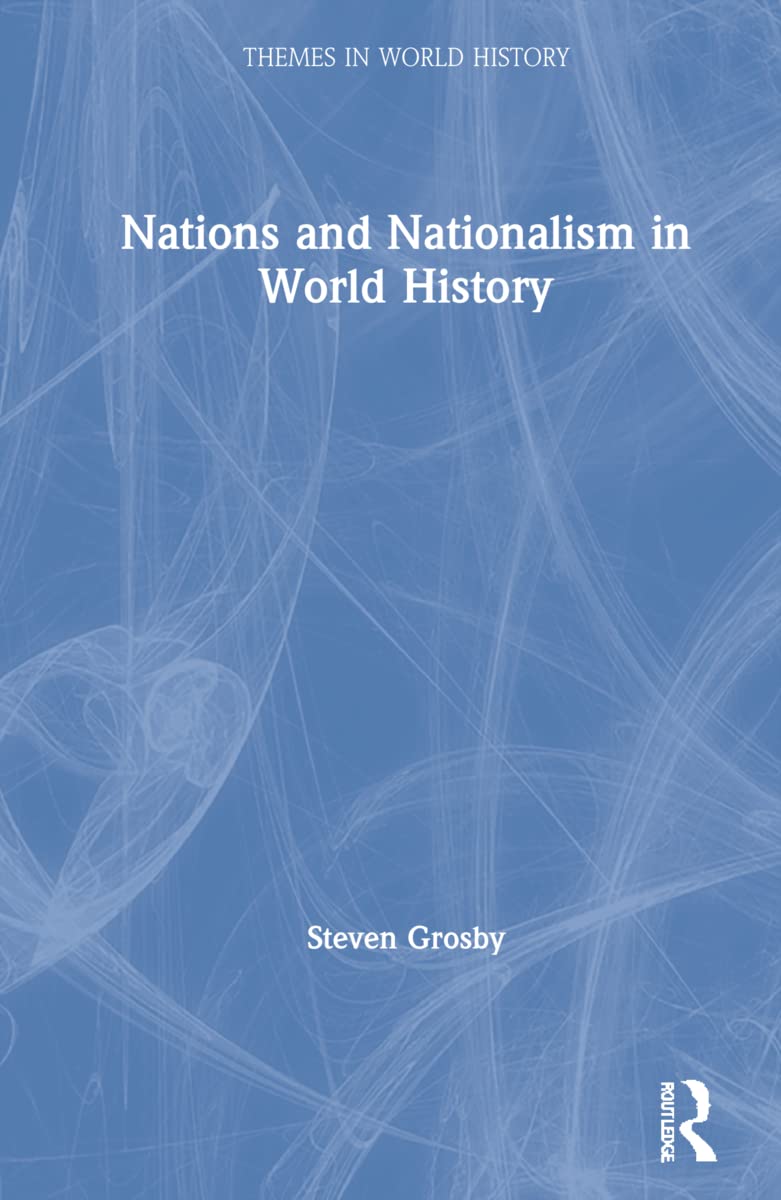
Nations and Nationalism in World History: A Comprehensive Study
Nations and Nationalism in World History: A Comprehensive Study
Price subject to change. Tap below for current.
Couldn't load pickup availability
The book Nations and Nationalism in World History by Steven Grosby offers a profound exploration of the intricate relationship between nations and the concept of nationalism throughout history. This scholarly work delves into how national identities have been shaped and reshaped over time, providing readers with a nuanced understanding of the forces that drive national movements.
One of the key themes in this book is the historical evolution of nationalism. Grosby meticulously traces the origins of national consciousness, examining how various cultures have developed their unique identities. This exploration is not just academic; it resonates with contemporary issues surrounding national identity and globalism.
In addition to historical analysis, the author discusses the impact of political ideologies on the formation of nations. By analyzing different political frameworks, Grosby illustrates how ideologies have influenced national movements and the quest for sovereignty. This aspect of the book is particularly relevant for those interested in political science and history.
The narrative is enriched with case studies that highlight the diversity of national experiences. From the rise of nation-states in Europe to the struggles for independence in colonized regions, the book provides a comprehensive overview of how nationalism manifests in various contexts. These case studies serve as powerful examples of the book's central arguments.
Moreover, Grosby addresses the challenges of globalization and its effects on national identities. In an increasingly interconnected world, the tension between global and national identities is more pronounced than ever. This discussion is crucial for understanding the current geopolitical landscape and the resurgence of nationalist sentiments in various countries.
The writing style is accessible yet scholarly, making it suitable for both academic audiences and general readers interested in history. The author's ability to weave complex ideas into engaging narratives is commendable, ensuring that readers remain captivated throughout the book.
In conclusion, Nations and Nationalism in World History is an essential read for anyone looking to deepen their understanding of how nations are formed and the role of nationalism in shaping world history. Steven Grosby's insightful analysis and thorough research make this book a valuable addition to the library of historians, political scientists, and anyone interested in the dynamics of national identity.
Share