

Natural Gas Engineering and Safety Challenges - Downstream
Natural Gas Engineering and Safety Challenges - Downstream
Price subject to change. Tap below for current.
Couldn't load pickup availability
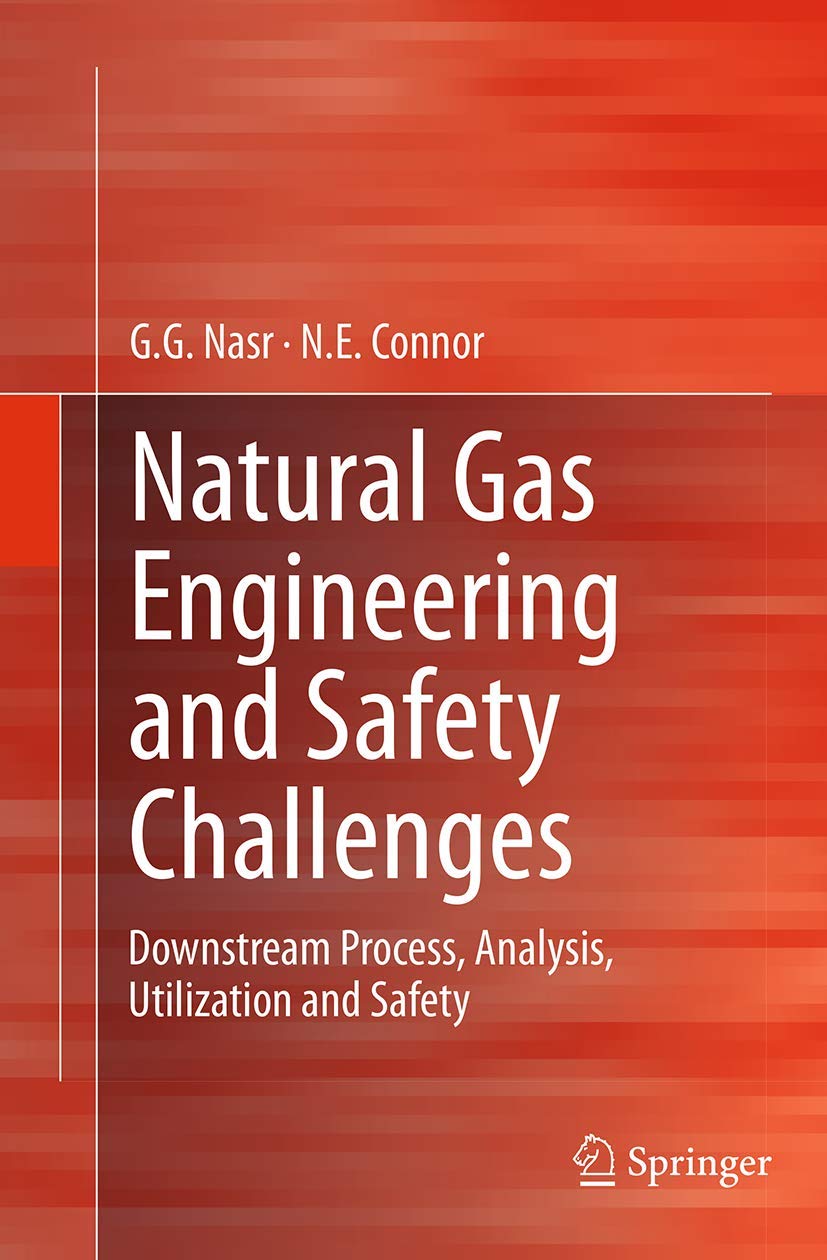
In this review of Natural Gas Engineering and Safety Challenges: Downstream Process, Analysis, Utilization and Safety, the book is presented as a detailed reference for practicing engineers and advanced students working with downstream natural gas systems. The single biggest reason to buy is its comprehensive coverage of gas processing, pipeline design and the safety challenges of fire and explosion, which together make it a practical desktop resource for understanding both technical and management aspects of downstream natural gas operations.
Key Features
- Downstream process coverage: The book explains the principles of gas processing and how those processes apply across transmission and distribution networks, helping readers connect theory to field practice.
- Flow and network analysis: Detailed treatment of gas flow and network analysis offers engineers methods to evaluate pipeline performance and operational constraints.
- Instrumentation and measurement: Coverage of instrumentation and measurement systems clarifies how to obtain reliable data for control, custody transfer and safety monitoring.
- Safety and failure analysis: Extensive discussion of pipeline failures and safety challenges, including fire and explosion scenarios, supports risk assessment and mitigation planning.
- Business and management context: The book includes material on business and management aspects of natural gas, useful for project and operations managers making decisions beyond pure engineering.
Who It's For
This book is best suited for practising engineers from multiple disciplines, including project managers, planning and design engineers, and operations staff who need a technical reference with safety guidance for downstream natural gas systems. It is also appropriate for upper-level undergraduates or graduate students seeking an applied treatment that links theory, instrumentation and management.
Those who should look elsewhere include readers seeking an introductory primer with minimal technical depth or a short handbook of rules of thumb; this volume is more comprehensive and academic in scope than a quick field pocket guide.
Pros & Cons
Pros
- Comprehensive coverage of downstream gas processes and network analysis useful for design and operational decision making.
- Practical focus on instrumentation and measurement systems that supports accurate monitoring and control.
- Detailed sections on pipeline failures and safety challenges that aid in realistic hazard assessment and mitigation planning.
Cons
- The level of detail and breadth makes it more demanding for casual readers or those seeking a short quick-reference format.
Specifications
| Title | Natural Gas Engineering and Safety Challenges: Downstream Process, Analysis, Utilization and Safety |
| Authors | G.G. G. Nasr, N.E. Connor |
| Primary topics | Gas processing, transmission, distribution, flow and network analysis |
| Safety focus | Pipeline failures, fire and explosion risks in downstream systems |
| Additional coverage | Instrumentation, measurement systems, utilization, business and management aspects |
Our Verdict
For engineers and advanced students who need a single, detailed reference on downstream natural gas engineering and safety, this book represents strong value. Its combined emphasis on process design, instrumentation and realistic safety analysis makes it particularly useful for those responsible for planning, operations and risk management in gas projects.
Frequently Asked Questions
Does this book cover pipeline failure and safety analysis?
Yes. It features extensive coverage of pipeline failures and safety challenges, including fire and explosion scenarios in downstream systems.
Is the content suitable for operations managers?
Yes. The book includes business and management aspects alongside technical material, making it relevant for project and operations managers.
Is this a beginner's guide?
No. The book is comprehensive and technical, so beginners seeking a brief primer should consider more introductory texts.
Editor's Take
A detailed, practical reference for practising engineers and advanced students, offering comprehensive downstream gas processing, instrumentation and safety analysis useful for design, operations and risk management.

Recently viewed
Recently viewed products will appear here as customers browse the store.