

Naval Leadership in the Atlantic World: The Age of Reform
Naval Leadership in the Atlantic World: The Age of Reform
Price subject to change. Tap below for current.
Couldn't load pickup availability
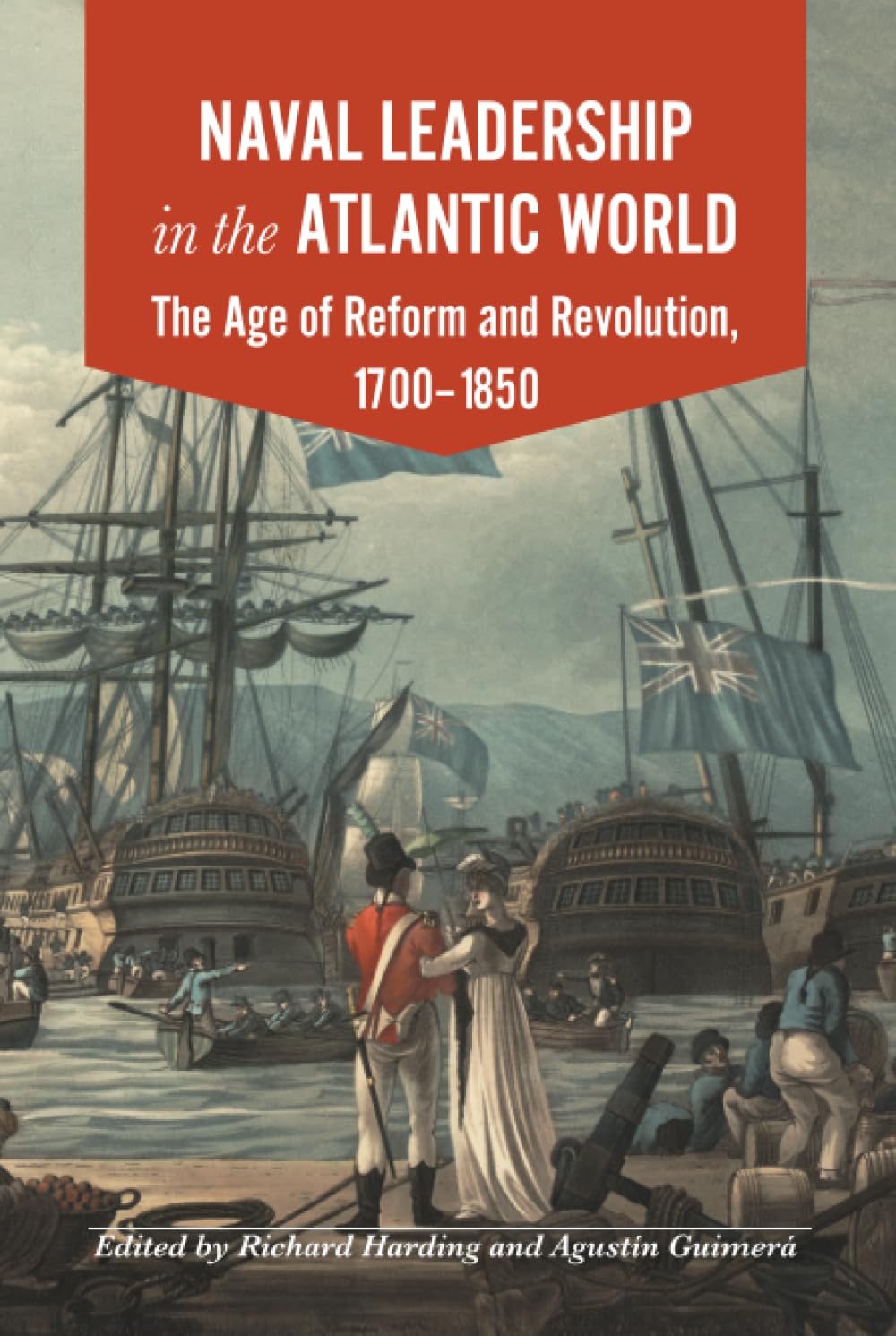
Our review of Naval Leadership in the Atlantic World assesses a focused academic study aimed at readers who want a deeper understanding of naval command during a period of intense change. The book examines leadership as a social and historical phenomenon across Europe from 1700 to 1850, and the single biggest reason to read it is its integration of political, economic and cultural context with detailed discussion of how naval leaders were understood and contested. This review highlights why the book is valuable for historians, military scholars and leadership students seeking rigorous, contextual analysis.
Key Features
- Historical scope: Covers the critical period 1700 to 1850 to show how long-term political and cultural shifts shaped naval leadership across the Atlantic world.
- Comparative perspective: Brings together British, French and Spanish viewpoints to illuminate differing social models of command and leadership practice.
- Leadership as phenomenon: Treats naval leadership not just as biography but as a social category, clarifying assumptions and competing visions of command.
- Contextual integration: Links political, economic and cultural changes to leadership development, helping readers see how institutions and ideas evolved together.
- Collaborative scholarship: Represents a multi-author effort that synthesizes regional expertise rather than a single-nation narrative, widening the analytic lens.
- Readable for specialists: Written to appeal to academic readers while remaining accessible to informed general readers interested in military and leadership history.
Who It's For
This is primarily for historians of naval warfare, graduate students studying military institutions, and readers in leadership studies who want a historically grounded account of command. The book is especially useful for anyone researching how social assumptions and institutional change interacted to reshape authority at sea.
It is less suitable for casual readers seeking battle-focused narrative or richly illustrated popular histories. Those wanting a concise handbook of leadership techniques rather than contextual historical analysis should look elsewhere.
Pros & Cons
Pros
- Thorough integration of political and cultural context gives a clearer picture of why leadership models changed over time.
- Comparative approach across British, French and Spanish navies broadens perspective beyond a single national narrative.
- Focus on leadership as a phenomenon brings fresh analytical depth to naval history and leadership studies.
Cons
- Scholarly focus may limit appeal for readers seeking action-oriented or popular maritime narratives.
Specifications
| Title | Naval Leadership in the Atlantic World: The Age of Reform and Revolution, 1700-1850 |
| Authors / Editors | Richard Harding, Agustin Guimera |
| Geographic focus | British, French and Spanish Atlantic contexts |
| Temporal scope | 1700-1850 |
| Primary themes | Naval leadership, social characteristics, institutional change |
| Intended audience | Historians, leadership scholars, advanced students |
Our Verdict
Naval Leadership in the Atlantic World is a strong, context-rich study for readers who want to understand leadership as a shifting social and institutional construct during 1700-1850. Its comparative and collaborative framing makes it a good value for scholars seeking rigorous analysis rather than a popular narrative, and it fills a gap by treating leadership itself as the central subject.
Frequently Asked Questions
Does this book cover specific naval battles?
It focuses on leadership and institutional change rather than detailed battle narratives, so readers should not expect comprehensive battle accounts.
Which navies are compared?
The study brings together British, French and Spanish perspectives to show differing models of leadership across the Atlantic world.
Is this suitable for undergraduate courses?
Advanced undergraduates in history or leadership studies may find it useful, but the book is primarily aimed at graduate-level readers and specialists.
Editor's Take
A rigorous, comparative study that treats naval leadership from 1700 to 1850 as a social and institutional phenomenon; ideal for historians and leadership scholars seeking contextual analysis.

Recently viewed
Recently viewed products will appear here as customers browse the store.