

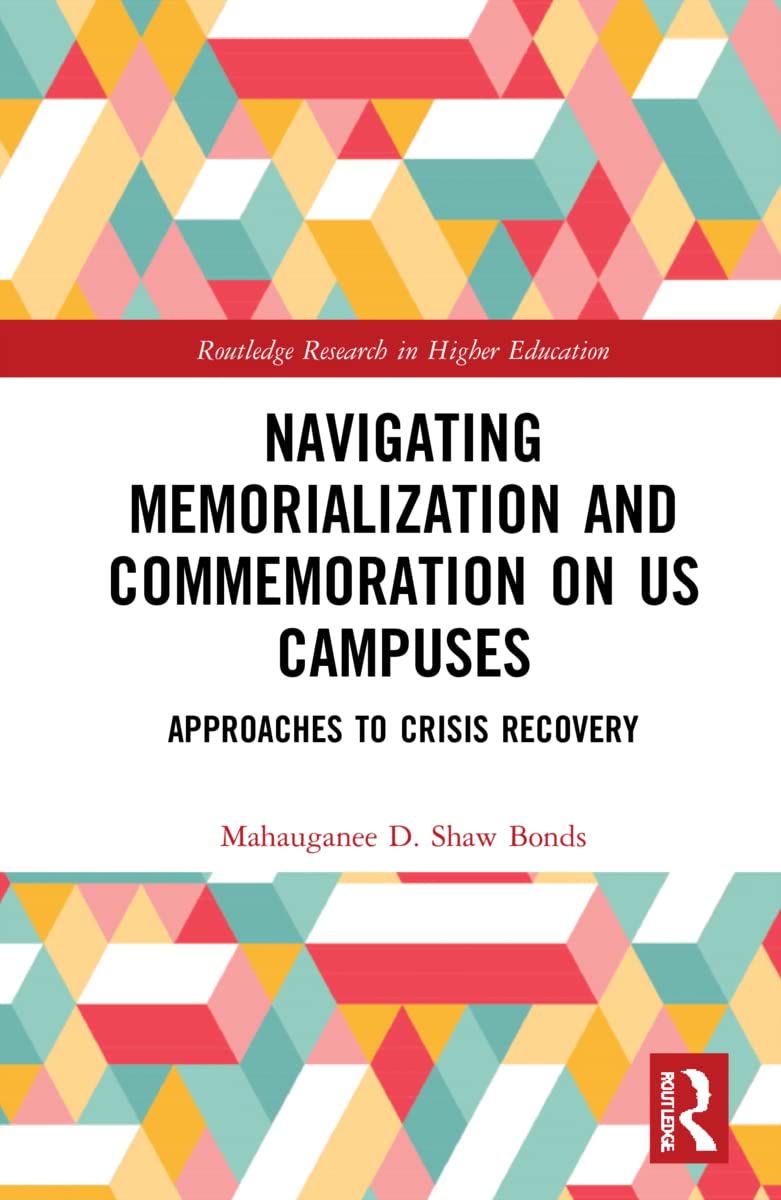
Navigating Memorialization and Commemoration on U.S. Campuses
Navigating Memorialization and Commemoration on U.S. Campuses
Price subject to change. Tap below for current.
Couldn't load pickup availability
In this review of Navigating Memorialization and Commemoration on U.S. Campuses, the reviewer finds a thoughtful, research-driven guide for institutions grappling with campus tragedy. Aimed at higher education leaders, campus planners, and student affairs professionals, the book's single biggest reason to buy is its blend of qualitative evidence and conceptual framing that treats memorialization as a process of recovery rather than a one-off solution. Readers will find usable examples and voices from students, faculty, community members, and loved ones of the memorialized.
Key Features
- Qualitative grounding: The book uses rich qualitative data to illuminate how individuals and groups experience memorials, helping readers understand lived reactions rather than abstract theory.
- Theoretical frameworks: It pairs empirical examples with conceptual models so institutions can design commemoration strategies grounded in scholarly reasoning.
- Profiles of campus memorials: Detailed profiles of existing U.S. campus memorials offer concrete precedents and lessons for planners and decision makers.
- Multiple perspectives: Voices from students, faculty, community members, and loved ones provide a rounded view of memorial impact and community needs.
- Institutional guidance: The text outlines how long-term institutional decisions and strategy can navigate the politics of memorialization to support recovery.
- Focus on performative function: Emphasizing memorials as performative, the book highlights rituals and gatherings as integral to healing and remembrance.
Who It's For
This book is primarily for higher education administrators, campus planners, student affairs professionals, and faculty who must make or advise decisions about physical memorials and commemoration after crisis events. Researchers in higher education and scholars of memory studies will also find the qualitative data and frameworks valuable for teaching and further study.
Those seeking a how-to handbook on fabricating monuments, or a brief quick-reference checklist for memorial construction, should look elsewhere; the text focuses on process, politics, and recovery rather than material specifications or construction engineering.
Pros & Cons
Pros
- Grounded in qualitative evidence that gives practical insight into community responses and needs.
- Combines theoretical frameworks with real campus examples to inform institutional strategy.
- Includes diverse perspectives from students, faculty, community members, and loved ones to broaden understanding.
Cons
- Not a technical manual for monument construction, so readers seeking practical building specs may need supplemental resources.
Specifications
| Title | Navigating Memorialization and Commemoration on U.S. Campuses |
| Series | Routledge Research in Higher Education |
| Author | Mahauganee D. Shaw Bonds |
| Scope | Profiles of campus memorials and qualitative data on commemoration |
| Focus | Institutional decision making and recovery through memorialization |
| Geographic emphasis | United States campuses |
Our Verdict
For administrators and scholars who must navigate the complexities of campus remembrance, this book is a thoughtful, well-documented resource that prioritizes recovery and community voices. Its value lies in translating qualitative insight and theory into institutionally relevant approaches, making it a strong choice for those shaping long-term commemoration policy and practice.
Frequently Asked Questions
Does this book include real campus examples?
Yes. It profiles existing campus memorials in the United States and draws lessons from those cases.
Is it a construction guide for memorials?
No. The book focuses on the process, politics, and performative functions of memorialization rather than technical building specifications.
Who contributed perspectives in the book?
The text includes insights from students, faculty, community members, and loved ones of those memorialized to provide multiple viewpoints.
Editor's Take
A thoughtful, research-driven guide for administrators and scholars, this book translates qualitative evidence and theory into institutional approaches for memorialization and recovery.

Recently viewed
Recently viewed products will appear here as customers browse the store.