

Neural Networks Theory - Comprehensive Soviet and Russian Research
Neural Networks Theory - Comprehensive Soviet and Russian Research
Price subject to change. Tap below for current.
Couldn't load pickup availability
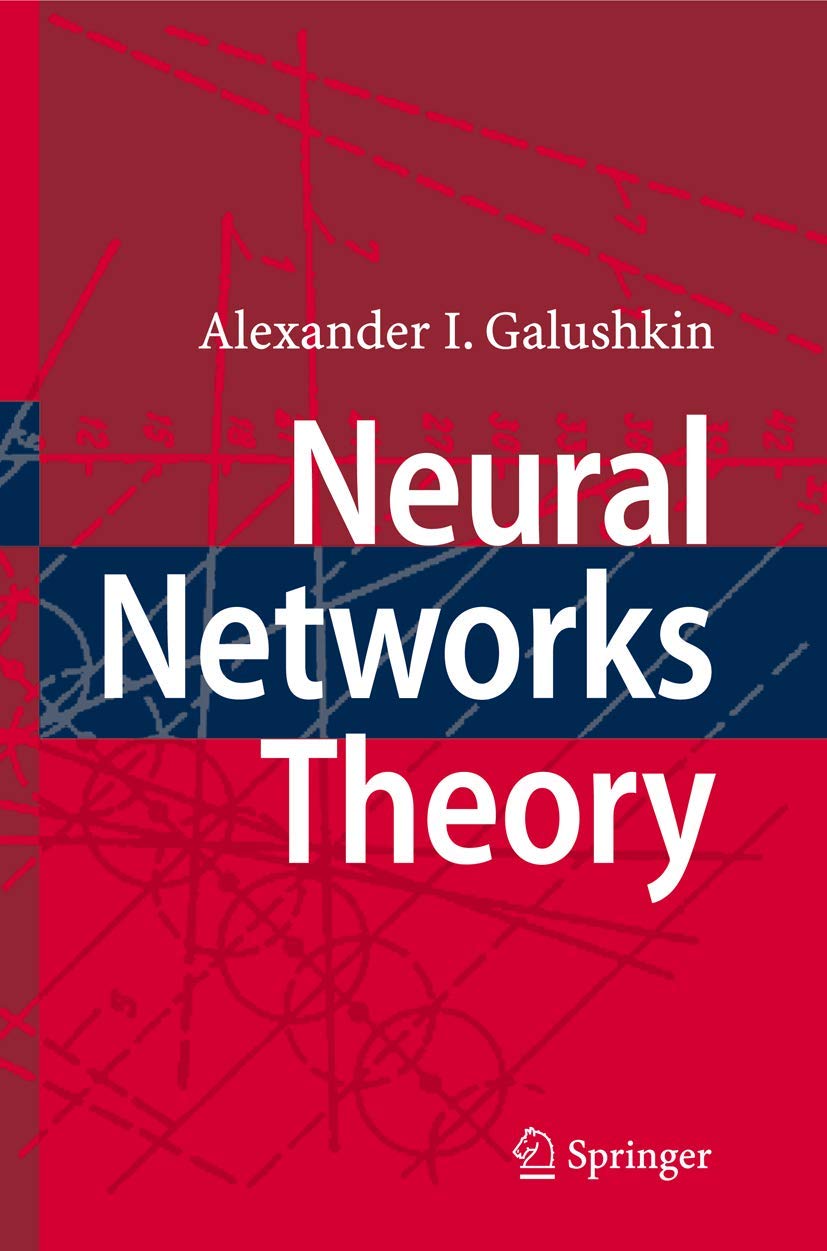
In this review of Neural Networks Theory the book stands out as a scholarly compendium aimed at researchers and advanced practitioners who need historical depth and rigorous methods. The volume collects more than 40 years of Soviet and Russian work and presents a systematized methodology for neural network synthesis, making it the single best reference for readers looking to understand classical multilayer network design and optimization criteria. For those seeking practical code tutorials it is dense and theoretical, but for methodology and original approaches it is indispensable.
Key Features
- Historical breadth: An organized record of over 40 years of Soviet and Russian neural network research provides context and continuity for methods rarely available in other texts.
- Systematized methodology: The monograph presents a coherent approach to the synthesis of neural networks that can guide the design of models under different training regimes.
- Multiple training regimes: Detailed coverage includes teaching, self-teaching (clusterization), and supervised training with limited teacher qualification, helping practitioners choose appropriate regimes for varied data scenarios.
- Optimization criteria: Presents methods of multilayer network synthesis for optimization goals such as minimum average risk and variations with constraints, useful for theoretical model selection.
- Research resource: Acts as a primary reference for those researching the lineage of ideas in neural networks and for practitioners who need rigorous methodological guidance.
Who It's For
Neural Networks Theory is best for graduate students, researchers, and engineers with a solid mathematical background who want a deep, historically grounded treatment of neural network synthesis and optimization. The book is particularly valuable to those studying algorithmic design and theoretical criteria rather than hands-on implementation.
Readers seeking step-by-step coding tutorials, modern deep learning frameworks, or applied case studies with extensive experimental results should look elsewhere; this volume emphasizes rigorous methodology and theoretical foundations over software-oriented examples.
Pros & Cons
Pros
- Comprehensive consolidation of decades of research that is rarely available in a single source.
- Clear presentation of different training regimes that helps clarify when each approach is appropriate.
- Focus on explicit optimization criteria supports principled model synthesis and theoretical comparisons.
- Valuable reference for researchers tracing the development of neural network ideas.
Cons
- The book is theory-heavy and contains minimal practical coding guidance or modern framework examples.
- Readers without a strong mathematical foundation may find the material dense and challenging to apply directly.
Specifications
| Title | Neural Networks Theory |
| Author | Alexander I. Galushkin |
| Scope | More than 40 years of Soviet and Russian research |
| Content focus | Systematized methodology of neural networks synthesis |
| Training regimes covered | Teaching, self-teaching (clusterization), supervised with limited qualification |
| Optimization topics | Minimum average risk and constrained component limits |
Our Verdict
Neural Networks Theory is a high-value, research-oriented monograph for those who need a rigorous, historical, and methodological account of neural network synthesis. It is recommended for academics and experienced practitioners who want principled approaches to optimization and training regimes, but not for novices seeking implementation tutorials.
Frequently Asked Questions
Does this book include practical code examples?
No. The volume emphasizes theoretical methodology and historical research rather than hands-on coding or modern framework tutorials.
What training methods are described?
The book covers multiple regimes including teaching, self-teaching (clusterization), and supervised teaching with finite teacher qualification.
Who benefits most from this book?
Graduate students, researchers, and experienced engineers interested in theoretical synthesis methods and optimization criteria will gain the most.
Editor's Take
Neural Networks Theory is a rigorous, research-focused monograph that consolidates over 40 years of Soviet and Russian work on neural network synthesis; recommended for researchers and advanced practitioners seeking methodological depth rather than coding tutorials.

Recently viewed
Recently viewed products will appear here as customers browse the store.