

Neurotherapy and Neurofeedback - Practical Guide for Clinicians
Neurotherapy and Neurofeedback - Practical Guide for Clinicians
Price subject to change. Tap below for current.
Couldn't load pickup availability
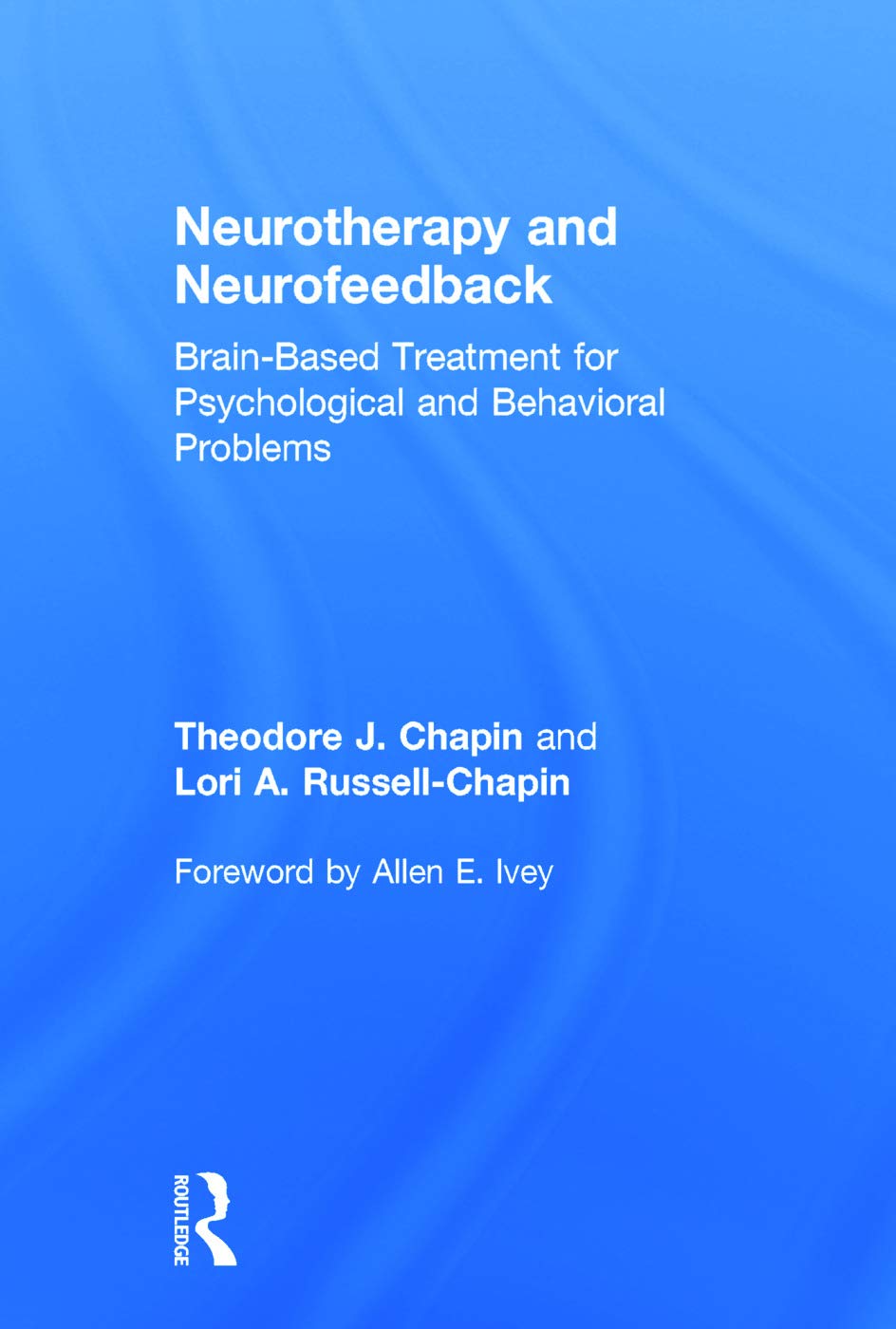
In this review of Neurotherapy and Neurofeedback, the book is presented as a practical, research-informed guide for counselors, clinicians, and advanced students who want a solid introduction to brain-based interventions. The authors, Lori A. Russell-Chapin and Theodore J. Chapin, focus on how the brain can adapt through learning and targeted exercises, and the single biggest reason to consider this title is its clear explanation of how neurofeedback teaches the brain to self-regulate. The text is grounded in current neurobiology and neuropsychology, making it useful for readers seeking a sensible bridge between research and clinical practice.
Key Features
- Evidence-based framing: The book links contemporary neurobiology and neuropsychology research to clinical applications so readers can understand why interventions may work.
- Practical focus: Clinicians receive guidance on how neurofeedback can be used to improve self-regulation in clients, making the theory applicable to practice.
- Clear explanations: Complex concepts about brain plasticity and dysregulation are presented in language that supports comprehension and classroom use.
- Referencing and resources: Well-researched references are provided, allowing readers to follow up on primary studies and further reading.
- Audience aware: The authors write with counselors and clinicians in mind, helping professionals translate neuroscience into interventions.
Who It's For
The book is best suited for licensed counselors, clinical psychologists, advanced trainees, and other mental health professionals who want an approachable, research-grounded introduction to neurofeedback and neurotherapy. It is also useful for graduate students studying counseling or clinical psychology who need a concise primer on brain plasticity and clinical applications.
Readers seeking a step-by-step technical manual on neurofeedback equipment setup or a highly detailed treatment protocol may need supplemental resources. Those expecting a rapid-read popular overview should note the book assumes some familiarity with clinical concepts and engages with research literature.
Pros & Cons
Pros
- Informative and grounded in contemporary neurobiology, which supports clinical decision making.
- Readable language that preserves scientific accuracy while remaining accessible to clinicians and students.
- Well-researched references included so readers can pursue original studies and deepen their knowledge.
Cons
- Pacing receives mixed reactions; some readers may find sections denser and prefer a different organization for quick reference.
Specifications
| Title | Neurotherapy and Neurofeedback |
| Authors | Lori A. Russell-Chapin, Theodore J. Chapin |
| Subject area | Neurobiology, Neuropsychology, Counseling |
| Primary focus | Neurofeedback as a brain self-regulation intervention |
| Intended audience | Counselors, clinicians, advanced students |
| Style | Research-informed and practitioner-oriented |
Our Verdict
Neurotherapy and Neurofeedback is a valuable, research-grounded introduction for clinicians and advanced students who want to understand how neurofeedback can teach the brain to self-regulate. While pacing may not suit every reader, the book delivers clear explanations and references that make it a good value for professionals seeking to integrate brain-based strategies into practice.
Frequently Asked Questions
Does this book explain how neurofeedback works?
Yes; it links neurobiology and neuropsychology research to the mechanisms by which neurofeedback promotes brain self-regulation.
Is it a practical manual for equipment setup?
No; the book focuses on principles and clinical application rather than being a step-by-step technical equipment guide.
Who will benefit most from reading it?
Counselors, clinicians, and advanced students who want an approachable, evidence-based introduction to neurofeedback will benefit most.
Editor's Take
Neurotherapy and Neurofeedback is a research-grounded, practitioner-oriented introduction that helps clinicians and advanced students understand how neurofeedback teaches the brain to self-regulate; pacing may be uneven but the clear explanations and references make it good value.

Recently viewed
Recently viewed products will appear here as customers browse the store.