

New Public Management: An Introduction - Analytical
New Public Management: An Introduction - Analytical
Price subject to change. Tap below for current.
Couldn't load pickup availability
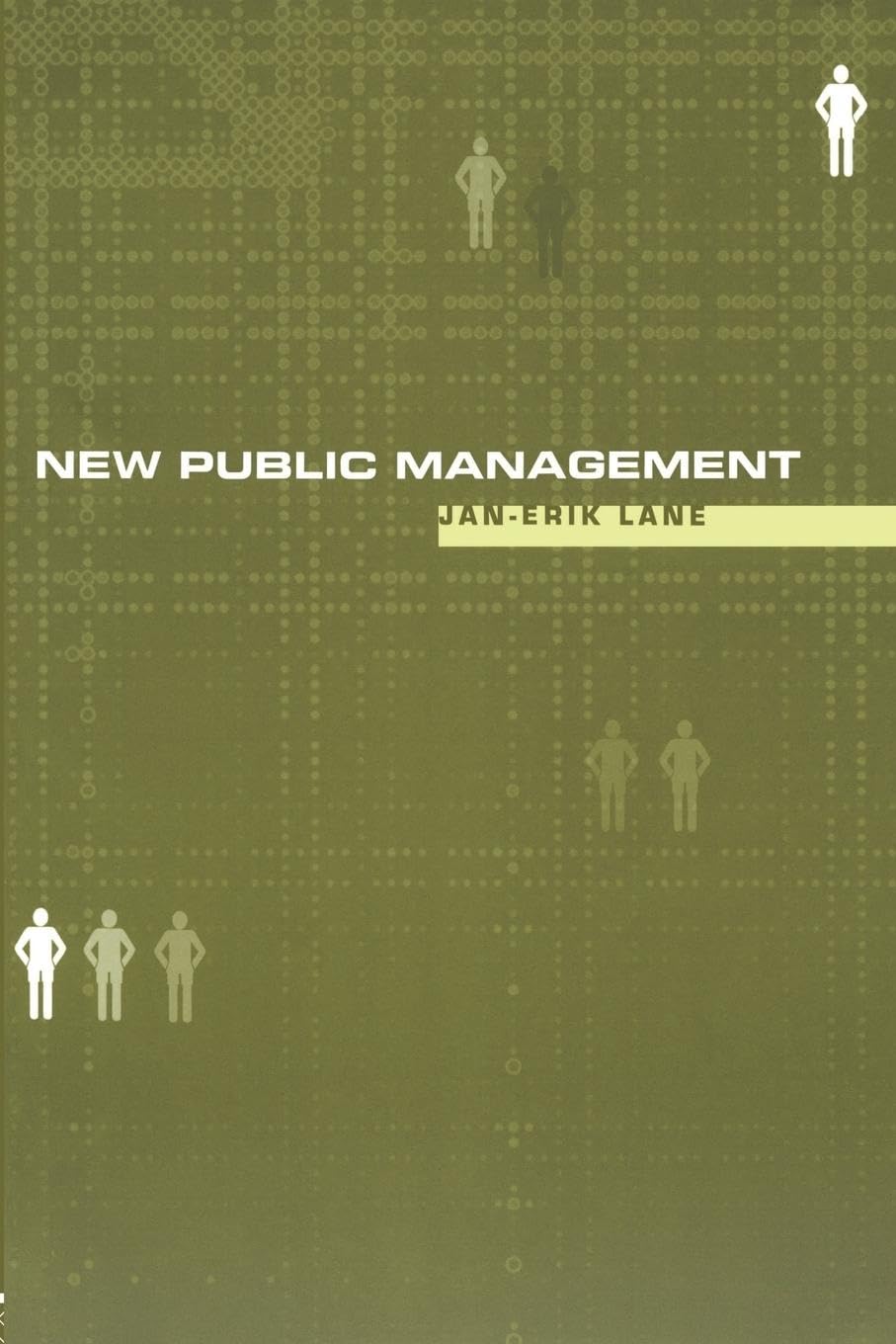
In this review of New Public Management: An Introduction the bottom line is clear: this compact book suits readers seeking an analytical, cross-disciplinary take on public sector reform. Jan-Erik Lane brings together economics, organisational theory and politics to explain the aims and mechanisms of new public management, making the book most useful to students, policy analysts and practitioners who want conceptual clarity rather than a how-to manual. The single biggest reason to buy is the book's analytical framing, which helps readers understand why reforms behave as they do rather than merely listing techniques.
Key Features
- Analytical perspective: Presents new public management using tools from economics and organisational theory to clarify underlying incentives and trade-offs.
- Interdisciplinary approach: Brings political context into the discussion so readers can see how policy, institutions and management interact.
- Concise exposition: Focuses on core concepts and explanations, useful for readers who need a compact introduction without excessive detail.
- Conceptual clarity: Emphasises cause-and-effect reasoning to help readers apply ideas to real-world reform debates.
- Suitable for study: Structured to support coursework or policy briefing preparation with clear analytical lines.
Who It's For
This book is best for undergraduate and graduate students in political science or public administration, policy analysts who need a principled framework for evaluating reform, and public managers seeking to understand the theoretical basis of performance-oriented reforms. The review voice highlights the book's role as an intellectual guide rather than a practitioner's toolkit.
Readers looking for step-by-step implementation guidance, case-study collections with operational detail, or an exhaustive literature survey should look elsewhere; this title prioritises analytical explanation over procedural prescriptions and exhaustive empirical cataloguing.
Pros & Cons
Pros
- Clear analytical framing that connects economics and management concepts to public sector reform.
- Interdisciplinary treatment that incorporates political constraints and institutional context.
- Concise format that makes the core arguments accessible for classroom use or quick briefing.
Cons
- Not a practical manual: readers seeking operational checklists or extensive case studies may find it limited.
Specifications
| Title | New Public Management: An Introduction |
| Author | Jan-Erik Lane |
| Focus | New public management from an analytical perspective |
| Disciplines | Economics, organisational theory, politics |
| Audience | Students, policy analysts, public managers |
| Style | Analytical introduction |
Our Verdict
New Public Management: An Introduction is a concise, concept-driven book that delivers strong intellectual value for students and analysts who need to understand the theory behind reform. Its focus on organisational theory and economics makes it a worthwhile buy for those who prefer explanation over instruction and want a clear framework to evaluate policy choices.
Frequently Asked Questions
Does this book explain practical reform steps?
Answer. It emphasises analytical frameworks and theory rather than step-by-step operational guidance.
Who benefits most from reading this book?
Answer. Students in political science or public administration and policy analysts will gain the most from its conceptual clarity.
Is the book interdisciplinary?
Answer. Yes; it deliberately draws on economics, organisational theory and politics to explain new public management.
Editor's Take
A concise, concept-driven introduction that uses economics and organisational theory to explain new public management; best for students and policy analysts who want analytical clarity rather than practical how-to guidance.

Recently viewed
Recently viewed products will appear here as customers browse the store.