

Niagara Falls, Volume 2 - Historical Photo Essay Daniel
Niagara Falls, Volume 2 - Historical Photo Essay Daniel
Price subject to change. Tap below for current.
Couldn't load pickup availability
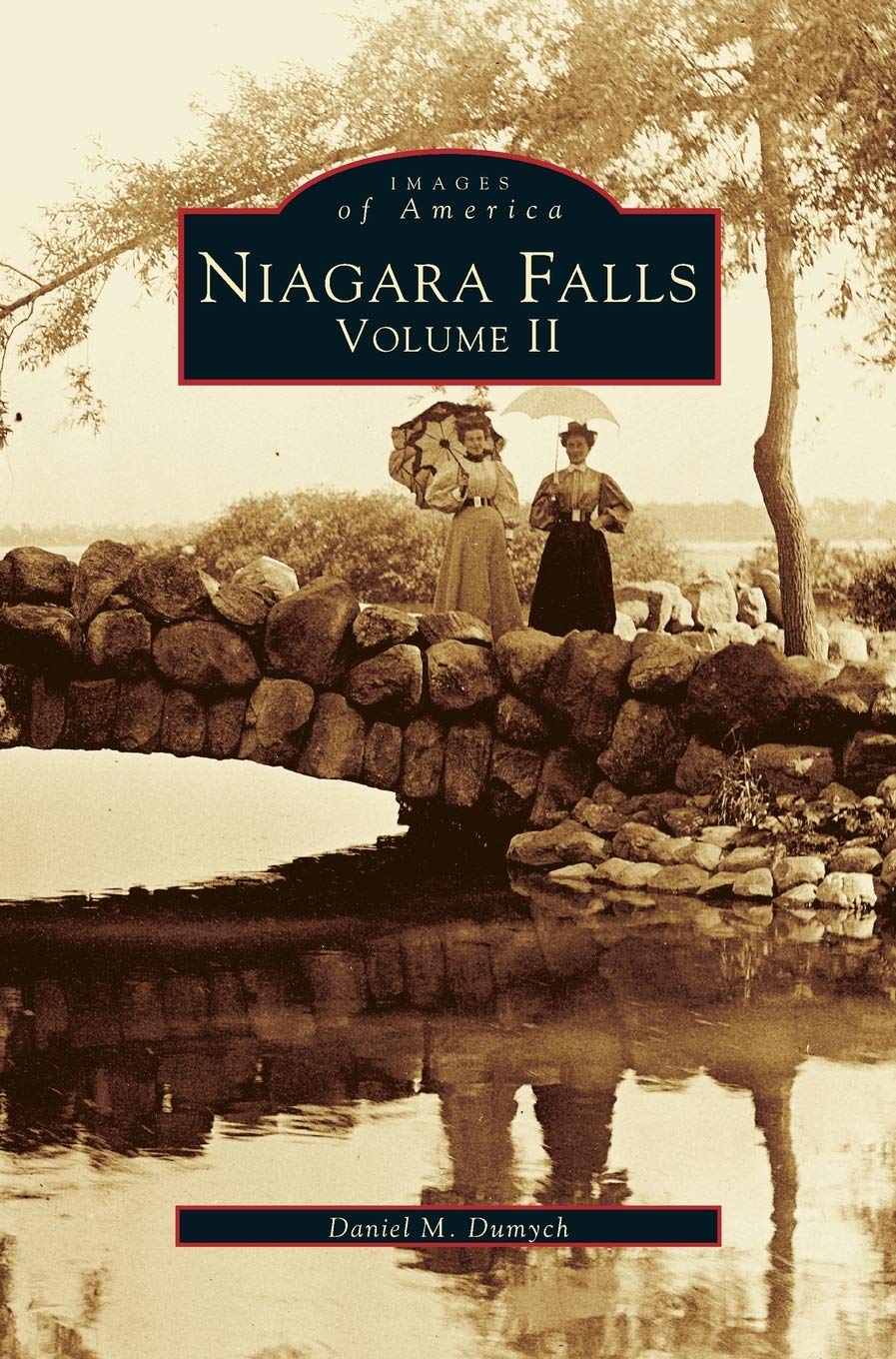
In this review of Niagara Falls, Volume 2 the author Daniel M Dumych presents a focused photographic and narrative look at the city's evolution from the mid-1800s through the late 1960s. It is best for readers who want a compact, historically grounded visual record of how a tourist town grew into an industrial center and then declined in parts during postwar urban renewal. The single biggest reason to buy is the book's concentrated archival perspective that ties the Falls, hydroelectric development, and changing urban fabric into a clear, readable account.
Key Features
- Historical range: Covers the period from the mid-1800s to the late 1960s, providing a long view of the city's transformation over more than a century.
- Industrial focus: Documents how hydroelectric power drove rapid industrial growth and shaped the city's economy and built environment.
- Postwar perspective: Examines the 1950s and 1960s paradox of new power infrastructure alongside urban renewal and decline.
- Local urban detail: Describes the loss of the Falls Street business district and the resulting patchwork of vacant lots, useful to readers interested in urban change.
- Concise narrative: Presents a tightly scoped account that makes it easy for history readers to follow social and economic shifts tied to the Falls.
Who It's For
Niagara Falls, Volume 2 is ideal for regional historians, local residents, or visitors with an interest in the industrial and social history of the Niagara Falls area. The book suits readers who appreciate photographic documentation paired with focused historical commentary rather than a sprawling, academic tome.
Readers seeking a comprehensive political or economic analysis of national power systems, or a contemporary travel guide, should look elsewhere; this volume is squarely centered on local history and photographic record up to the late 1960s rather than modern developments or technical hydroelectric engineering detail.
Pros & Cons
Pros
- Strong chronological coverage that connects tourism, industry, and urban change in one readable narrative.
- Useful archival viewpoint on the rise of hydroelectric power and its local consequences for industry and city form.
- Clear depiction of the late 1950s and 1960s urban renewal era, valuable to students of urban history.
Cons
- Not a technical manual on hydroelectric systems and limited on contemporary developments after the 1960s.
Specifications
| Title | Niagara Falls, Volume 2 |
| Author | Daniel M Dumych |
| Subject | History of Niagara Falls and local urban change |
| Coverage period | Mid-1800s to late 1960s |
| Focus areas | Tourism, hydroelectricity, industrial growth, urban renewal |
| Geographic scope | Niagara Falls city and immediate surroundings |
Our Verdict
Niagara Falls, Volume 2 is a well-focused local history that offers good value for readers who want a photographic and narrative chronicle of the city from early tourism through midcentury industry and the disruptive urban renewal era. It is recommended for local history collections and readers seeking a clear, compact account of how the Falls shaped the city's fortunes.
Frequently Asked Questions
Does this volume cover the power station developments?
The book describes the construction of an immense new power station north of the city and its impact on local industry and landscape.
What years does the book focus on?
The narrative spans from the mid-1800s through the late 1960s, with particular attention to the postwar decades.
Is this a technical history of hydroelectric engineering?
No, the focus is historical and photographic; technical engineering detail is limited in favor of social and urban context.
Editor's Take
A focused local history that combines photographic record and narrative to chronicle Niagara Falls from mid-1800s tourism through midcentury industrial growth and postwar urban renewal; recommended for regional history readers.

Recently viewed
Recently viewed products will appear here as customers browse the store.